Read More


Cloudview earns over HK$31 mln for selling eight units
26-05-2026 18:54 HKT
Hong Kong a conduit for mainland, French firms
26-05-2026 06:00 HKT
The vacancy rate for high-street shops in Central came in for a bit of analytical preoccupation in the first quarter as diverse businesses, including luxury brands, sports-goods retailers and fitness centers moved into Hong Kong's premier financial district fueled a notable drop that offset a wave of restaurant closures.
The 1.5-percentage-point drop to 7 percent stood out as the situation in other core retail areas - Causeway Bay, Tsim Sha Tsui and Mong Kok - remained unchanged or even worse, according to Cushman & Wakefield, worsened.
That was bolstered by another real estate service company, CBRE, chalking up a drop in the district that it said was the largest in the vacancy rate.
That was due to a slowing in the pace of growth in rental prices, which drove recent rental and business expansion initiatives.
Rents for high-street shop premises saw only a slight 0.6 percent increase quarter on quarter in the core district after a sharp 10-percent jump up in the final quarter of last year.
Rents in Central are still 39 percent lower than in 2019, and real estate services firm Cushman & Wakefield only projects a 2 to 4 percent growth in the first half of this year.
There have been at least seven notable rental deals in Central over the past six months, as merchants from many sectors finally saw the time as ripe for either entry into Hong Kong's retail heart or expansion.
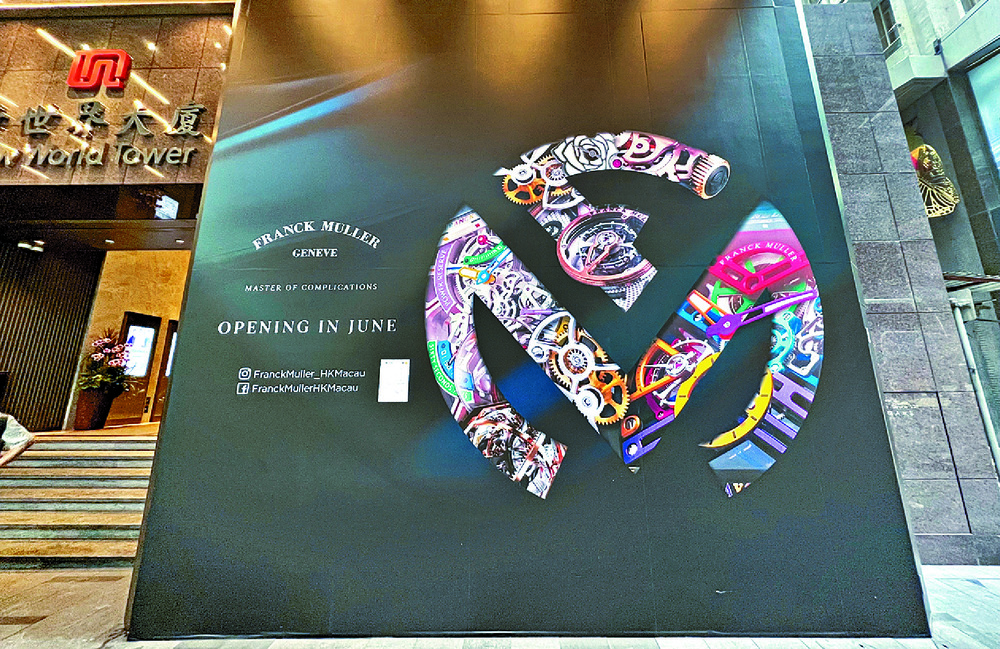
Swiss luxury watch maison Franck Muller was among those that didn't wait any longer, leasing a 1,700-square-feet store space in New World Tower as part of a HK$400,000-a-month deal. It is planning to open in June.
This was trumped, of course, by DBS, with the bank having leased a 10,000-sq-ft space in the same building for HK$1.8 million a month at the end of last year.
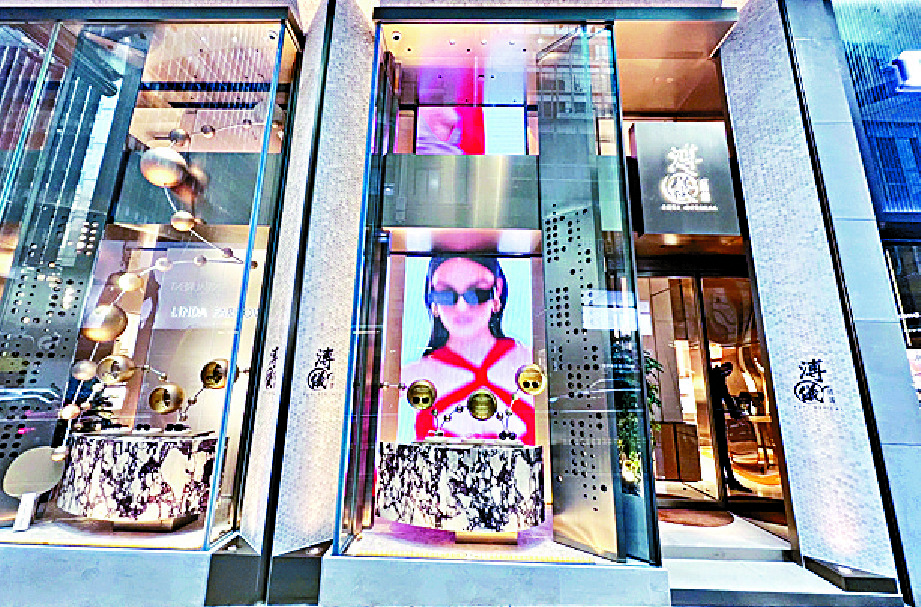
Omega's decision to end its time in Central Building helped Puyi Optical focus on expanding its presence.
And the timing was propitious as Puyi negotiated a lease deal involving more than HK$700,000 for the 2,497-sq-ft shop unit.
The average rent per square foot is about HK$280, 20 percent lower than Omega was paying before the pandemic first struck.
Elsewhere in the building, a fitness center chain, Onyx by GO24 Fitness, found the basement a good fit in November after clothing brand Hugo Boss ended its 10-year occupation.
The 19,000-sq-ft basement area came with a HK$1.9-million rental price tag.
In Pacific House on the Queen's Road, a sports brand, reportedly Nike, is said to have rented a 3,334 sq ft duplex shop unit for around HK$600,000 a month.
That must surely come as a relief for its owners as the unit had been left empty since its last tenant, Diesel, ended the contract in 2014.
The new rent was, on a psf basis, 70 percent lower than 13 years ago.
Peking Hot Pot jumped on the bandwagon of an influx by mainland restaurants by renting a 6,000 sq ft shop unit in Stanley Street for HK$350,000 a month.
This influx is happening amid a succession of closures of local food and beverage stores.
The chain caught popular public imagination by touting how cool it was to "have hot pot while listening to Peking Opera."
Peking Hot Pot is part of a wave that is bringing new experiences and partly offsetting closures by local operators. That is borne out by official data that shows the number of restaurant licenses on the rise in Central and Western in the first quarter, with 71 new approvals that were four more than cancellations.
Centaline Commercial managing director Stanley Poon Chi-ming said the leasing sector in Central is, as befits its status as Hong Kong's core business district, vibrant and has attracted watch and jewelry, large chain stores and banks since the pandemic ended.
Its cluster of tenants, he said, is becoming more diversified, with fitness centers moving into large areas and restaurants bringing new concepts to Central.