The latest report issued by the Planning Department shows that industrial buildings in Hong Kong have become the cradle for startups as many of them have been renovated or even redeveloped for non-industrial use.
The number of industrial buildings may be down 7 percent from 1,448 to 1,342 compared with 2014, according to the report on 2020 Area Assessments of Industrial Land in the Territory, but total industrial floor space remained largely the same, seeing only a slight shrinkage from 27.85 million to 27.24 million square meters.
Of the total industrial floor areas, warehouses and storage remained the largest users last year at 48.8 percent.
However, a significant portion of nearly 34 percent is used for non-industrial activities, with use as offices decreasing from 28 to 20 percent, while use as shops and data centers, research and design centers, as well as for services increased from 6 to 9 percent.
The report found that startups - defined as companies registered for no more than five years - accounted for 14.1 percent, or 10,832 units, of the 76,608 total units occupied by registered companies in the survey, while over 90 percent of them were tenants and tended to occupy small-sized units of less than 80 sq m.
Over 40 percent of the surveyed startups are involved in import or export, wholesale and retail trades businesses while some 29 percent operate other non-manufacturing businesses.
Buildings used for industrial purposes are mainly concentrated in Tsuen Wan, Kwai Chung and east Kowloon, while those for non-industrial uses are located in these three districts as well as in Cheung Sha Wan. This matched up with another piece of data that east Kowloon has surpassed Fo Tan in housing the largest number of industrial buildings, providing about 5.43 million sq m of floor space.
With the launch of the revitalization scheme for industrial buildings in 2018, cultural and creative industries have emerged as the Johnny-come-latelies in these districts.
Although they are small in scale, floor space occupied by places of entertainment, recreational, sports or culture, religious institutions, recyclable collection centers and pet-related services facilities have doubled since 2014.
Meanwhile, the research said data centers in industrial buildings accounted for about 52 percent of the total 740,000 sq m of the floor space taken up by data centers in Hong Kong.
Floor areas occupied by data centers and research and design centers have increased notably by over 85 percent and 25 percent, respectively. There are 11 industrial buildings that are wholly dedicated to use as data centers, and they are in Tsuen Wan and Kwai Chung, Eastern Kowloon, Wong Chuk Hang, Sha Tin and On Lok Tsuen.
To make better use of valuable land resources, a total of about 331.2 hectares have been rezoned from industrial to other specified uses (business) or other zonings since 2001, and they are mainly in the metro areas of east Kowloon, Cheung Sha Wan and Tsuen Wan/Kwai Chung.
Over 90 percent of the respondents indicated that they had no intention of relocating existing operations to other areas mainly because of the affordable rental cost of industrial buildings and the easy accessibility of the industrial areas.
Those who had the intention of relocating preferred to keep their operations in Hong Kong (66 percent), especially in the same area. Only a handful - 1 percent - would consider relocating to an area outside Hong Kong.
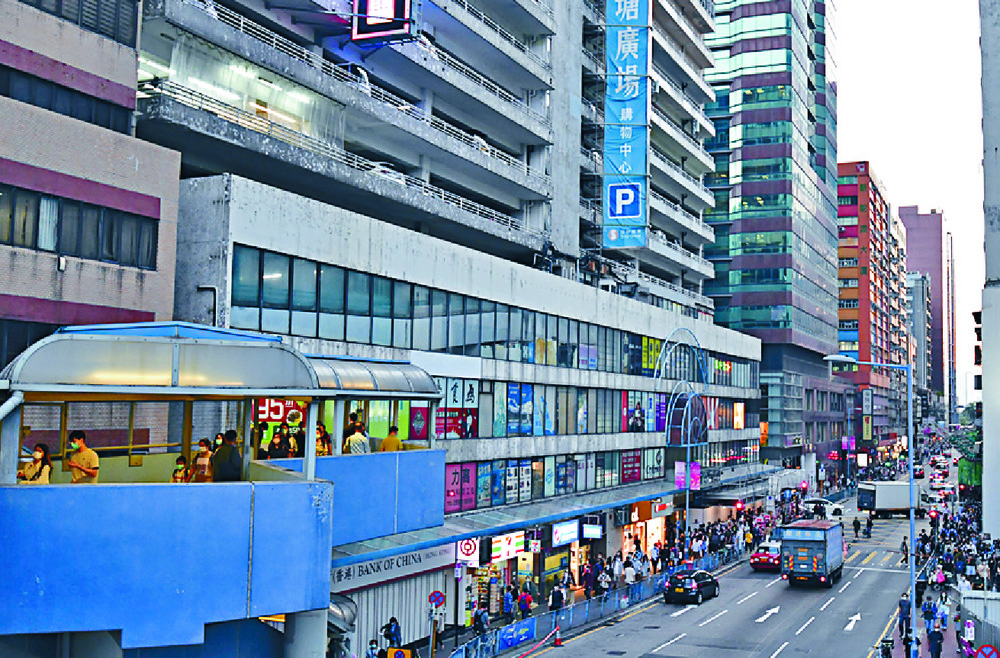
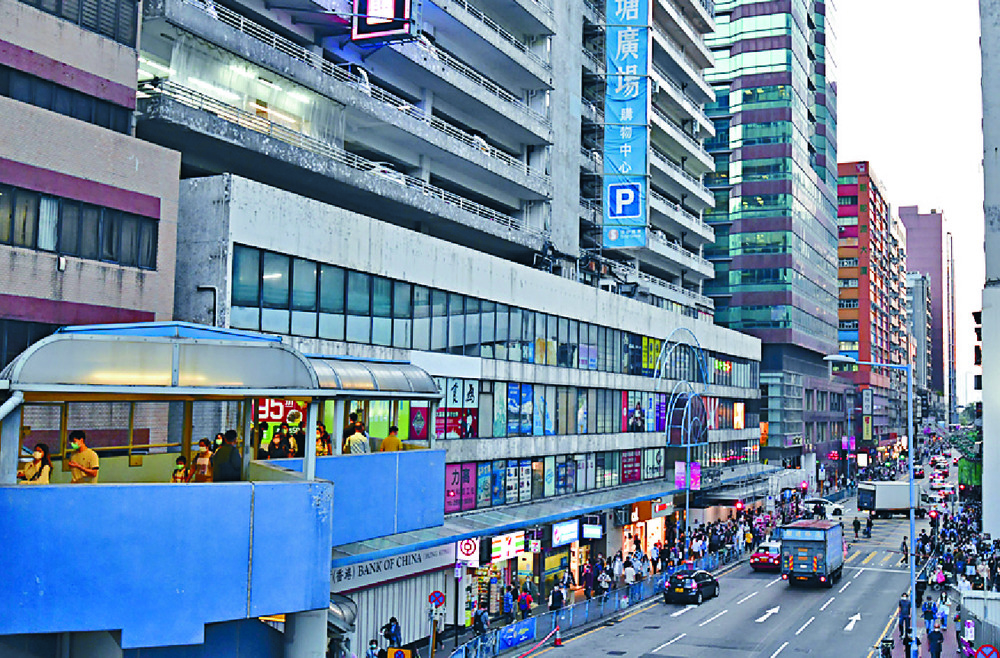
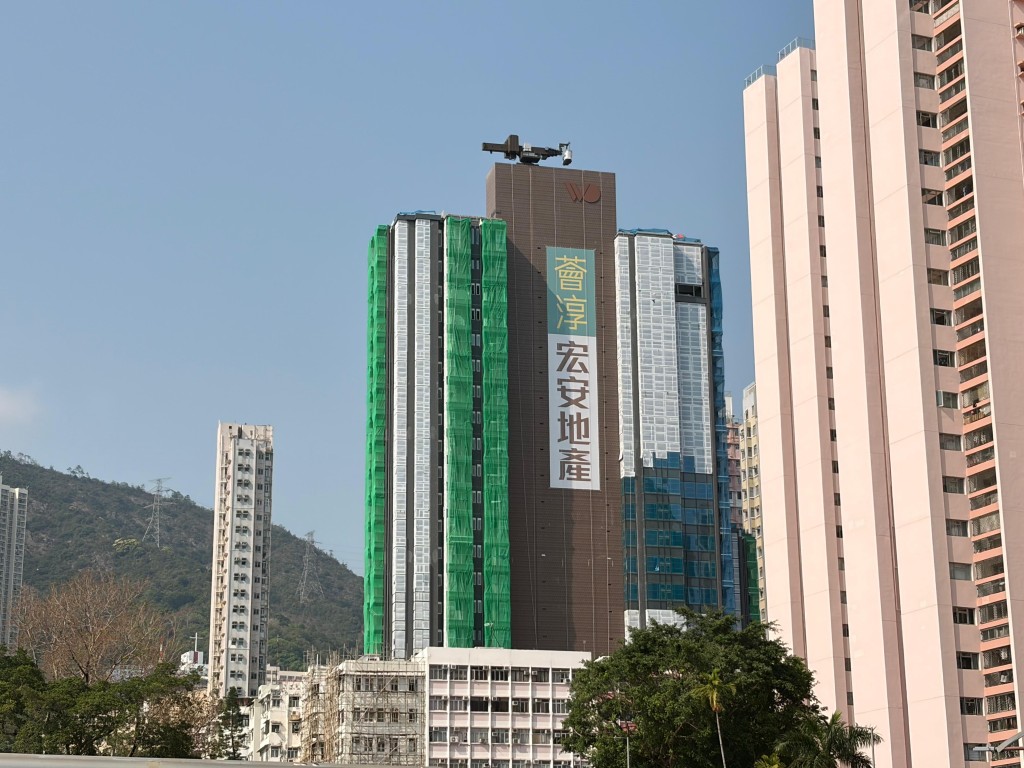
Industrial buildings such as these along Hoi Yuen Road, Kwun Tong, have become a cradle for startups. Sing Tao