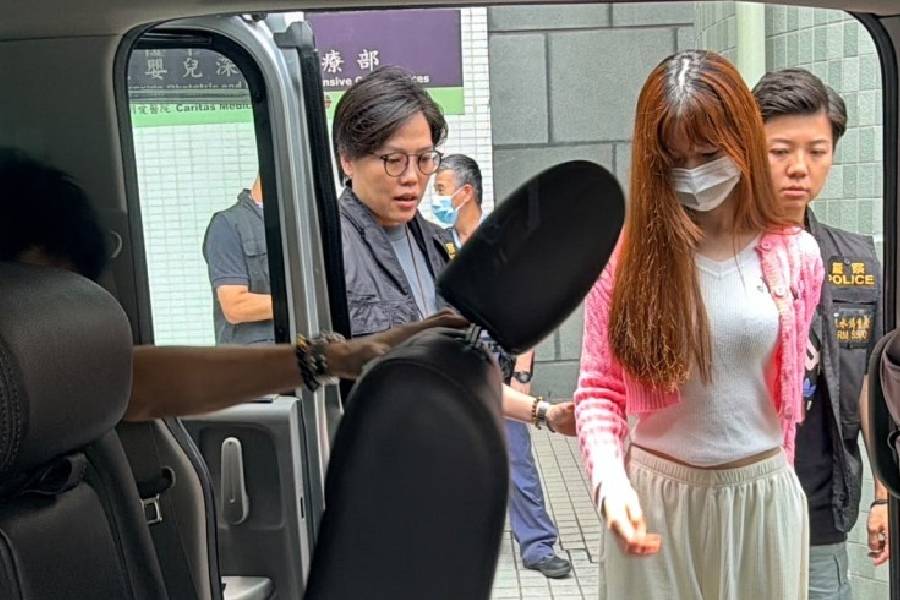
A Chinese immigrant from the mainland shared online that her landlord had unreasonably attributed many natural wear-and-tear and defects of the rented flat to her, demanding a staggering compensation of over HK$14,000 for a flat of 480 square feet.
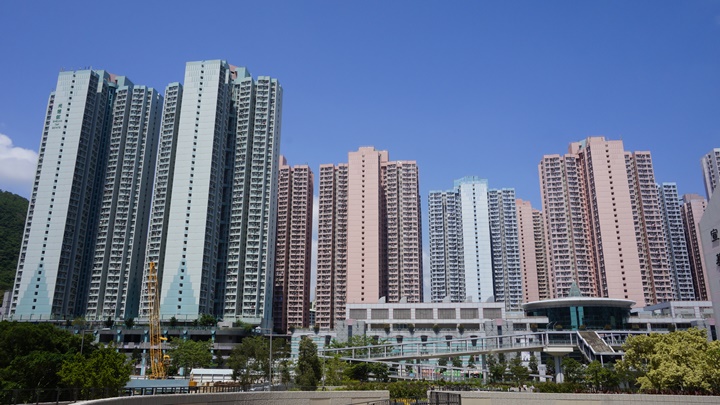
The tenant, under the pseudonym Wang, and her husband moved to Hong Kong from Shanghai a year ago through the Top Talent Pass Scheme. They rented a 480-sq-ft unit in Ma On Shan for HK$18,800 per month, with basic appliances but no furniture.
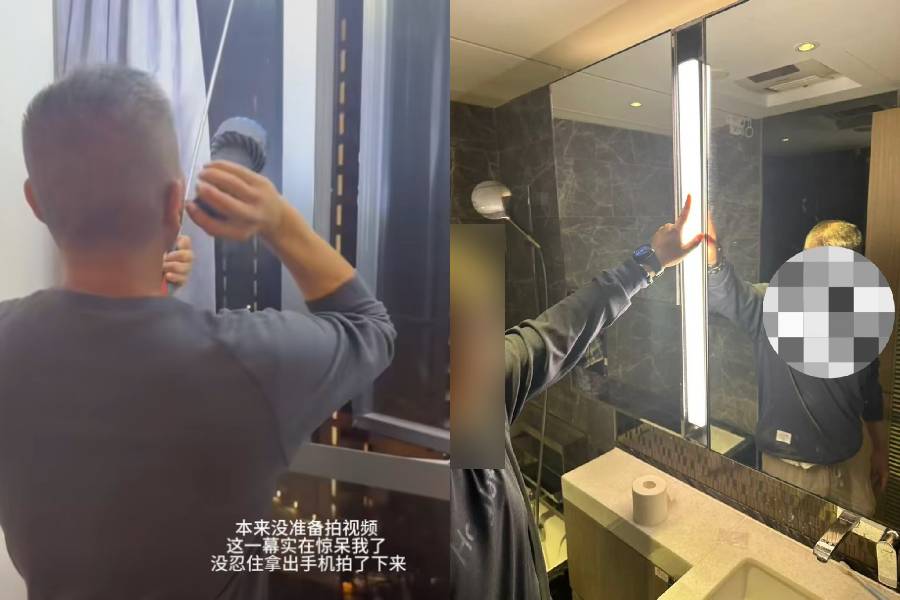
Wang recalled that on the day of the handover, the landlord took a man to the property, and the two took turns conducting a two-hour "deep inspection" of the unit.
"Every corner, wall, floor, all sockets, drains, faucets, ventilation ducts, even the traces of adhesive around the windows were not overlooked," she said. She added that the landlord tested all the lights one by one.
A video taken by Wang shows a man holding a flashlight and mirror, meticulously inspecting the window frames inside and out.
They returned the unit in mid-December.
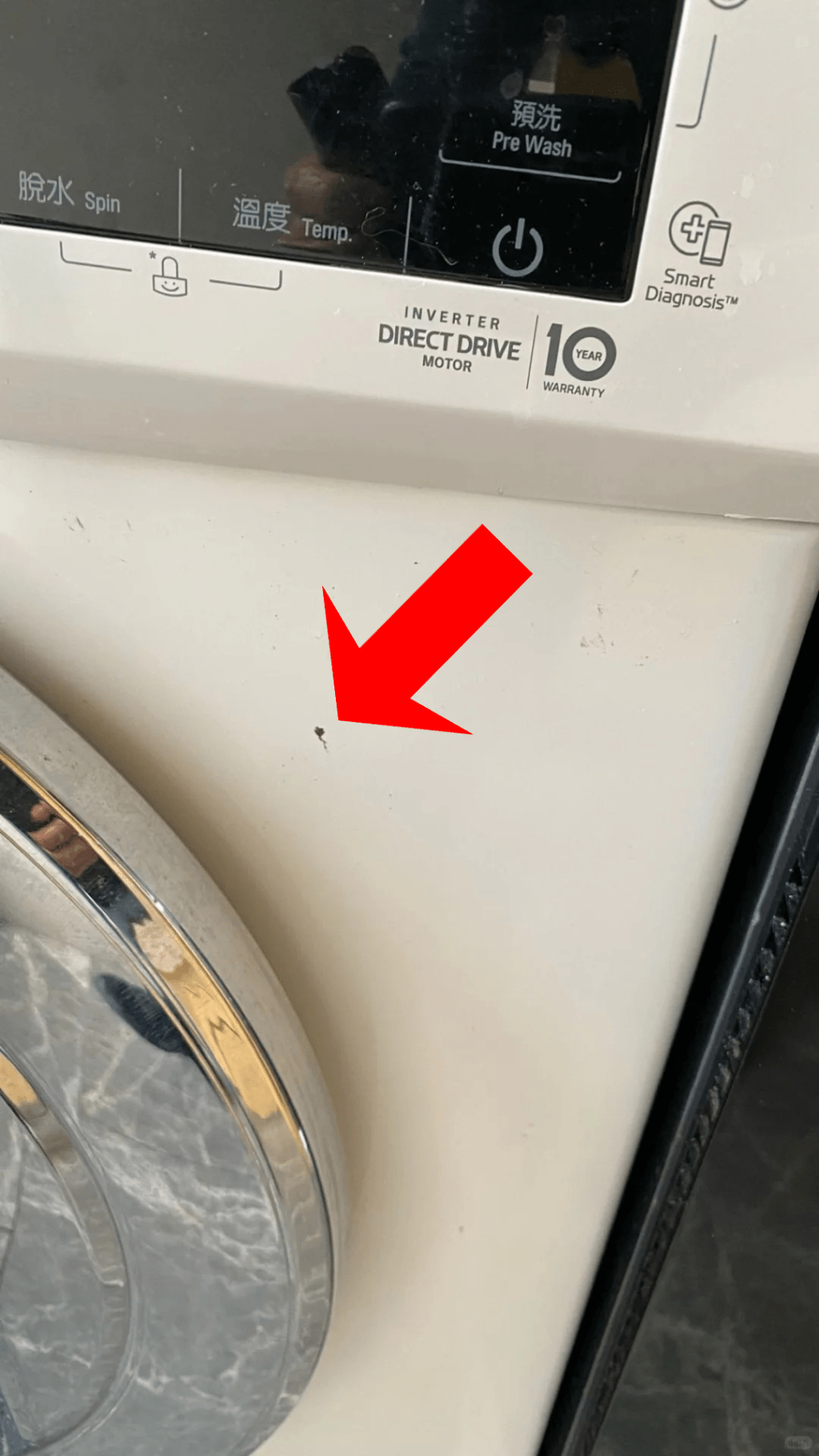
The worst part began a few days after returning the keys. To Wang’s shock, the landlord estimated repair costs at HK$8,000 to HK$10,000 (plus HK$850 for a repairman) for a scratch on the washing machine's exterior that they could not prove was made by Wang.
However, the contract stated that the washing machine's model cost only about HK$3,999 brand new.
The scratch on the washing machine's exterior.
Furthermore, the items requiring compensation included a fiberglass panel which was damaged before she moved in, bringing the total cost to nearly HK$20,000.
The landlord issued a detailed list of damage and repair costs, totaling HK$14,230, which will be deducted from the deposit.
Wang stated that the flat had been thoroughly cleaned, and described the cleaning fee as ridiculously expensive. She has repeatedly requested repair quotes or cleaning receipts as proof, but has been refused.
She has now filed a lawsuit in the Small Claims Tribunal, seeking a legal solution.
Hong Kong Mediation and Arbitration Centre Chief Executive, solicitor Albert So Man-kit suggested that tenants and landlords clearly specify the requirements for returning the unit in the lease agreement, including cleanliness standards and the absence of any damage.
In addition to specifying the return date, So shared that landlords and tenants can also take photos of the unit's condition before it was rented out for future comparison upon lease termination.
Finally, So added that landlords can require tenants to be responsible for cleaning costs and choose their designated cleaning company to reduce potential disputes arising from differing cleaning standards.
A claim can be filed with the Small Claims Tribunal regarding disputes amounting to HK$75,000 or less.
Regarding other matters, such as failure to return the unit or unreasonable deduction of the deposit, and the two parties cannot reach a consensus through negotiation, the tenant can take legal action and simultaneously file a lawsuit with the Lands Tribunal to request a court order to recover the deposit from the landlord.