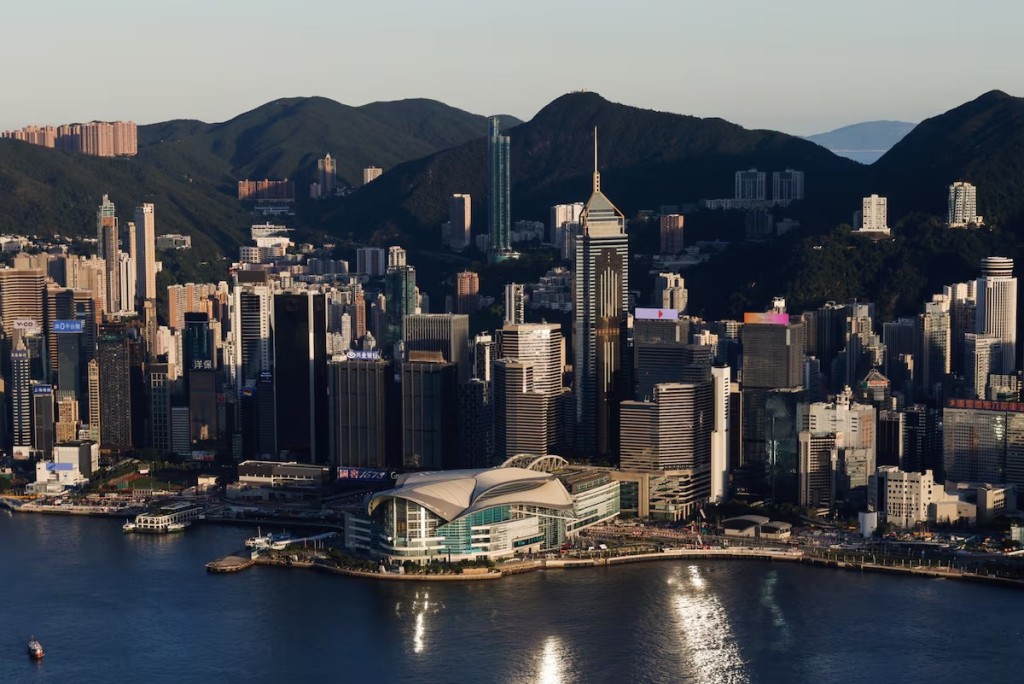
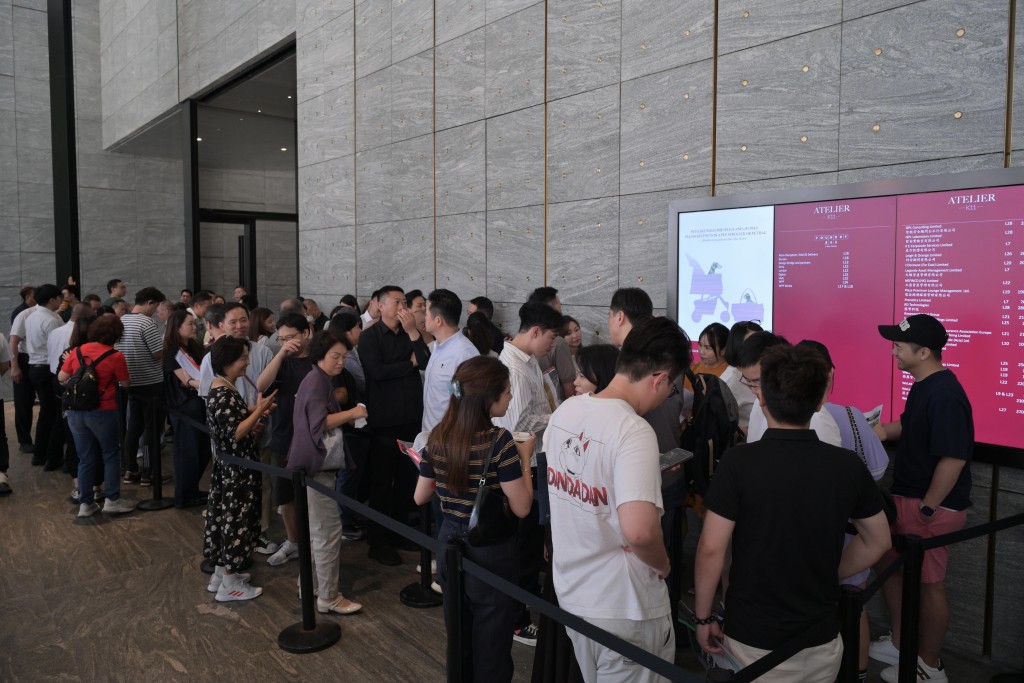
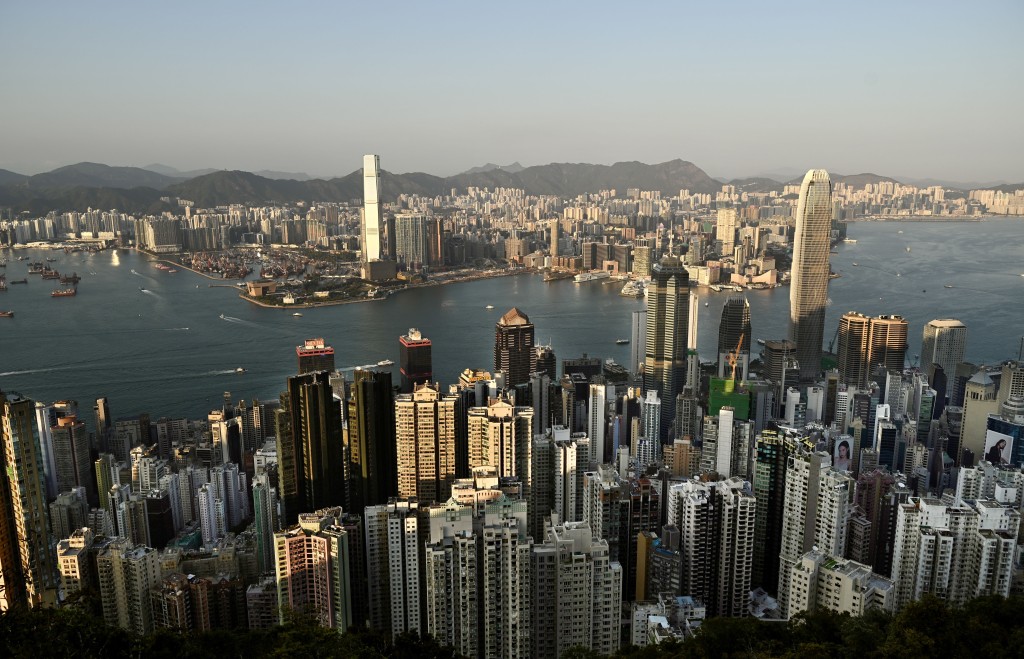
Hong Kong's commercial property market remains challenging, but sentiment in the residential sector is improving, according to HSBC.
The bank added, however, that weak demand and an oversupply in non-residential properties continue to exert downward pressure on rents and capital values. In the mainland China market, government stimulus measures have yet to significantly boost buyer sentiment.
HSBC reported that its expected credit losses (ECL) for Hong Kong commercial real estate reached US$7 billion (HK$54.6 billion) in the first nine months. This reflects an update to the ECL calculation models, increased provisions for new default risks, and continued adverse changes in the credit portfolio due to persistent market challenges.
In contrast, ECL for mainland China commercial real estate was not significant during the same period.
Overall, HSBC's ECL and other credit impairment charges for the first three quarters totaled US$29.5 billion, a year-on-year increase of nearly 44 percent. This increase included a US$6 billion rise in provisions related to Hong Kong commercial real estate and provisions for exposures in the Middle East. The ECL charge annualized to 40 basis points of total average loans.
Additionally, the bank incurred US$8 billion in restructuring costs related to streamlining its organizational structure, primarily from severance payments. However, this resulted in annualized cost savings of approximately US$10 billion, reducing operating expenses by about US$3 billion. The group aims to achieve annualized cost reductions of around US$15 billion and complete the structural simplification by the end of next year.
HSBC also noted it has announced 11 transactions this year to enhance investment capabilities. The bank has begun a strategic review of its retail banking business in Egypt, while reviews for its retail operations in Australia and Indonesia are ongoing, with no decisions made yet.