When Chinese filmmaker Jia Zhangke created a short film with ByteDance – in which he meets his artificial intelligence double – he was driven by a fascination with what AI might yet hold.
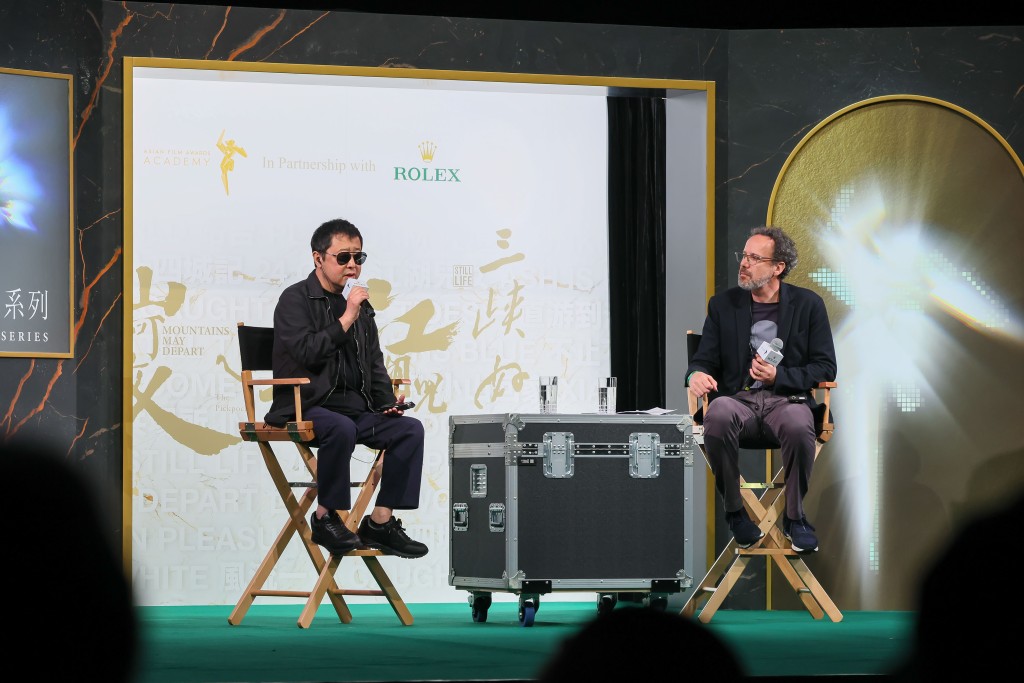
"We have to put our attention on new technologies," Jia said at an Asian Film Awards Academy masterclass partnered with Rolex yesterday. The inquisitive director approaches these new tools with curiosity, refraining from early judgments, but much prefers to document experiences firsthand.
"We're at a learning stage," he said in an exclusive interview with The Standard. "I still like to document real life."
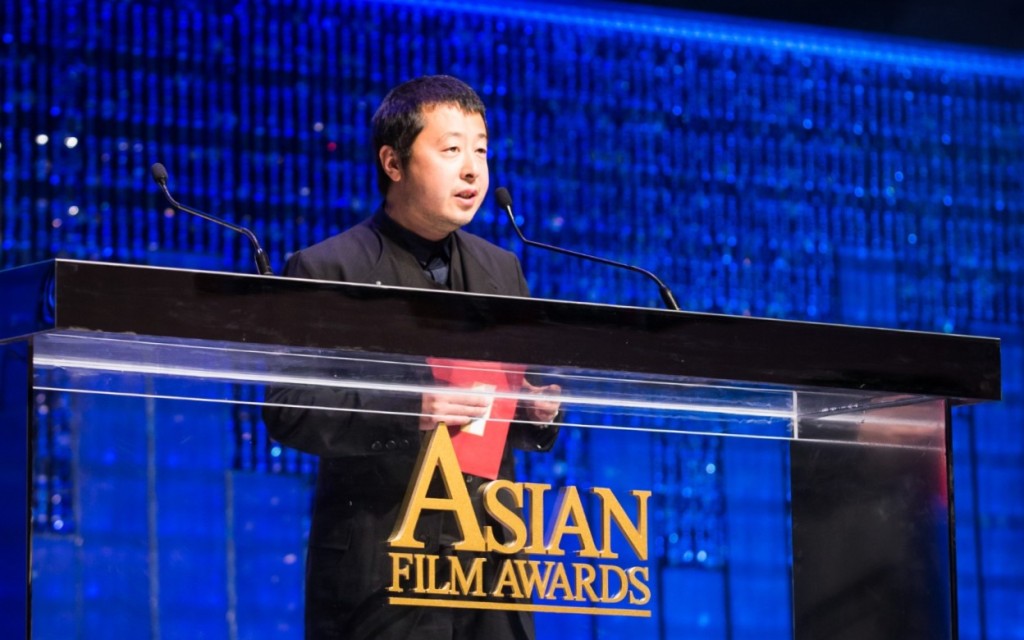
Jia Zhangke served as the jury president at the 11th Asian Film Awards.
Beyond his thoughts on AI, Jia delved into his earlier works that hit the global stage at the masterclass, including Xiao Wu and Platform from the 1990s – the latter being his most memorable documentary, which he told The Standard. "It [Platform] illustrates the time when China faced drastic change," he said.
Some of Jia's award-winning films, Still Life and A Touch of Sin, record shifting eras and social sentiment. From the construction of the Three Gorges Dam to the buildup of modern China, Jia presented the effects of change on individuals of the time and the beauty of depicting reality in film.
However, Jia is no perfectionist. He considers the flaws in his documentaries as part of who he is. "I like the defects in my films. It's a part of my weaknesses," he said.
Jia also shared his love for Hong Kong cinema, noting that wuxia films allowed him to reimagine the past, giving him a sense of local history. "I spent six years watching Hong Kong films on VHS," he said. As an avid fan of Hong Kong cinema, he is looking to work on a movie set in the city.
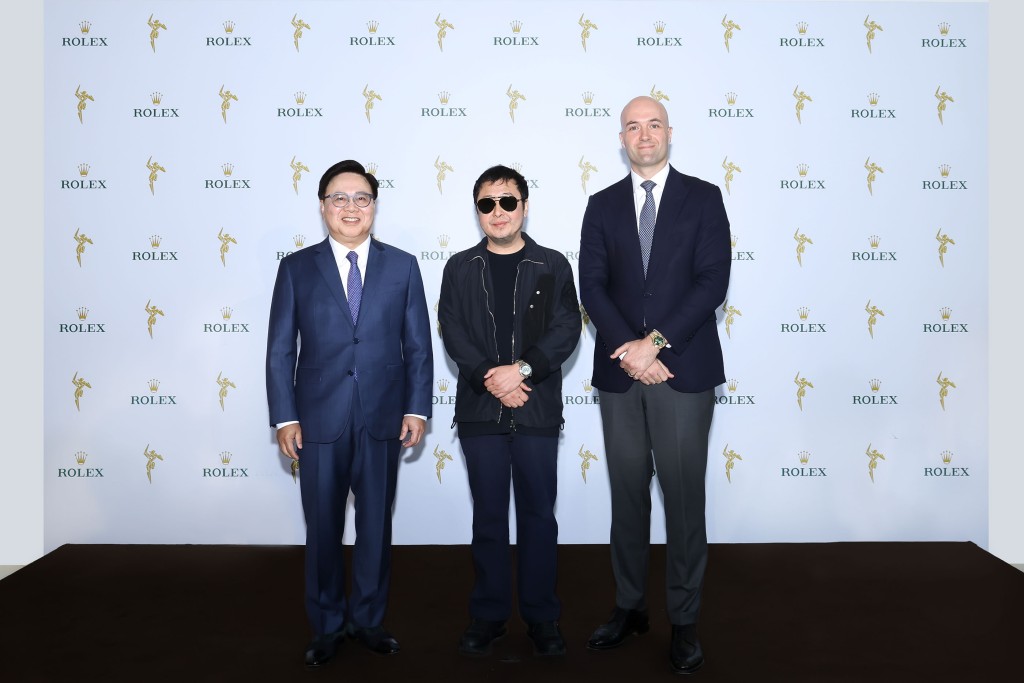
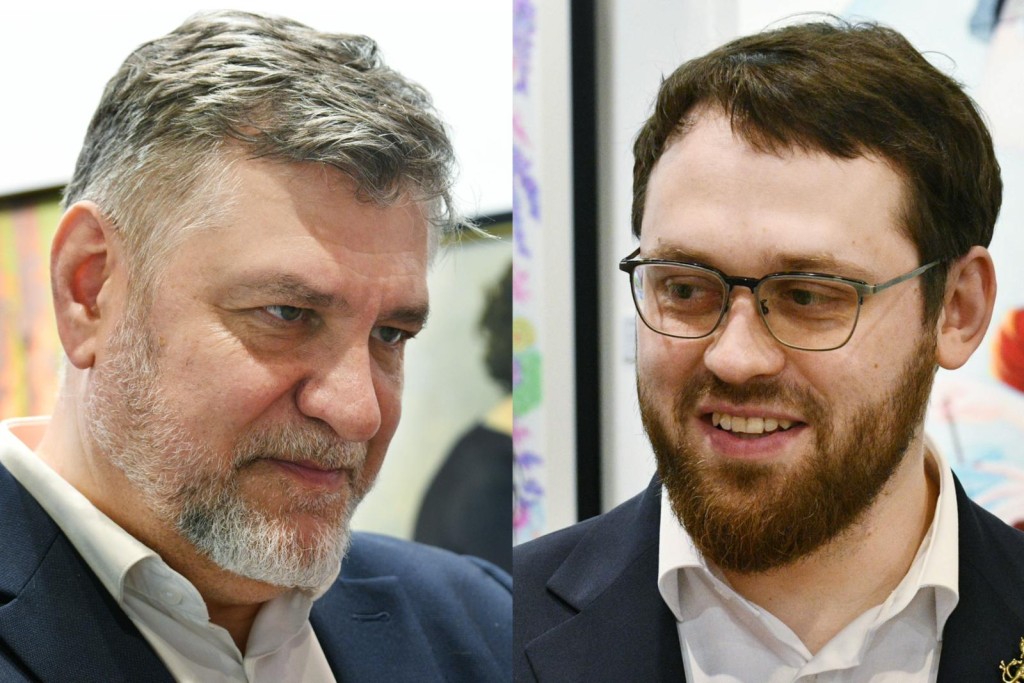
From left, Wilfred Wong, Jia Zhangke, Maxim Lamarre. ROLEX
Maxim Lamarre, chief executive of Rolex Greater China, said Jia's masterclass aligned with Rolex's Perpetual Arts Initiative, where they "place particular emphasis on nurturing Asian film talent."
The Asian Film Awards is a major international platform for filmmakers and audiences across Asia to connect, Wilfred Wong, chairman of the academy, said.
Having founded the Pingyao International Film Festival a decade ago, Jia built a platform for emerging directors to come together and share their visions – a cause which he holds dear. The festival is not meant to be placed on a pedestal, but welcomes all to Pingyao, Shanxi, a "vivid image of how Chinese people lived," as Jia described it.