In a world where business confidence is often shaped by distance, perceptions and uncertainty, Hong Kong offers something rare: a place where Europe, China, and Asia can meet.
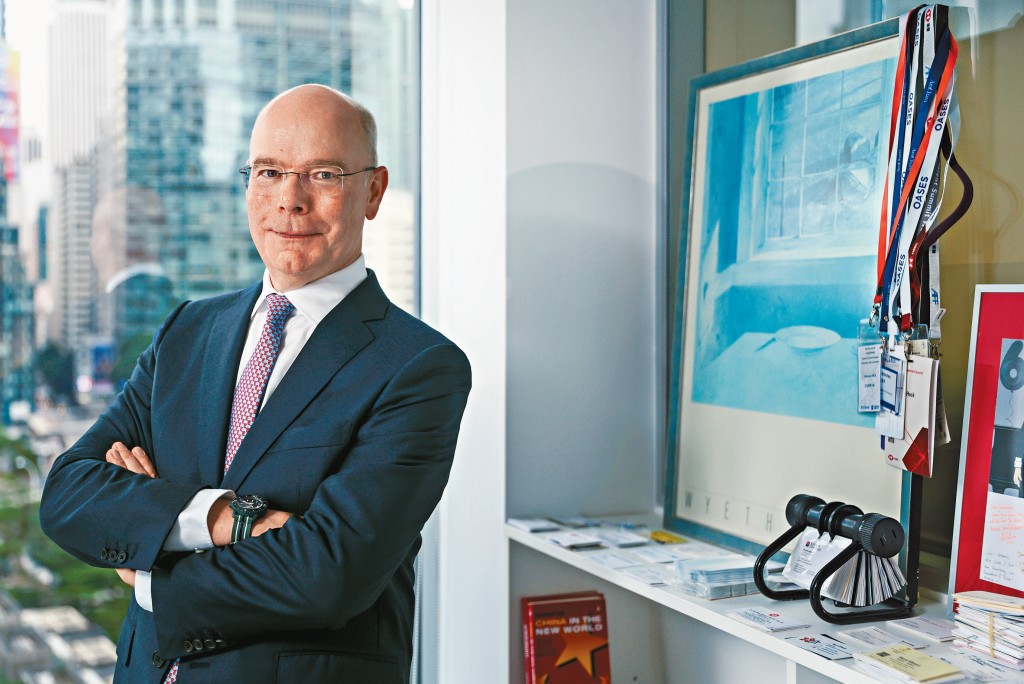
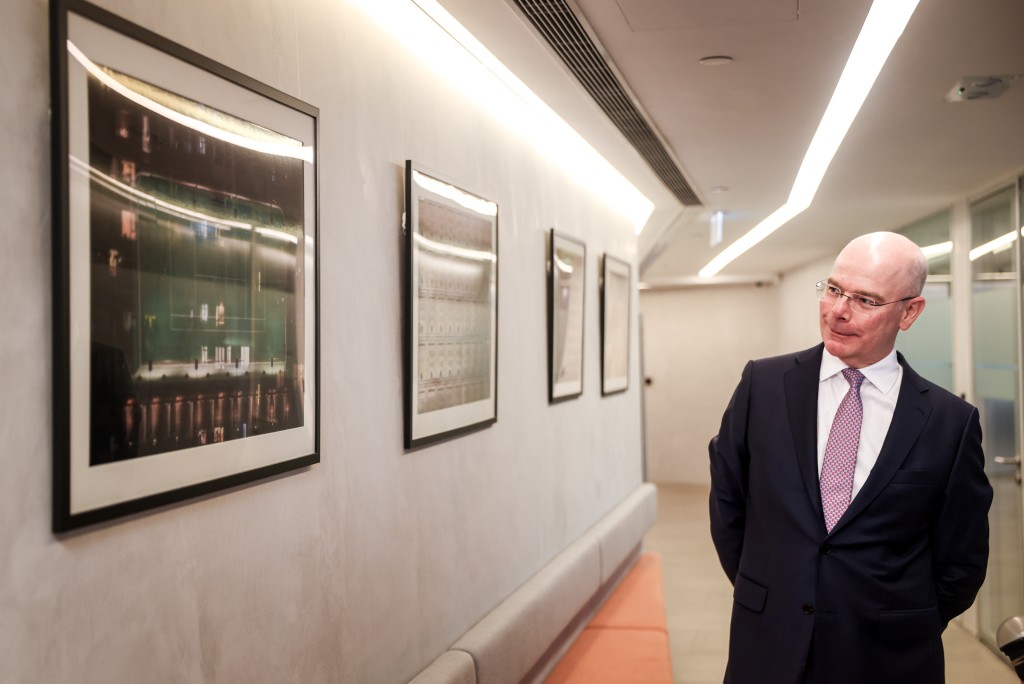
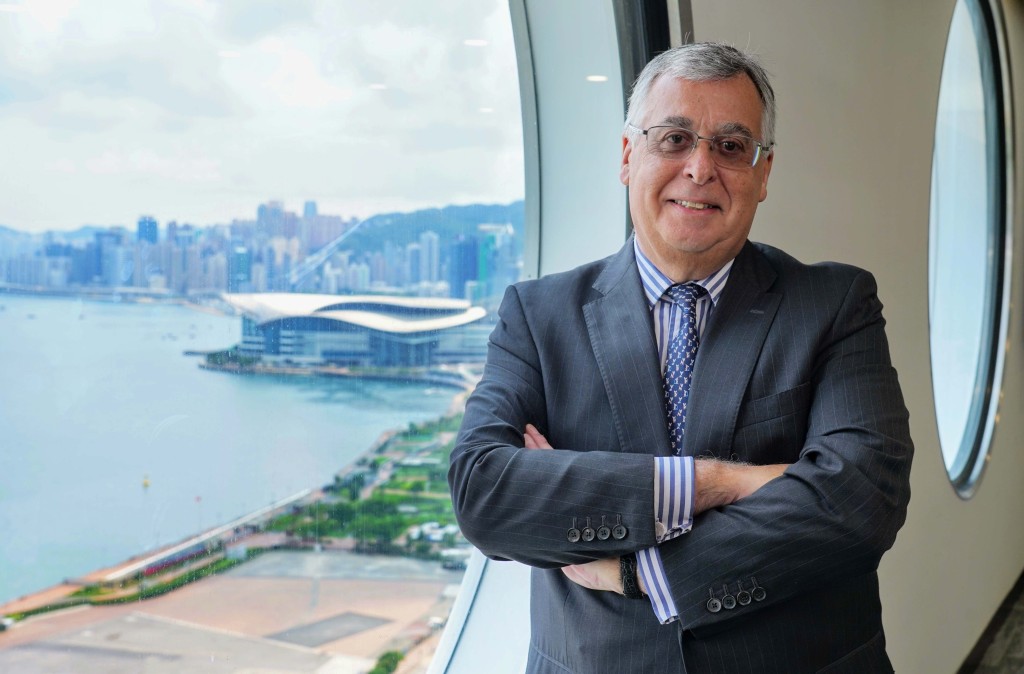
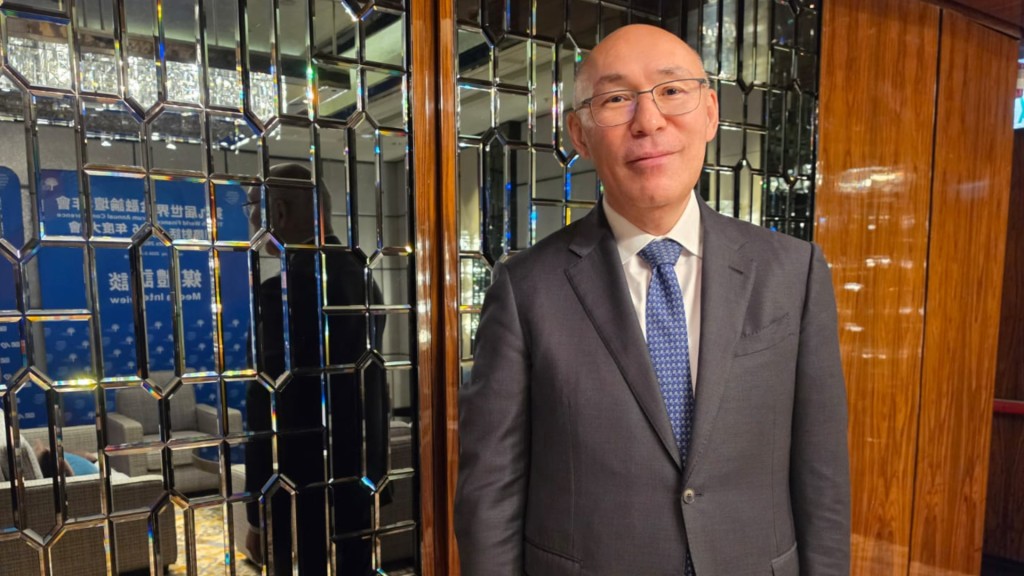
For Johannes Hack, chairman of the European Chamber of Commerce in Hong Kong, the city’s value is not captured by one single policy phrase or economic indicator. It lies in the way Hong Kong allows companies to move capital, people, knowledge and trust across borders, and in the confidence that foreign firms can build a business here while staying connected to the Chinese mainland and the wider region.
In an exclusive interview with The Standard, Hack described Hong Kong as a connector built on widespread English proficiency, free capital flow, a reliable legal environment, open access to information, professional services, schooling, and a deep pool of business talent.
These elements, he said, work together as an ecosystem that is difficult to replicate. “Depending on which place you compare it with, there will always be one metric within the entire context where Hong Kong will stand out because you get the whole of it.”
“If Hong Kong didn’t exist, you would want to invent it,” he added.
Asked about the “One Country, Two Systems” policy, Hack acknowledged its importance to businesses in Hong Kong but said the phrase is often not fully understood in Europe. His approach is to explain what it means in practical terms: Hong Kong has no capital controls, uses a business-friendly legal framework, protects information flow and remains visibly different from the mainland while being part of China.
That distinction, he said, is central to the city’s commercial value.
For European firms, Hack said, Hong Kong’s strengths lie in finance, services, treasury, advisory work, regional management, and market entry. It gives companies a base from which to understand the mainland, the Guangdong-Hong Kong-Macao Greater Bay Area and Asia, while also helping mainland firms prepare for global expansion.
“The ‘going global’ part will really be something where Hong Kong will have a big role,” Hack predicted, pointing out that mainland companies are still heavily reliant on advice for entering the European market, and Hong Kong is the best place to obtain it.
Hack also noted that Hong Kong’s gateway role is becoming more important in terms of providing business people in Europe with an up-to-date and accurate picture of the environment in the mainland.
Executives based in China often see market realities differently from head offices in Europe, where perceptions may still be shaped by older reports, the pandemic years or political headlines.
This is why Hong Kong is vital, he said. It is easier to get people to visit Hong Kong, and once they are here, they can interact with individuals who have been in the mainland and form a more realistic picture.
As EuroCham brings together 16 national chambers – including European Union member chambers as well as the British, Swiss, and Norwegian chambers – Hack said its role is to amplify member voices and present shared priorities to the Hong Kong government. It gives businesses a platform to speak collectively, especially where smaller national chambers may find it harder to be heard alone.
EuroCham is also dedicated to fostering a nuanced perception of Hong Kong in Europe, and is set to organize its first-ever door-knock in Brussels this September.
Hong Kong, he suggested, remains a city where companies can test the region, understand China more clearly, reach Asian markets more easily and operate with a level of openness and confidence that sets it apart.
For Hack, the message to European firms considering Asia is simple: “Come.”
Why Hong Kong works as a hub for diverse exchange
Hong Kong’s connector role is strongest when institutions and infrastructure work together.
EuroCham operates as a “chamber of chambers”. Larger chambers may act on their own, while smaller ones gain a platform that gives companies influence. Through business councils and working groups, members turn sector concerns into policy discussion, from sustainable finance and reporting standards to artificial intelligence and cooperation with Hong Kong, the Chinese mainland and Europe.
Johannes Hack also highlighted the accessibility of the Hong Kong government. The International Business Committee chaired by the Financial Secretary, he cited, gives chambers a channel to exchange views with officials, while Policy Address and Budget consultations also allow input.
Among Hong Kong’s advantages, Hack placed widespread English proficiency very high up. It is the language base that allows people from different markets to work together.
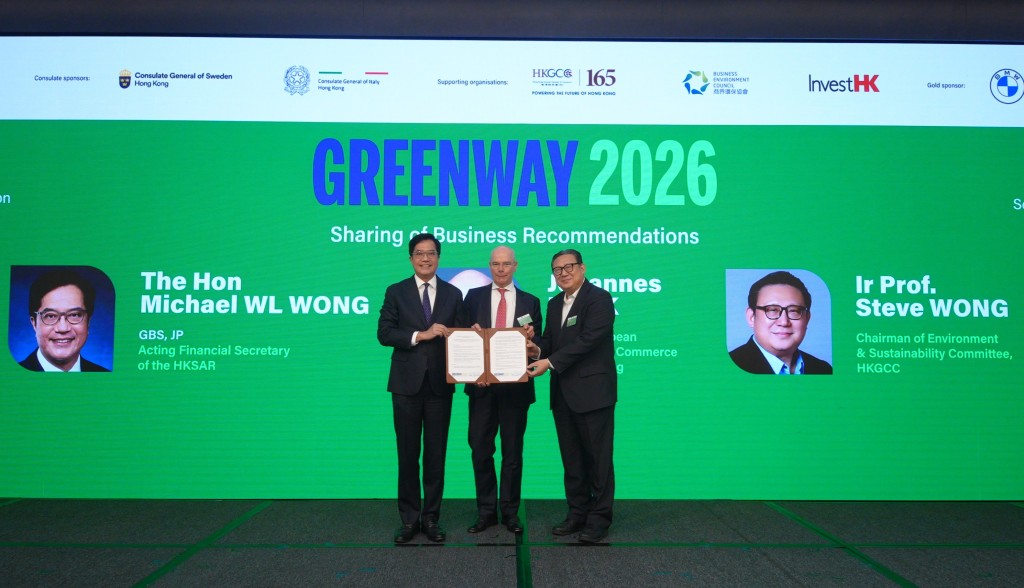
Greenway 2026, a flagship sustainability event co-organized by the EuroCham and the European Union Office to Hong Kong and Macao, welcomed over 300 guests from the government, business sector, and civil society last month.
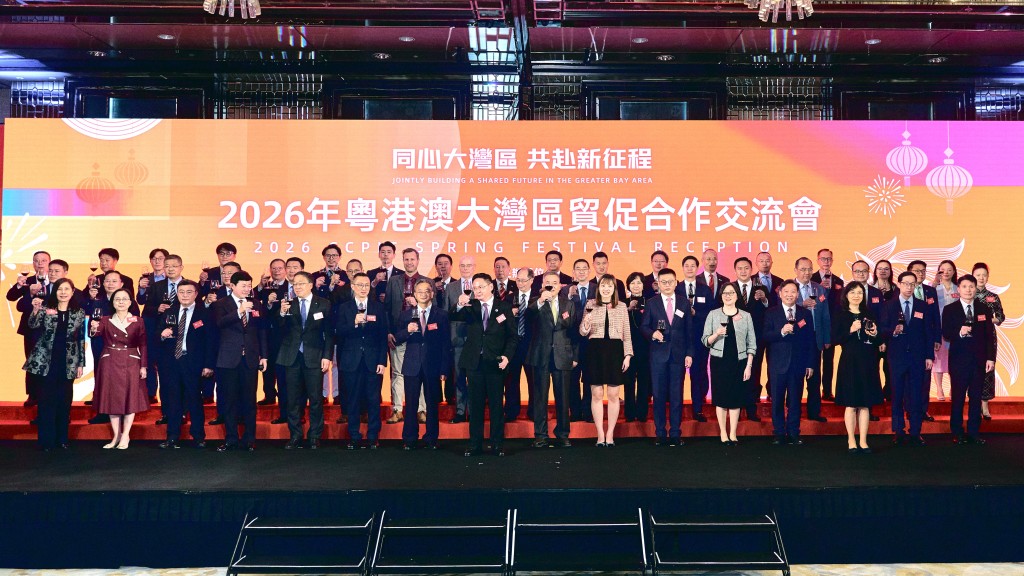
EuroCham works closely with fellow chambers and promotes exchange between Europe, Hong Kong, and the Greater Bay Area.
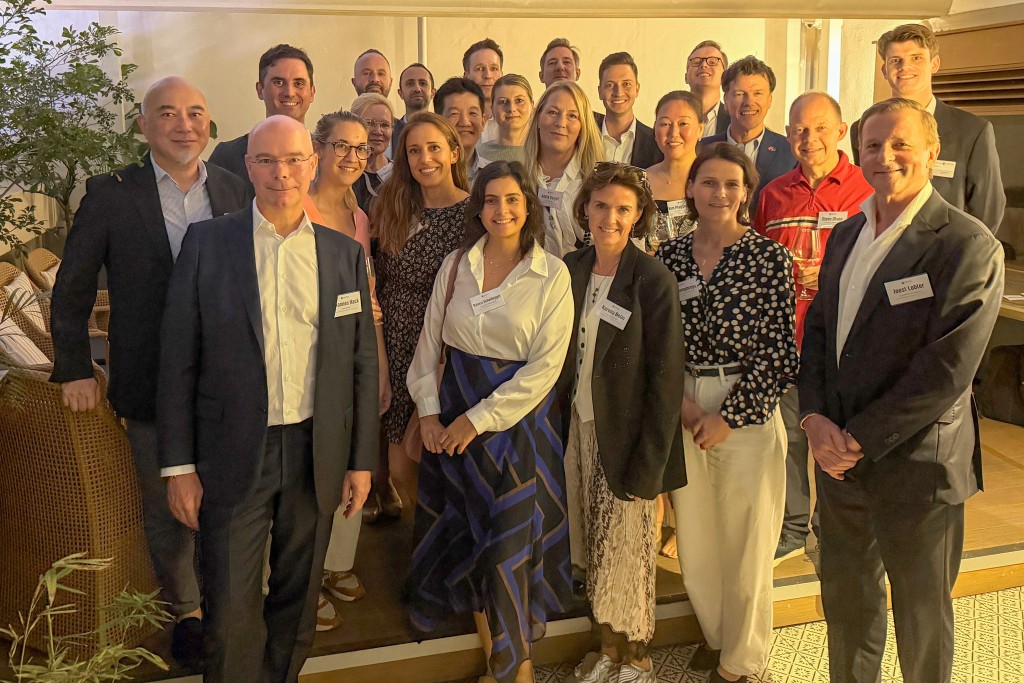
EuroCham brings together business leaders, chamber representatives, and diplomatic partners to exchange ideas.
Legal and financial certainty are also important. Investors need to know that when they put money into a market, they can also take it out.
“The certainty that there is no corruption, there is a stable law, there are stable regulations that don’t change, that are transparent, that you can understand. Very clearly, Hong Kong offers this 100 percent,” he said, noting the city’s capital flow, intellectual property rights protection and Hong Kong-US dollar peg further support confidence.
Infrastructure adds another layer. Hack praised the airport, direct flights, MTR, taxis, and compact central business district. In Hong Kong, a business traveler can move between appointments quickly, sometimes simply by walking from one place to another.
The Guangdong-Hong Kong-Macao Greater Bay Area gives this efficiency a cross-boundary dimension. Hack said travel convenience for non-Chinese permanent residents has improved access, and suggested extending similar convenience to non-permanent residents to enable them to “live in Hong Kong, work in GBA”.
Talent remains decisive. Hack said Hong Kong has outstanding mainland talent, but should also preserve an international mix. The city thrives on variety.
Visiting the Peak changed his view of Hong Kong
For Johannes Hack, Hong Kong’s future is not only a matter of policy. It is also personal.
Long before he moved to the city in June 2018, his life had already been shaped by international travel. Originally from Germany, his family moved to Laos when he was 10, then returned to Germany and later moved to Kenya. He went on to study in Berlin and built a truly international career, working in Frankfurt, Moscow, London, Washington, Sofia, and Nairobi.
For Johannes Hack, Hong Kong is a city where global business, local rhythm, and nature meet within minutes of one another.
His first encounter with Hong Kong in 2008 was not love at first sight. Staying near Pacific Place in Admiralty, he stepped outside and found roads, railings, and blocked walkways. Frustrated, he returned to the hotel, where he was advised to walk uphill toward Victoria Peak. That walk changed his impression.
The city’s skyline, hills, and energy made him feel that one day, if the chance came, he would want to live here.
Ten years later, that chance did come. “Of all the places I’ve ever lived, Hong Kong is the nicest mix of culture, food, accessibility, people, sports and leisure,” Hack said.
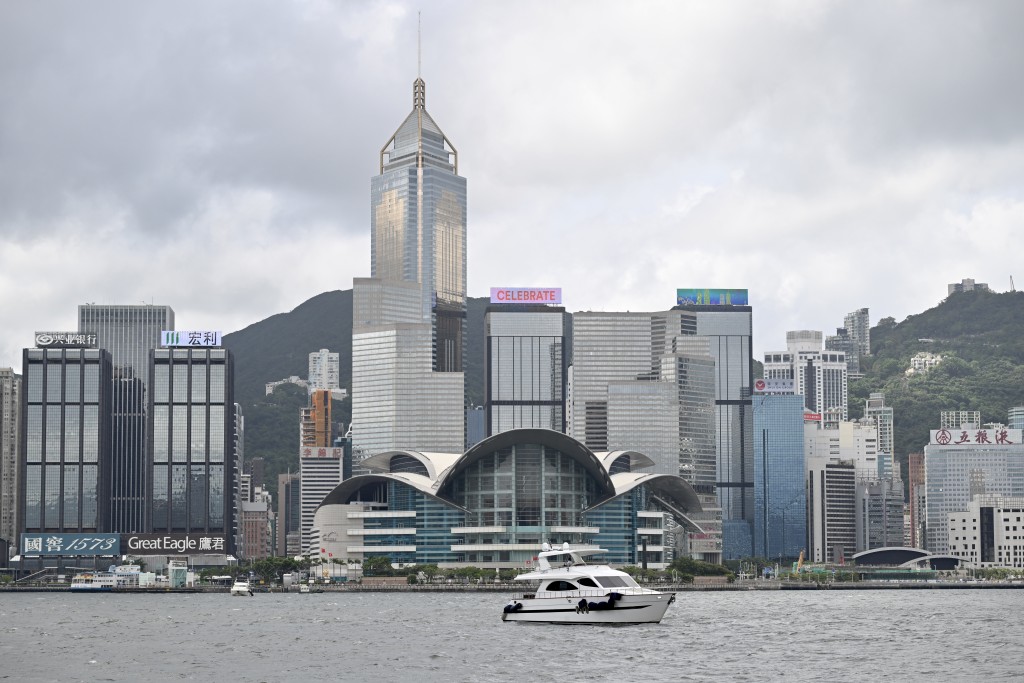
He often enjoys showing visitors the side of Hong Kong they do not expect: Repulse Bay, Stanley, Dutch Lane, and the Peak trails. From there, the city opens into a view of the harbor, islands, mountains, and even Shenzhen on a clear day.
Those moments have shaped his confidence in Hong Kong as more than a financial center. It is a city where global business, local rhythm, and nature meet within minutes of one another, giving daily life the same sense of connection that defines its business role.
Asked what gives him confidence in Hong Kong’s future, Hack’s answer was people. Hong Kong, he said, is driven by people who are innovative, adaptable, kind, and determined to get on in life.