A Nasdaq-listed fintech group from Kazakhstan is setting its sights on Hong Kong, betting that a secondary listing will accelerate its transformation from a Central Asian powerhouse into the financial backbone of Eurasia.
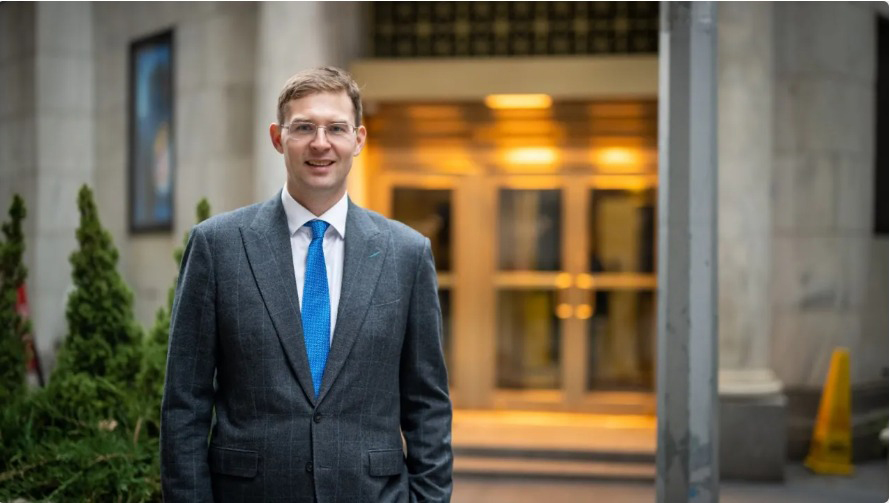
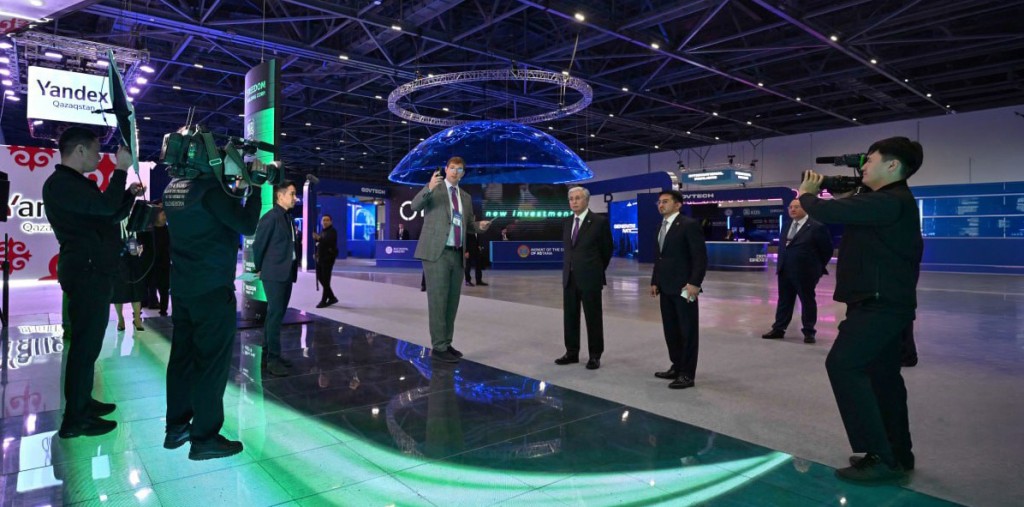
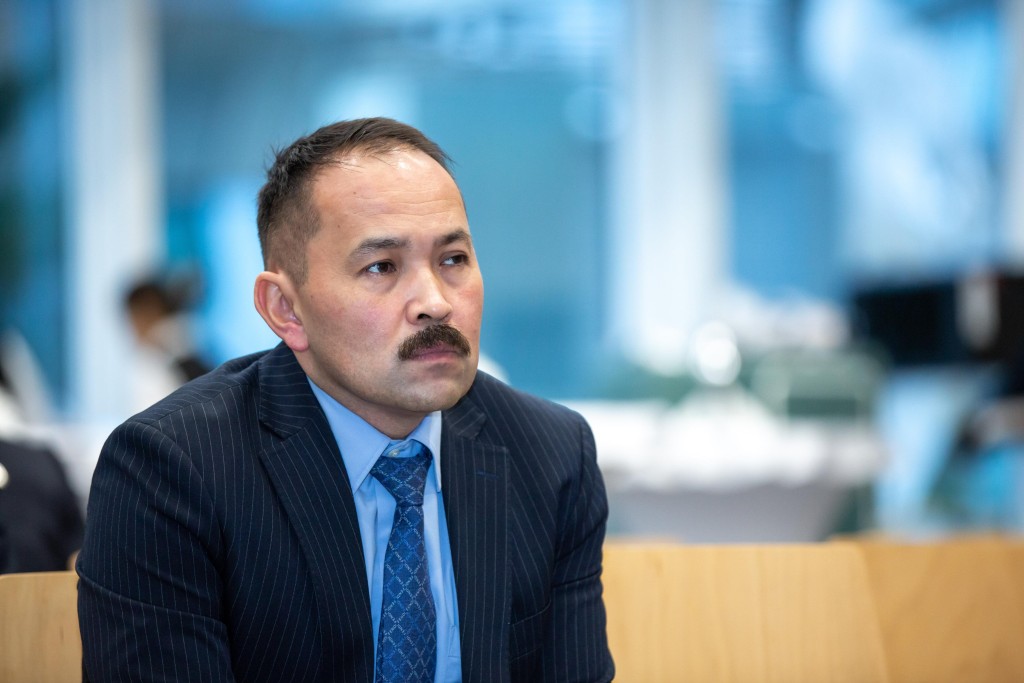
Freedom Holding, which operates the dominant Freedom SuperApp in Kazakhstan, has confirmed it is actively considering a secondary public offering in Hong Kong, founder and chief executive Timur Turlov – dubbed Central Asia’s Elon Musk – told The Standard before the delegation led by Chief Executive John Lee Ka-chiu to Astana officially kicks off on Monday.
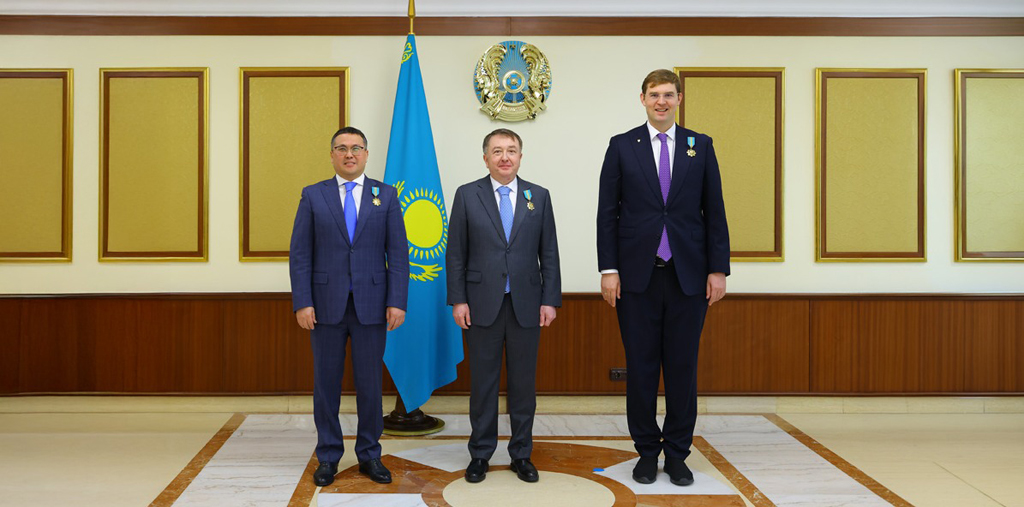
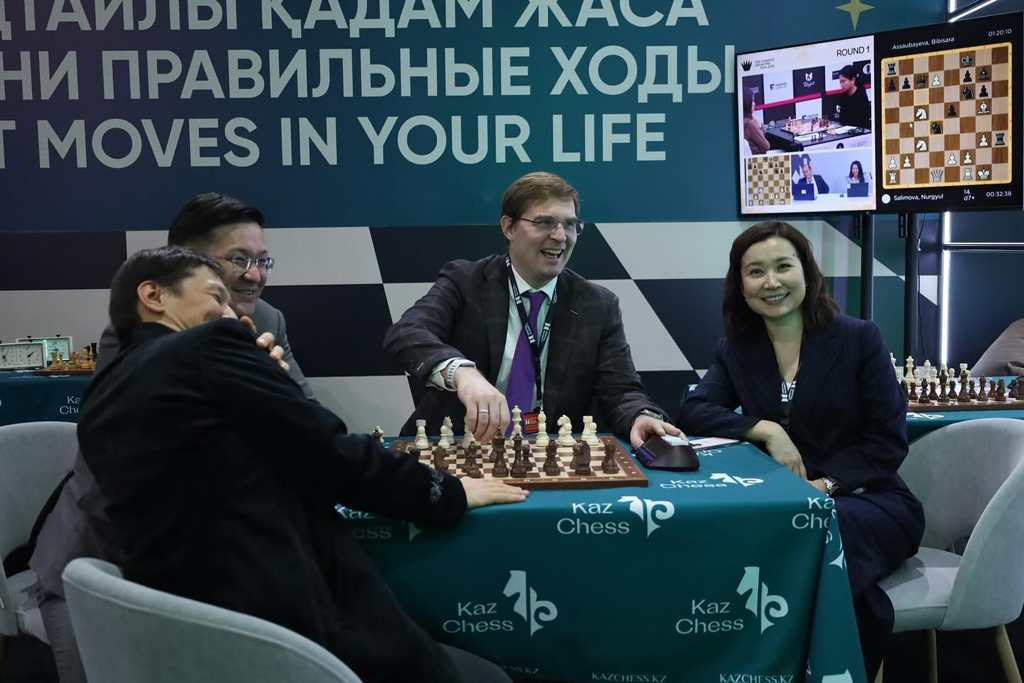
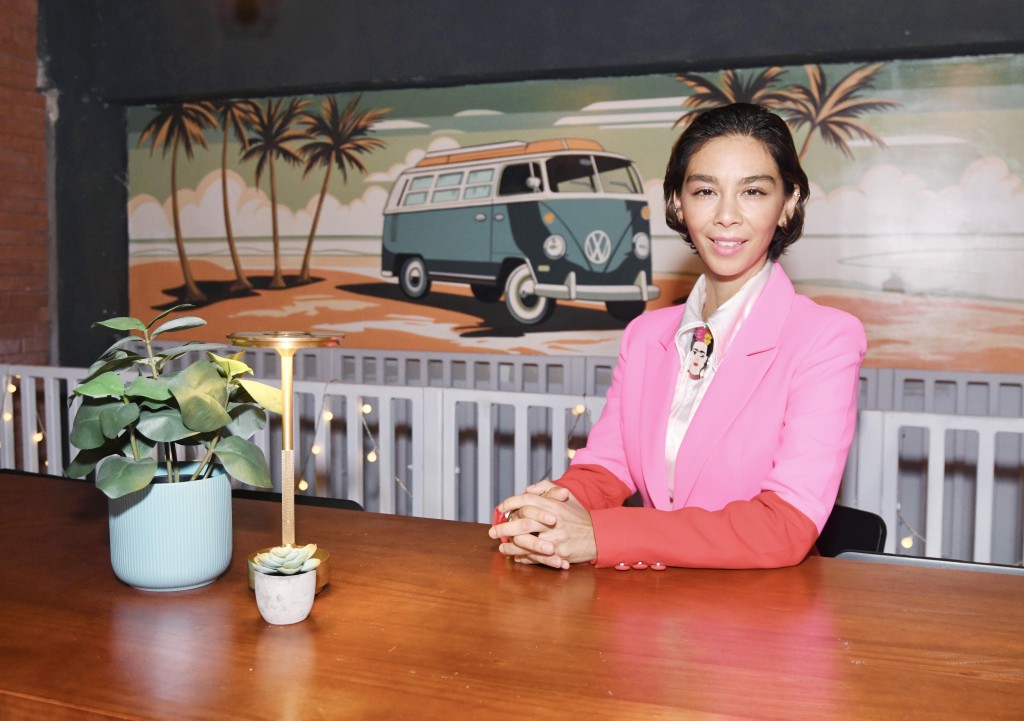
Timur Turlov was awarded Kazakhstan’s Parasat Order for socioeconomic contributions.
The move is part of a sweeping expansion plan that includes a US$300 million (HK$2.34 billion) bank acquisition in Turkey and a US$2 billion artificial intelligence hub in partnership with Nvidia.
Established in 2008 with just US$100,000 pooled from co-founders, Freedom started as a brokerage giving post-Soviet citizens access to the United States’ stock markets.
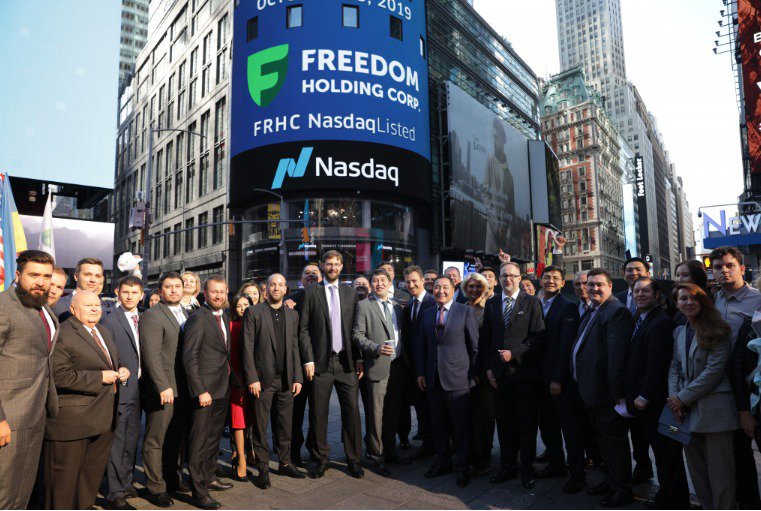
It was listed on Nasdaq in 2019 and now operates in 21 countries with a market capitalization approaching US$9 billion. The company’s SuperApp unifies banking, brokerage, insurance, travel bookings, groceries, event ticketing, and government services in a single interface, serving 5 million users in Kazakhstan alone.
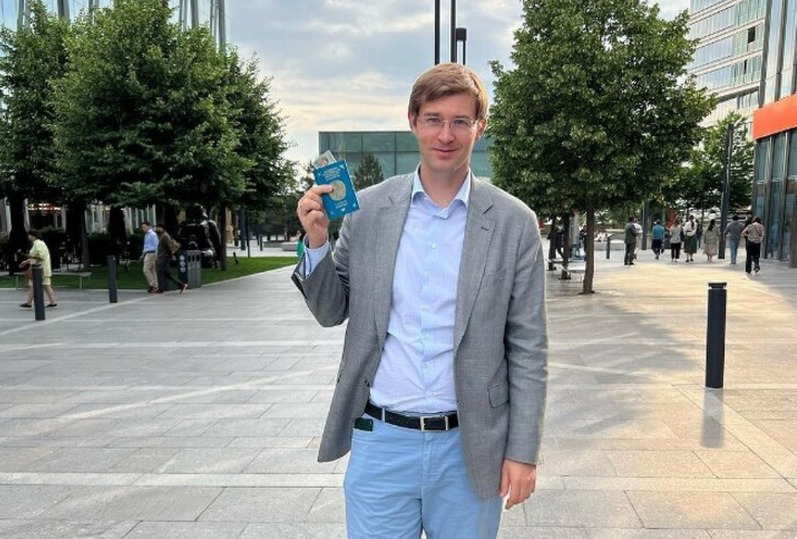
Freedom was listed on Nasdaq in 2019.
For Turlov, a Hong Kong listing is not merely about raising capital. It is a strategic bridge, analogous to Cyprus, where Freedom’s EU-passported license acts as a “translator” between US and European regulatory standards. Hong Kong, he believes, can play the same role on the Asian end of what he calls the “long Eurasian backbone.”
The appeal is threefold. First, it opens access to Asian institutional investors – Chinese, Middle Eastern, and Southeast Asian – who are difficult to reach from New York alone. Second, Hong Kong’s common-law framework aligns with US, Kazakh, and EU regulators. Third, a presence in the city provides a credible launchpad for financial services licenses across Asia.
The immediate priority is Turkey. Freedom has agreed to acquire Turkish Bank AS, a lender operating since 1982, while its local brokerage subsidiary nears final licensing. Once both are approved, Freedom will deploy its full ecosystem into a market of 90 million people. “The acquisition of a bank in Turkey is a logical next step in expanding into a market where we see significant long-term potential,” Turlov said.
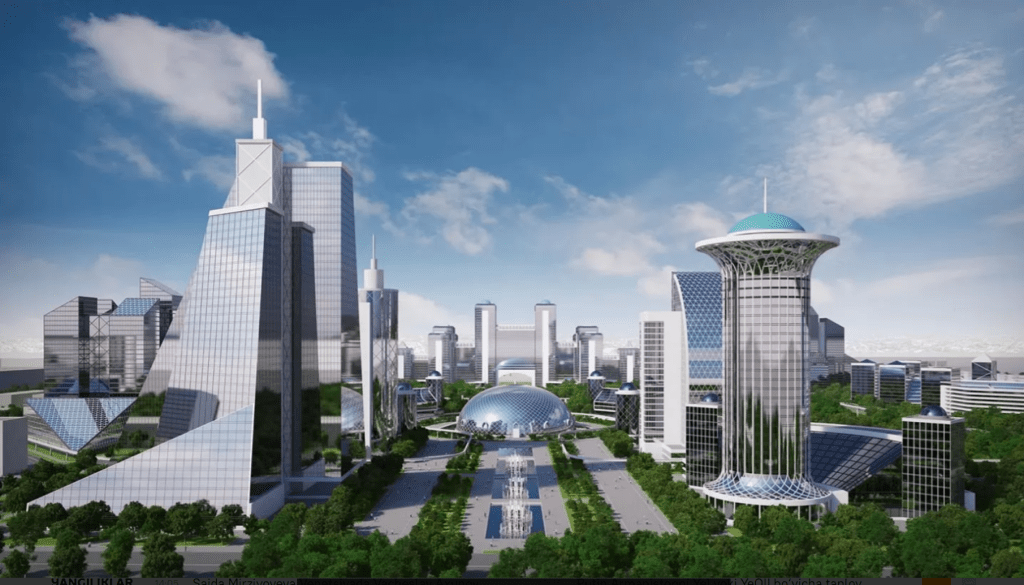
Freedom’s ambitions extend well beyond digital finance. The company is the lead investor in a sovereign AI center in Kazakhstan, developed with Nvidia on a 100-megawatt site. Recently, it registered Freedom AI to manage data center operations. Positioned on the Europe-China traffic axis, the facility will offer compute capacity and sovereign cloud services for governments that do not want their data in US or Chinese facilities.
“We are building an ecosystem and replicating it in other markets – the multinational and multiproduct approach that gives us resilience,” Turlov said.
Inside Freedom’s US$2 billion bet to make Kazakhstan an AI Hub
Freedom Holding is making a US$2 billion (HK$15.6 billion) wager that Kazakhstan can become a regional hub for artificial intelligence.
The centerpiece is a sovereign AI center developed with Nvidia on a 100-megawatt site, formalized recently with the registration of Freedom AI.
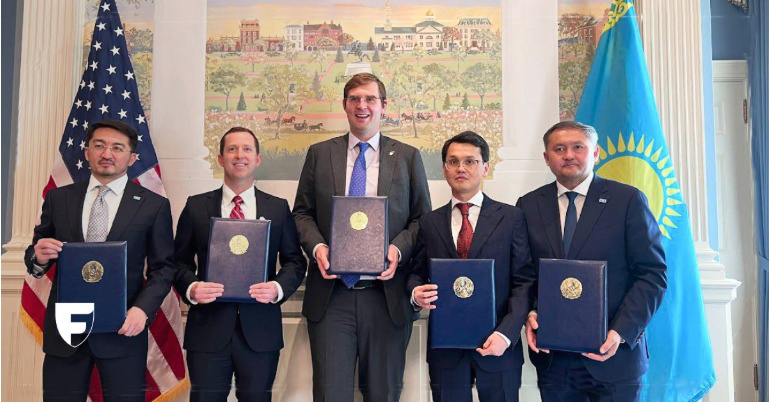
The project is a full-stack ecosystem: compute capacity for rent, sovereign cloud services for governments, and an AI academy to train engineers. Deputy Prime Minister Zhaslan Madiyev called it “a major step in implementing Kazakhstan’s national AI strategy.”
Why Kazakhstan? The advantages are physical: cheap, abundant electricity; a cold climate that slashes cooling costs; and a location on the Europe-China axis within useful latency of European, Middle Eastern, South Asian, and Chinese markets.
“These are the constraints that determine where large-scale compute gets built,” Turlov said.
“Kazakhstan sits in a sweet spot no one else is seriously exploiting.”
President Kassym-Jomart Tokayev has made AI a national priority, backing the project with a dedicated Ministry of AI.
Freedom already operates seven data centers across the country, including a Tier IV facility with 4,000 racks – the first of its class in Central Asia. The ambition goes beyond server racks. Through OpenAI, 165,000 Kazakh teachers received ChatGPT Edu access.
Nokia and Tuya Smart joined as technology partners in early 2026.
Talks with Chinese cloud providers are ongoing. Freedom is also integrating AI into its SuperApp for personalized financial assistance.
The real constraint is not money or chips. “Compute we can build; chips we can buy; policy we have,” Turlov said. “The bottleneck is [having] enough Kazakh engineers with serious AI capability.” The project’s AI Academy and Research Laboratory aim to close that gap.
Central Asia’s Elon Musk – from atypical teen to tech billionaire
Timur Turlov does not fit the typical fintech founder mould. He started his career at 16 and built a multibillion-dollar business in a country most global investors overlooked.
Born in 1987, Turlov began trading at American investment firm World Capital Investments while still a teenager. He later joined a bank, helping develop infrastructure for US stock market access – a niche that would define his career.
In 2008, at 21, he founded Freedom Finance with US$100,000 (HK$780,000) pooled from six colleagues. The mission was simple: let ordinary people in the post-Soviet world buy shares of Apple, Google and Microsoft – companies whose products they used daily but whose stocks were effectively out of reach.
“I grew up watching Apple, Google, Microsoft change the world, and it struck me as wrong that buying a share of those businesses was treated as something exotic,” Turlov said. “If you used the iPhone, you should be able to own a piece of Apple.”
The early years were lean: six people in a small office, regulators who did not know what to make of them, competitors larger and older. “When you are 21 and the market is against you, what carries you through is not strategy. It is the fact that the people next to you have not given up either.”
A pivotal move came in 2012 when Turlov expanded into Kazakhstan, where he and his family have been living since 2011. It proved prescient. Kazakhstan underwent rapid digital modernization, becoming one of the most digitalized states in the world, and Freedom grew alongside it.
In 2019, Freedom Holding listed on Nasdaq – the first financial institution from the Commonwealth of Independent States to do so. The stock has since risen nearly 10 times. Today, Turlov’s net worth stands at approximately US$5.2 billion, with BlackRock, State Street, and JPMorgan Chase among institutional shareholders.
Despite holding roughly 70 percent of the company, Turlov insists he will not remain a controlling shareholder indefinitely. “I do not want Freedom to be a company that exists because of one person, or that fails if that one person stops,” he said. “The companies I have always admired – Apple is not Steve Jobs anymore; Microsoft is not Bill Gates. That is what success looks like at scale.”
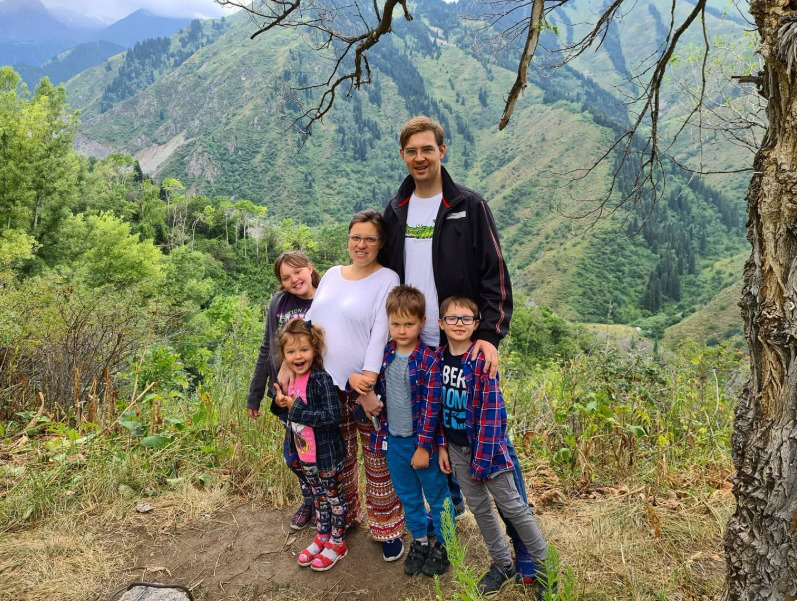
A married father of six, Turlov runs the company on “trust as a working method.” Senior managers receive real autonomy, and several of the original six co-founders still hold senior roles.