Tashkent, the national capital of Uzbekistan, is positioning itself as the main gateway to a fast-growing Central Asian economy backed by strong political commitment to reform, urban modernization, and private investment – and a potential long-term regional partner for Hong Kong.
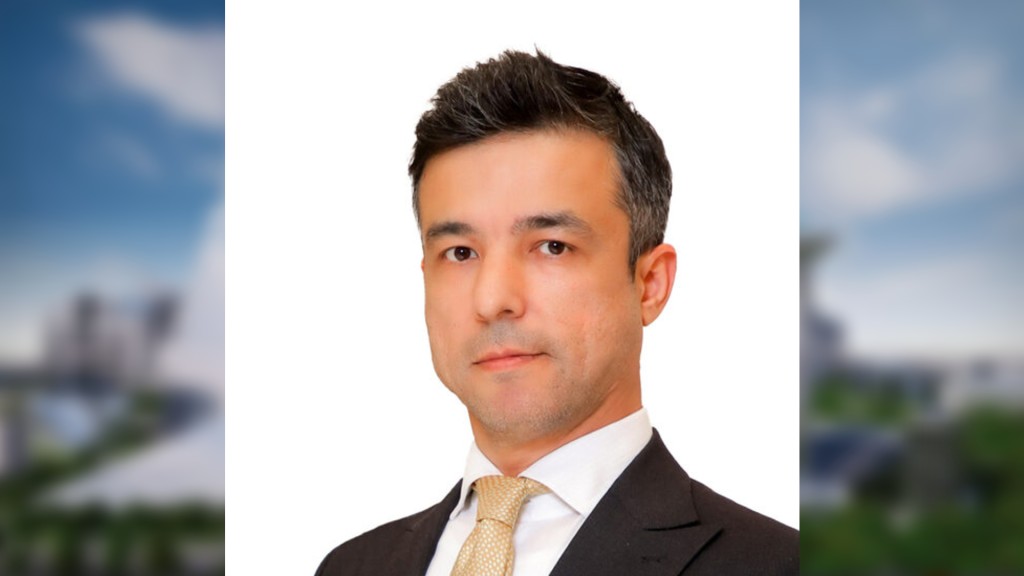
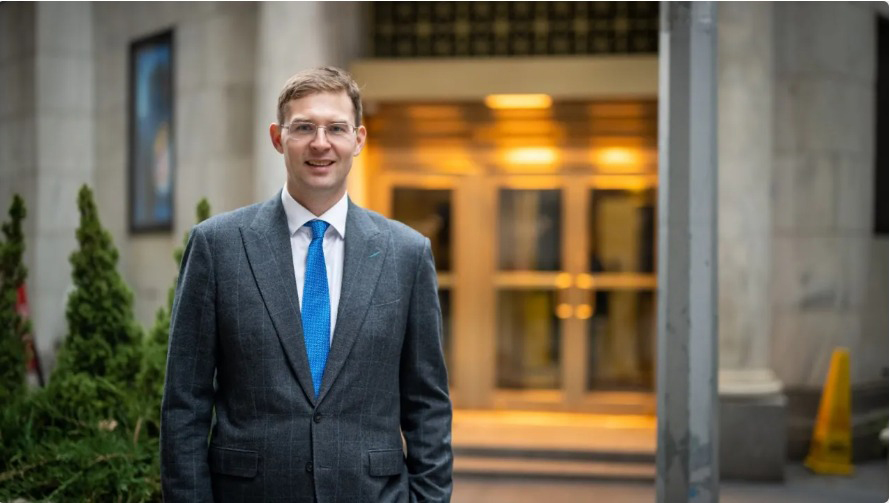
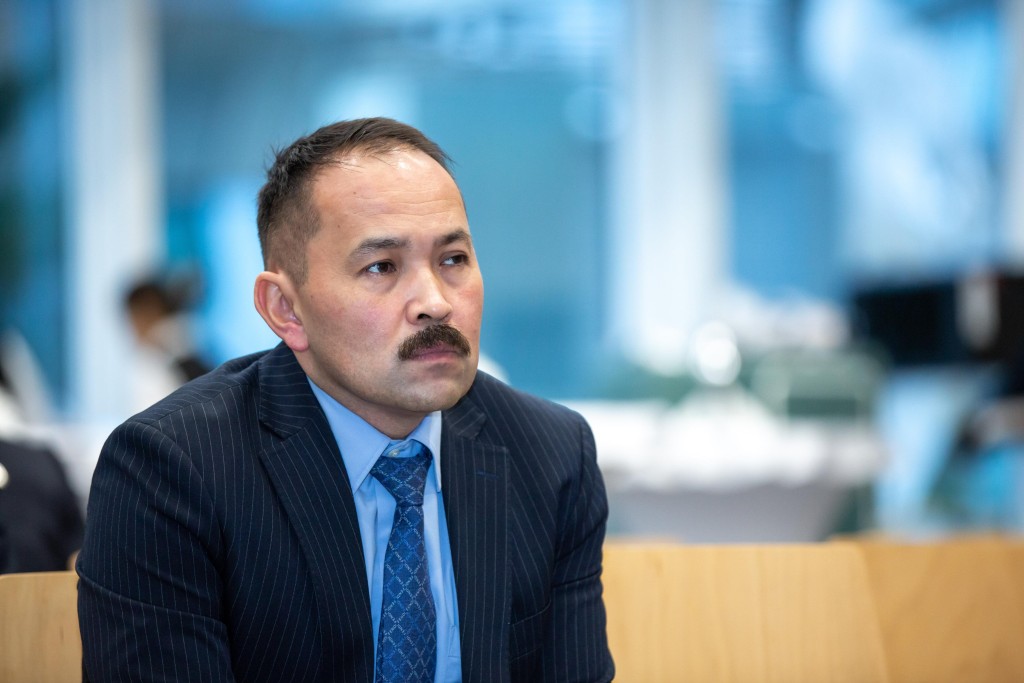
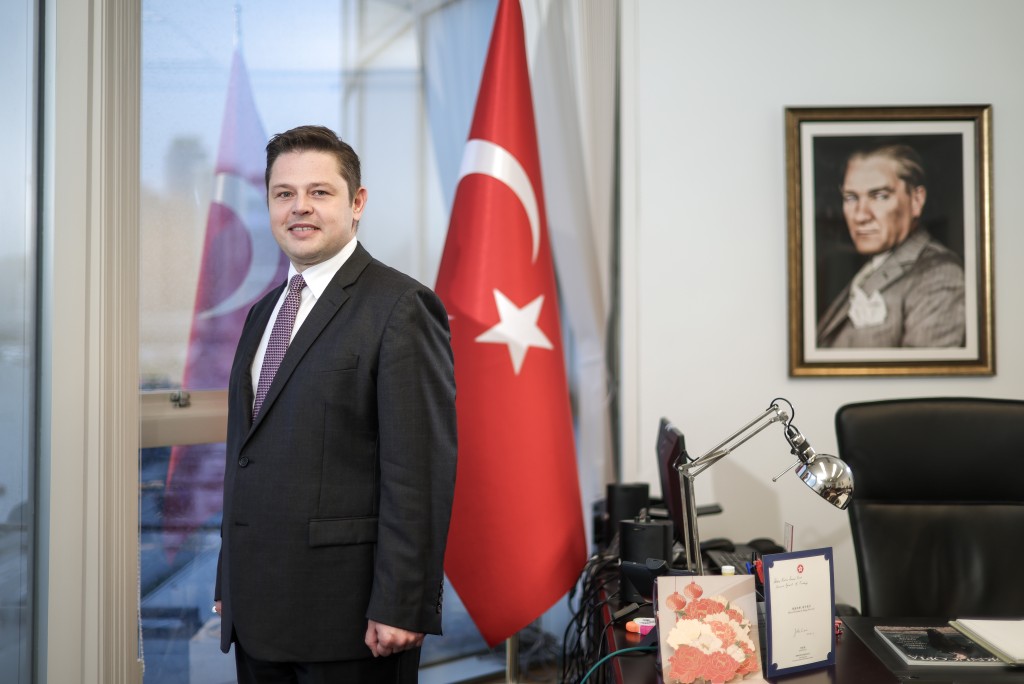
In an exclusive interview with The Standard, Qodirov Rustam Shuxratovich, deputy chairman of strategic development of Tashkent Invest Company Joint Stock Company, laid out Uzbekistan’s case for Hong Kong: from the city’s massive New Tashkent smart city project to the prospect of a Hong Kong bank branch opening on the ground.
When Chief Executive John Lee Ka-chiu visits next Thursday, Shuxratovich looks forward to reaching agreements that would cover investment cooperation, financial services, infrastructure development, and support for Hong Kong companies entering Tashkent projects. He also expresses interests in pacts on city development, green finance, transport, logistics, and professional services.
The World Bank has called the country “one of the world’s top reformers.” Growth has averaged 5 to 6 percent annually. The fast growth was due to President Shavkat Mirziyoyev’s liberalization of its som currency, courting foreign investment and opening tourism, since he came to power in 2016.
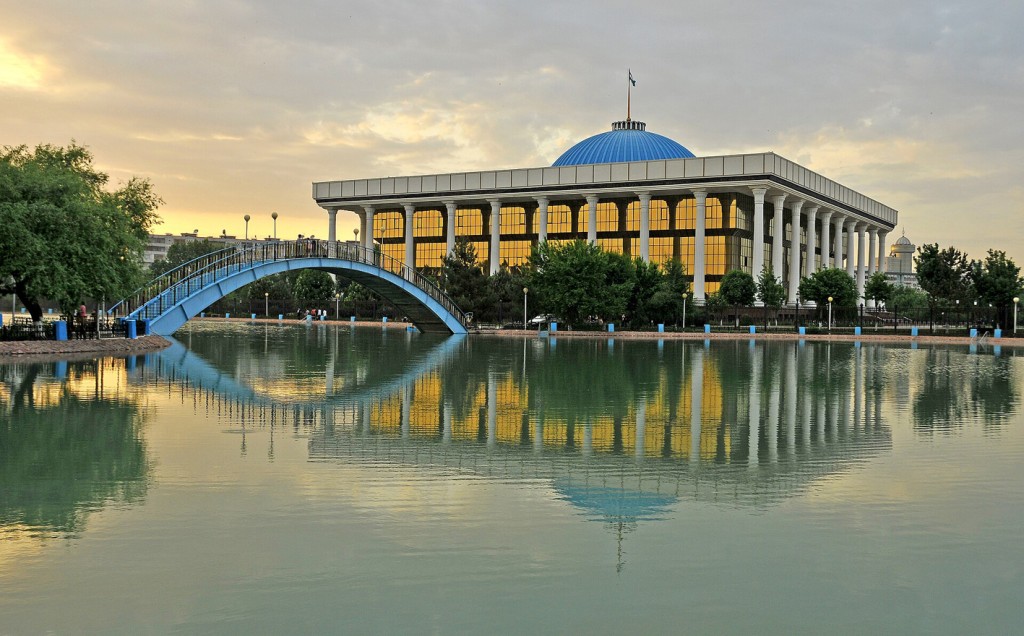
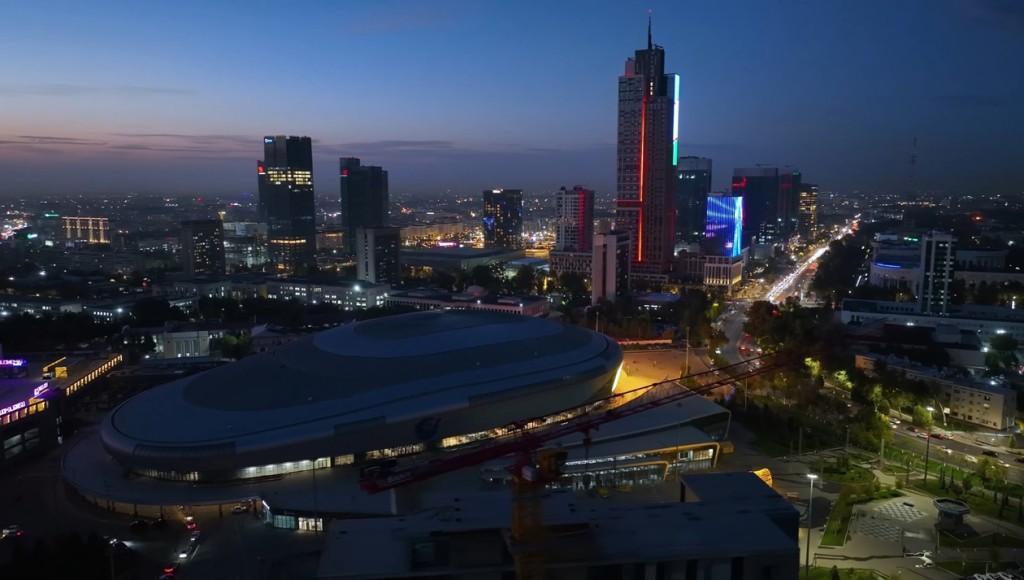
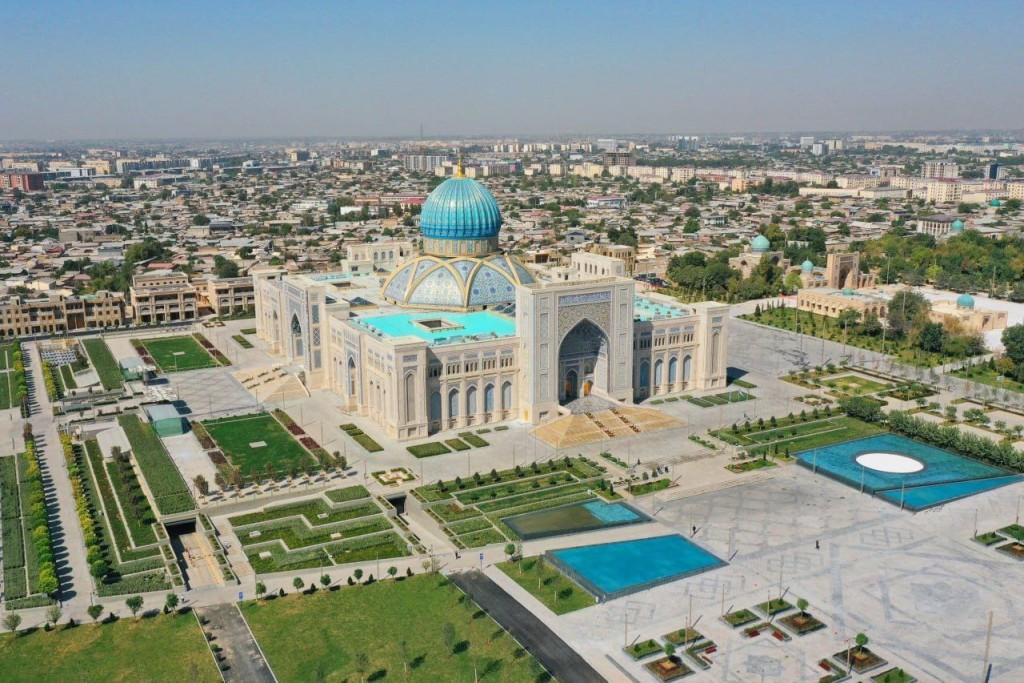
With a population of 38.2 million – the largest among the five Central Asian nations – Shuxratovich said Uzbekistan offers direct access to a wider regional market of over 150 million. The capital, Tashkent, is building Tashkent City, a modern financial district that contrasts sharply with the city’s Soviet-era architecture, vast squares, and statues of Timur. The country’s average age is under 30.
Hong Kong’s strengths – capital, structuring, professional services, logistics, and international standards – are exactly what Tashkent needs, Shuxratovich said. “This is why we see Hong Kong not only as an investor, but as a long-term partner in building the next generation of urban infrastructure in Central Asia.”
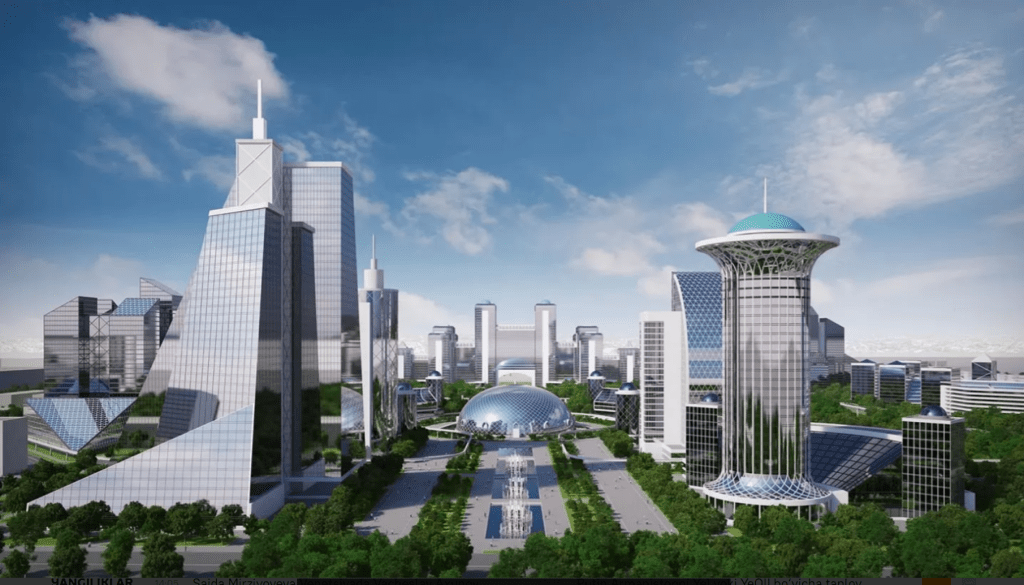
When asked for the single most important investment opportunity for Hong Kong businesses, Shuxratovich pointed to the integrated development of New Tashkent – a modern, green, smart urban district located east of the current capital, designed to relieve congestion and accommodate rapid population growth.
The project is to be worth US$20-25 billion (HK$156-195 billion) with core infrastructure targeted for completion by 2030. Tashkent currently has a 2.5 million population. Shuxratovich emphasized this is not an isolated real estate project, but a long-term city-building platform.
“New Tashkent is the clearest symbol of where Uzbekistan is heading: from rapid urban growth to planned, sustainable, and internationally competitive urban development.”
For those who find Uzbekistan’s legal and logistic systems too complex, he suggests: “Do not judge Uzbekistan only by old perceptions. Tashkent is ready to work with serious international investors in a much more practical and transparent way.”
Tashkent unveils US$25b investment drive: TIFC, digital hub, new airport
Tashkent has formed 717 investment projects totaling US$25 billion (HK$195 billion), including the Tashkent International Financial Centre, or TIFC, that uses common law and a new airport.
The US$25 billion portfolio involves over 300 renovation sites aimed at replacing outdated, low-rise buildings with modern, seismically sound infrastructure.
Many older structures no longer meet contemporary earthquake resistance standards. In the first phase from 2025 to 2026, 65 projects will modernize neighborhoods.
A key goal is to triple Tashkent’s green zones to 25,000 hectares by 2030, alongside reconstructing 100 kilometers of canal networks.
Headquartered in the modern Tashkent City district, the TIFC is expected to attract US$20 billion to US$25 billion in foreign capital by 2030. It operates under English common law with its own commercial court and arbitration center.
Investors benefit from free capital repatriation, unrestricted foreign exchange, access to digital assets, preferential tax regimes, and simplified visas. The TIFC is projected to contribute 1 percent of annual GDP growth and create 15,000 skilled jobs.
The “Enterprise Uzbekistan” digital hub operates under a special legal regime extending to 2100, incorporating a regulatory sandbox for artificial intelligence, research and development, startups, and data centers. By 2030, it aims to attract 1,000 tech companies, create over 300,000 jobs, and generate US$5 billion in exports.
The center permits foreign currency salaries, ensures IP protection, and offers tax and customs incentives.
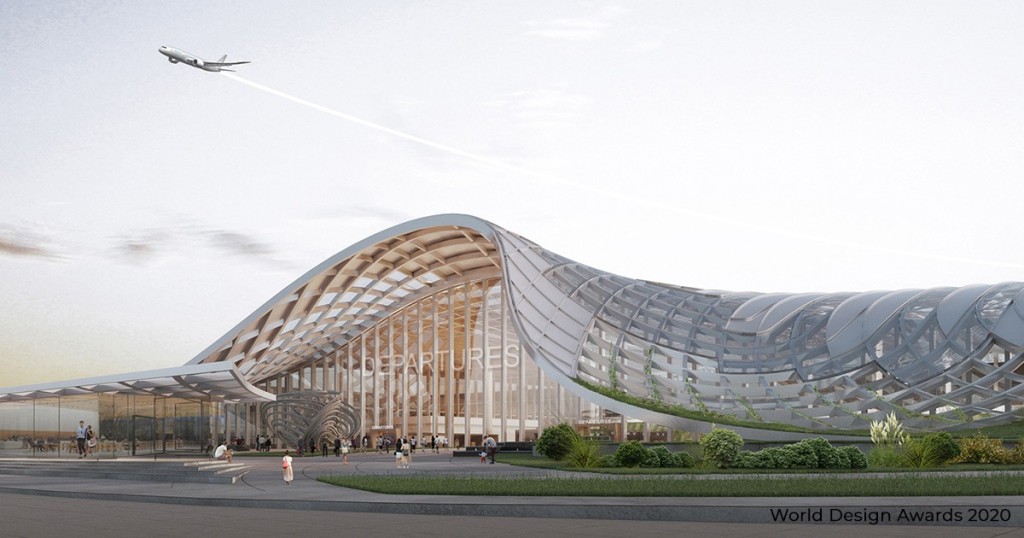
Construction of a new international airport for Tashkent begins in June 2026, led by an international consortium.
The first phase features a 208,000-square-meter terminal and two 4-kilometer runways, with a projected annual capacity of 20 million passengers. The total project cost is estimated at US$4.5 billion.
Meanwhile, its existing airport opened a new departure hall in September 2024, expanding it to 65,000 sq m.
Bank branch and direct flights: the missing financial, practical links between Hong Kong and Uzbekistan’s capital
A Hong Kong bank is considering opening a branch in Tashkent, Shuxratovich confirmed, though he declined to give a specific timeline.
For Hong Kong capital to enter Uzbekistan at scale, he said investors need familiar financial channels, reliable banking infrastructure, international compliance standards and easier access to project finance. “A Hong Kong banking presence in Tashkent would send a strong signal to the market: that financial connectivity between Hong Kong and Uzbekistan is becoming practical, not only political.”
Even before a branch opens, he said the two sides are working to strengthen banking cooperation, improve investor confidence, and create a more convenient financial bridge between Hong Kong and Tashkent.
Direct flights between Hong Kong and Tashkent remain unavailable – a practical hurdle for investors, business delegations and tourists alike. Shuxratovich confirmed that air connectivity is one of the practical issues raised during ongoing discussions.
“Today, investors, business delegations and tourists can travel between Hong Kong and Tashkent through connecting routes, but direct flights would clearly accelerate business activity,” he said. “For us, this is not only about aviation; it is about trade, tourism, investment and people-to-people links.”
He cautioned that a direct route must be commercially viable and agreed upon the relevant aviation authorities and airlines. He expressed hope for more concrete progress after the current round of discussions, but said Tashkent prefers to announce dates only when airline and regulatory arrangements are ready.