For years, Hong Kong delegations returned from Central Asia with little more than handshakes and tea. Today, that changes.
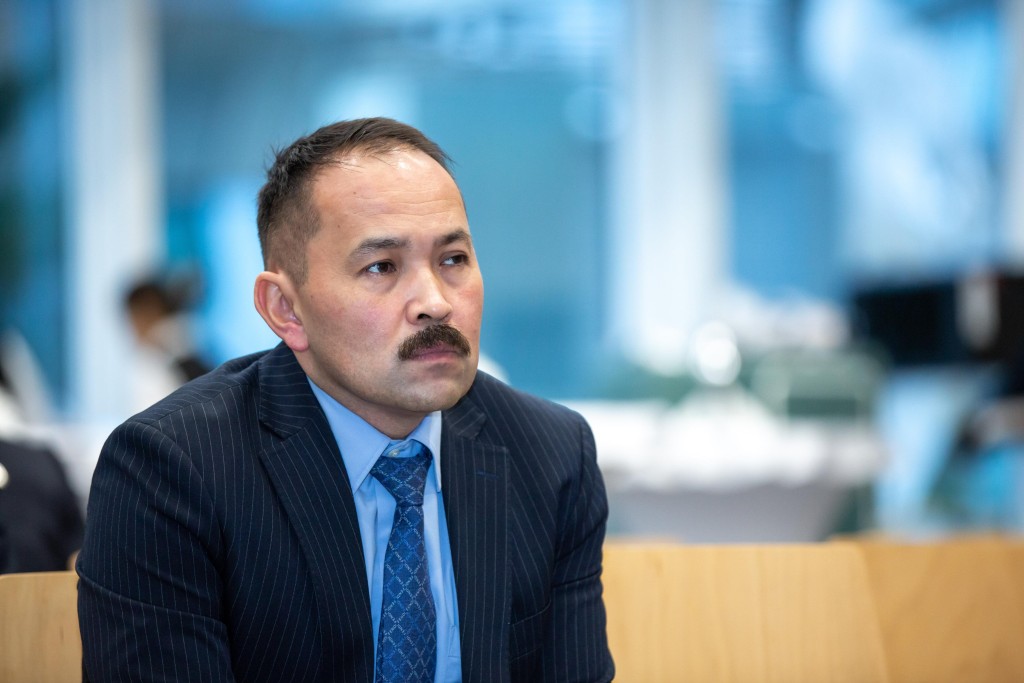
“The region was just interesting, never urgent or super profitable,” Rassul Rysmambetov, chairman of the National Analytical Center at Nazarbayev University told The Standard. “It’s a different story now. The wars in Ukraine and the Middle East, sanctions, China’s western trade routes, and the Belt and Road Initiative’s Middle Corridor have changed the map. Central Asia is becoming a strategic corridor between China, Europe, Russia, the Middle East, and South Asia.”
He added: “This is probably the best timing.”
Kazakhstan is uniquely positioned, combining resources, logistics, and financial infrastructure through the Astana International Financial Centre, which uses common law.
On the most immediately viable financial products, Rysmambetov pointed to yuan or dual-currency bonds for quasi-state, infrastructure, and resource companies. Exchange-traded funds could follow, with AIFC officials already discussing connections with Hong Kong and Shanghai, but he cautioned that significant technical work remains.
Last year, the Development Bank of Kazakhstan issued a 2 billion yuan (HK$2.3 billion) dim sum bond in Hong Kong.
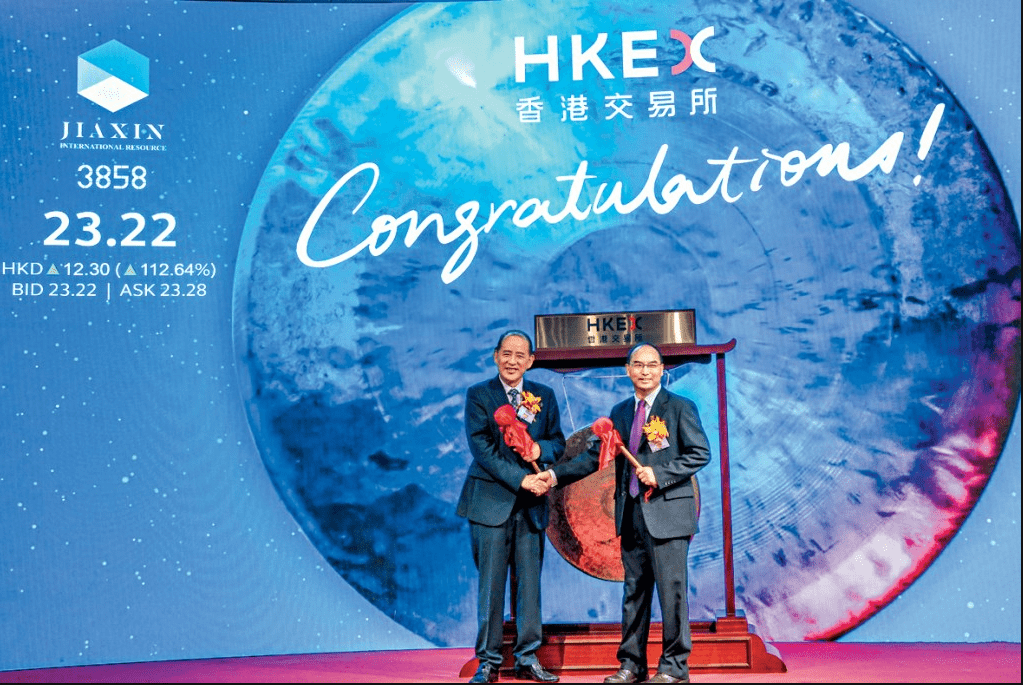
Also, Jiaxin International Resources became the first company to complete a dual primary listing on both HKEX and the Astana International Exchange. “For Kazakh companies, the message is clear: improve governance, disclosure, and investor relations, and you can access a deeper Asian investor base.”
Jiaxin International is the first company dually listed in Kazakhstan and Hong Kong last August.
He predicted mining, infrastructure, logistics, energy transition, and financial firms would be first movers. “This will never become a mass market, but it can become quite a trend.”
On digital assets, Rysmambetov drew a sharp line. “The most solid area is not crypto, but regulated digital settlement, tokenized deposits, security token offerings, and stablecoins for trade finance.”
Hong Kong-based fintech firm AnchorX has introduced AxCNH, the world’s first offshore Renminbi (CNH)-pegged stablecoin licensed in Kazakhstan.
“We can connect Hong Kong’s regulatory credibility, Kazakhstan’s AIFC sandbox, and real trade flows with China,” he said.
Looking five years out, Rysmambetov sees the most optimistic picture as a genuine financial corridor with yuan bonds, ETF links, dual listings, stablecoin settlement, and green finance, positioning AIFC as Central Asia’s gateway for Asian capital.
What Hong Kong should bring to Kazakhstan
Kazakhstan needs Hong Kong’s expertise in processing, structured finance, yuan instruments, green bonds, and food processing technologies more than it needs its capital, says Rassul Rysmambetov, chairman of the National Analytical Center at Nazarbayev University.
“Capital is useful, but expertise is more important,” Rysmambetov said. “Hong Kong investors should come with technology, export markets, transparent governance, and a long-term plan.”
He cautions possible risks as well. The National Bank held its base rate at 18 percent in April, with inflation easing to 11 percent. Rysmambetov said a cautious cut is possible later this year. The Kazakh tenge has strengthened but remains exposed to commodity cycles and external shocks. Key risks include currency volatility, regulatory interpretation, and infrastructure bottlenecks. But the English common law framework at the Astana International Financial Centre, he said, remains a cornerstone of investor confidence.
“The next stage is more listings, more cases, more precedent.”