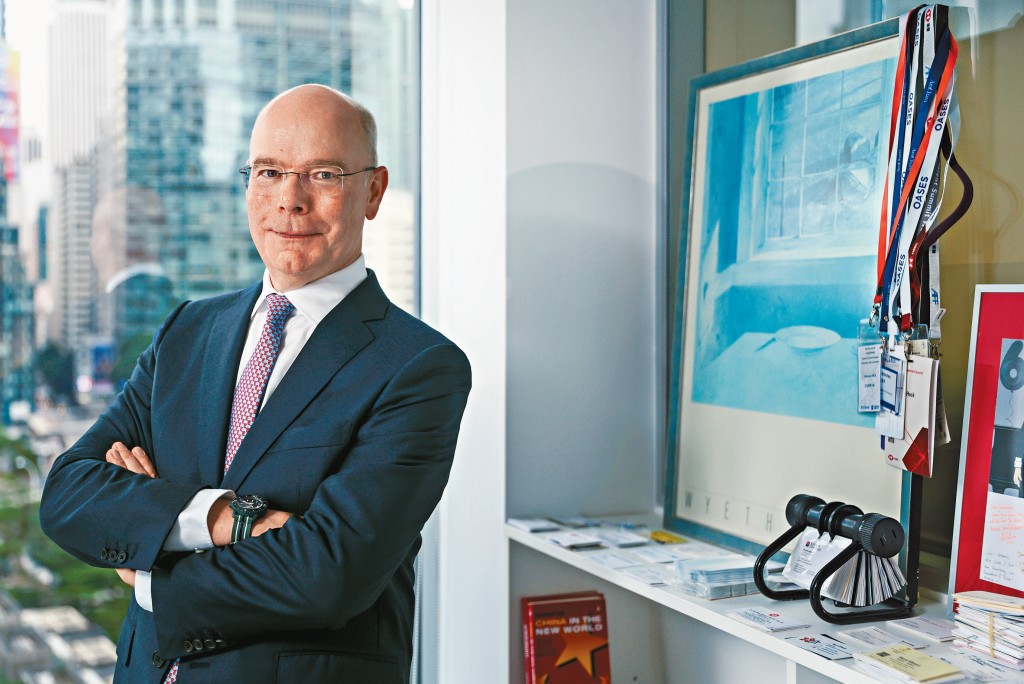
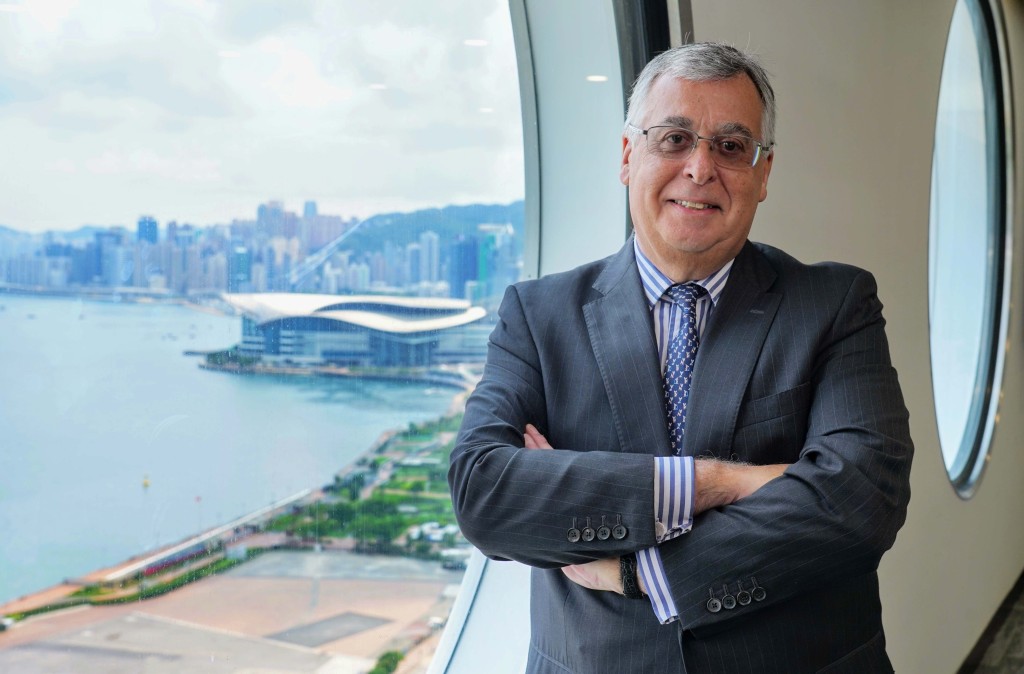
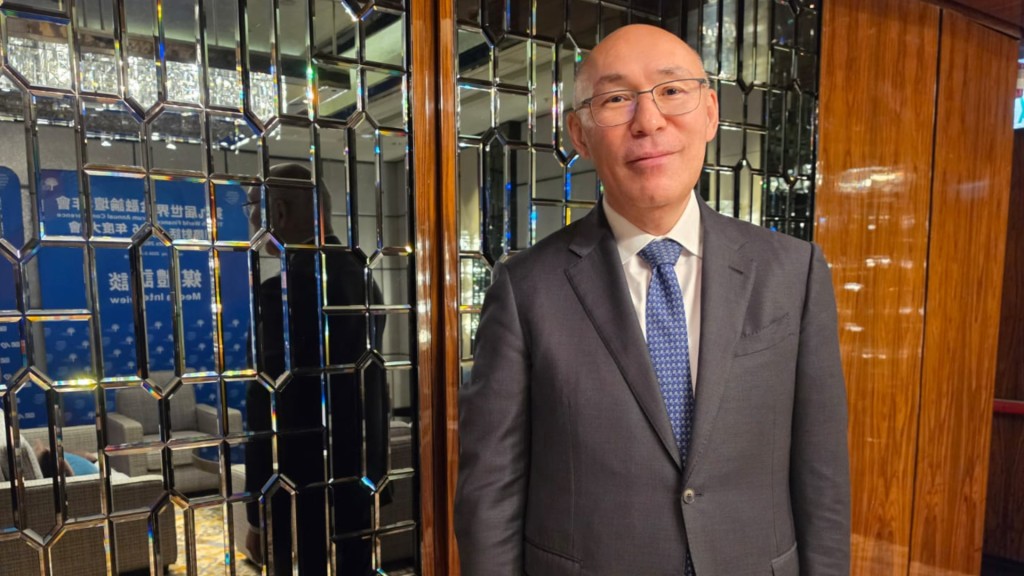
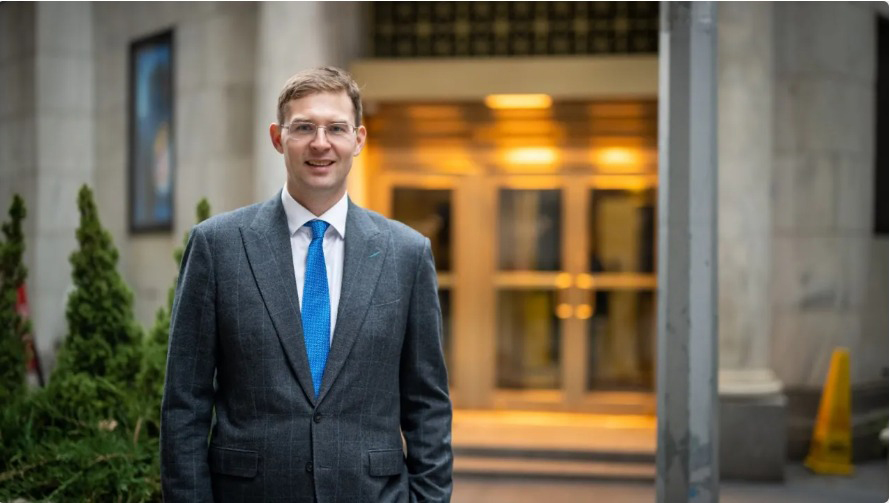
Canadian innovation and technology firms are “matches made in heaven for working with Hong Kong,” Consul General of Canada to Hong Kong Charles Edwin Reeves said in an exclusive interview with The Standard, citing how Canada's global leadership in clean technology, sustainable financial technology, and risk management are in line with Hong Kong’s economy as the world’s third most important financial center.
Reeves also pointed out business opportunities in Hong Kong for Canadian companies in life sciences, health technology, and sustainable living sectors, referencing the city’s aging population and compact green spaces as key factors driving demand.
He emphasized that many platforms exist for Canadian firms, including those from food and beverages and advanced manufacturing industries, to enter the Hong Kong market under the broader Indo-Pacific Strategy, mentioning platforms like FinTech Week and health science exhibitions.
Reeves cited the Transpacific Entrepreneurial Conference, held in January by the Canadian Chamber of Commerce, as a major event bringing together academics, business leaders, and investors from Canada, Hong Kong, and other Asian economies. The conference offered a valuable opportunity for Canadian companies seeking to expand into Hong Kong and mainland China.
With approximately 3,000 members in Hong Kong, the Canadian Chamber of Commerce ranks among the largest Canadian chambers globally in terms of engagement.
Reeves also highlighted the presence of more than 200,000 Canadian university alumni in Hong Kong, noting that Canada’s multicultural and multilingual society provides a welcoming environment for international students and fosters collaboration across cultures to “celebrate distinctness but collaborate as one.”
Heart-shaped Baker Lake in Quebec surrounded by maple trees.
Niagara Falls
On settling down and starting a new life in Canada, Reeves recommended understanding local communities and connecting with fellow new immigrants to find a sense of family, noting that there are a lot of community groups in Canada that help newcomers resettle. Reeves described Hongkongers as a great fit for Canada, as the people in both places are very sociable.
He also believes that the connection between Hong Kong and Canada runs deep not just diplomatically, but also on a personal level, as Canadians and Hongkongers are closely intertwined. He shared several success stories of Hong Kong-Canadian individuals, expressing pride in his role as Consul General to Hong Kong.
Canada's cultural melting pot cities
With over 13,100 Hong Kong students choosing Canada for their studies in 2024, the country remains a favored destination for world-class education. Reeves highlights the robust ties between the two regions, emphasizing how Canadian universities offer not just academic excellence but also a transformative cultural experience.
Renowned institutions like the University of Toronto, which ranked among the best globally, exemplify the quality of Canadian education. Reeves also points to the Tak Mak Scholarship, named after the esteemed medical professor at UofT raised in Hong Kong, as a testament to the success of Hongkongers within Canada’s academic sphere.
Beyond academics, Canada’s diversity and multiculturalism enrich the experiences of international students. Reeves shares how cities like Toronto – where around half of the population was not born in Canada – offer a unique blend of cultures, with languages like Cantonese and Spanish commonly spoken. Meanwhile, bilingual provinces like New Brunswick and Quebec immerse students in Canada’s French-English heritage.
Reeves acknowledges Hong Kong as a global leader in education, but sees Canada’s unique offerings as a bridge that strengthens the vibrant connection between the two regions.
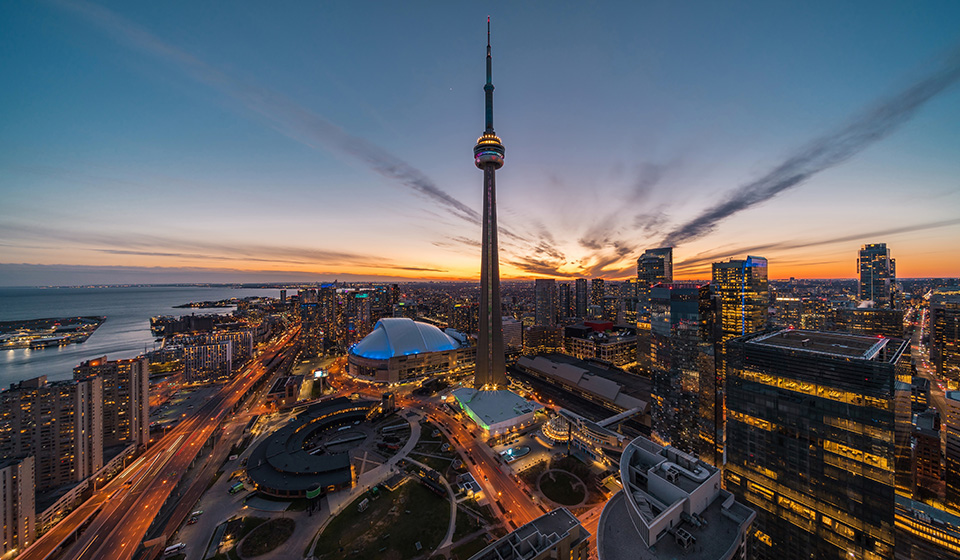
CN Tower is one of Canada’s national icons.
Lake Louise in Banff National Park
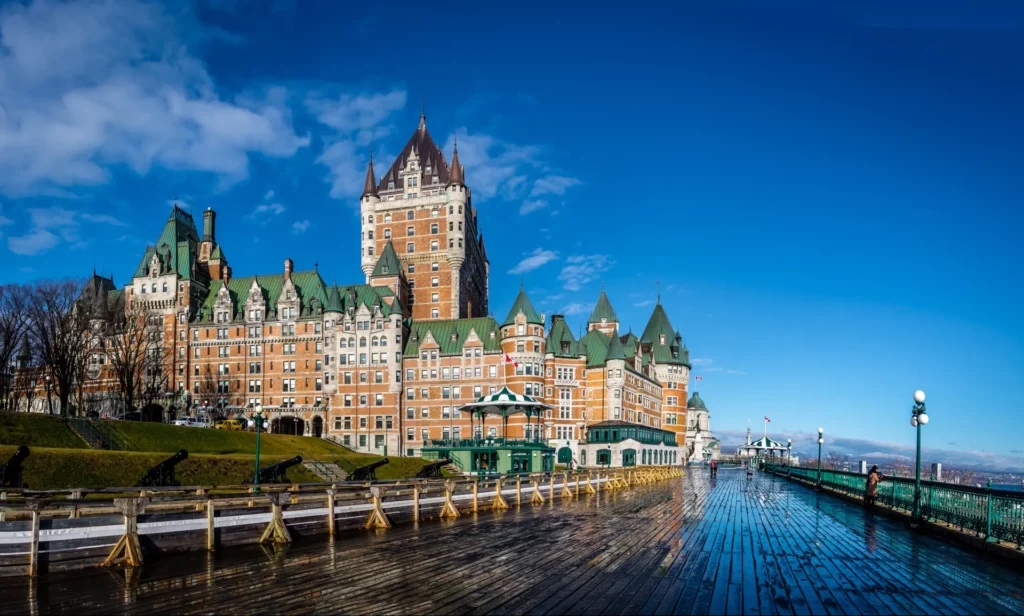
Frontenac Castle and Dufferin Terrace
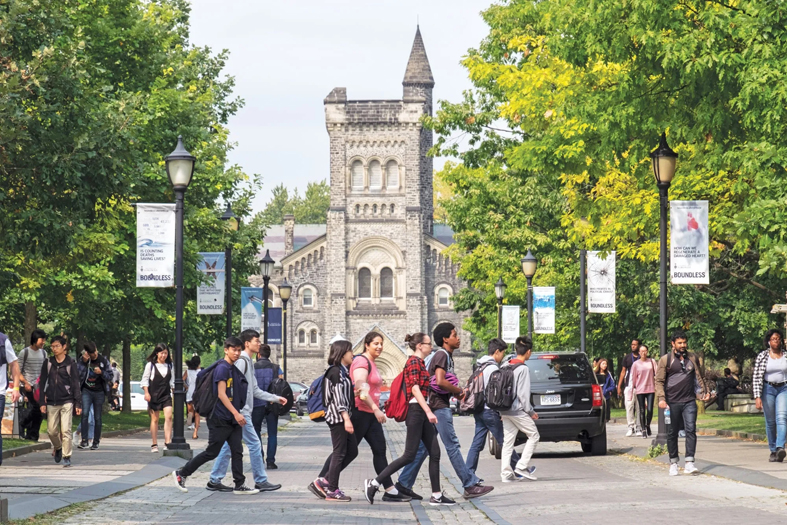
University of Toronto
Remembering HK-Canada's shared history from WWII
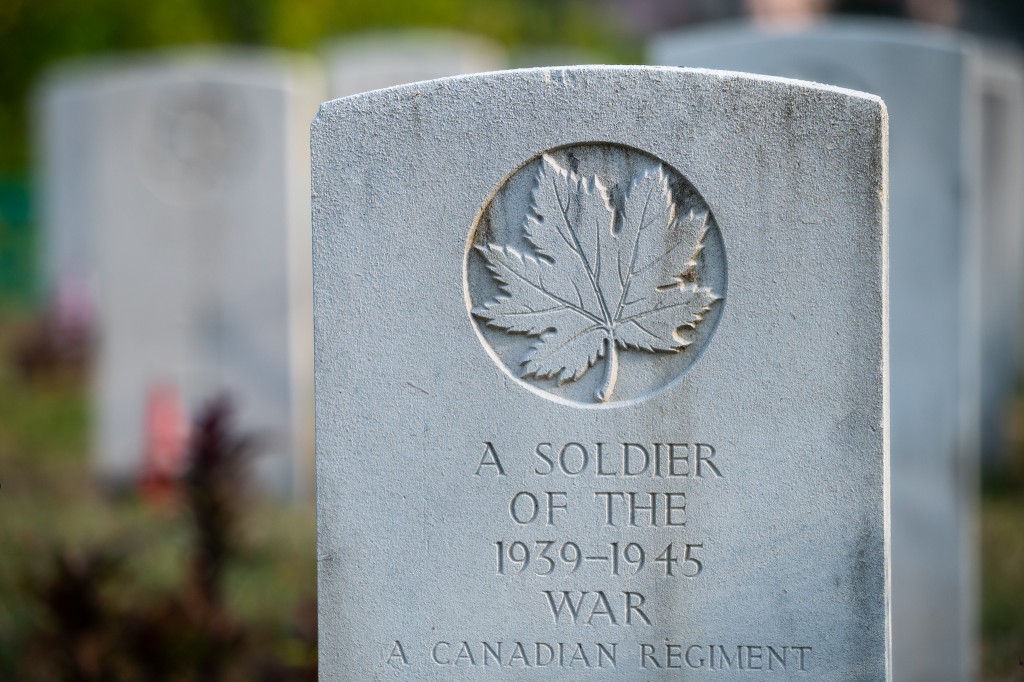
The story between Canada and Hong Kong can be traced back to Sai Wan in 1941, when 1,975 Canadian soldiers fought to defend Hong Kong during World War II, said Reeves.
Last December marked the 78th Canadian Commemorative Ceremony to honor the Canadian soldiers who gave their lives defending Hong Kong against the Japanese in World War II.
This fragment of history, albeit important, is often lesser known among the newer generation in both regions. In order to help youths recognize and appreciate the deep historical ties between Hong Kong and Canada, the consulate has been engaging with youth groups and Canadian schools in Hong Kong to raise awareness.
At the yearly ceremony in Sai Wan War Cemetery to honor the Canadian soldiers, scouts from the First Canadian Scout Troop walk along the deceased soldiers' graves laying poppies along with dozens of teenagers, while students read aloud prayers and recite poetry in both English and French, according to Reeves. Attendees also sing the Chinese and Canadian national anthems.
The consulate initially intended to invite more people to advertise the ceremony last year, but limited their outreach as a gesture of respect to the victims of the tragic Tai Po fire in late November. Reeves expressed hopes to do a more significant outreach to promote the ceremony and increase community engagement in future years.
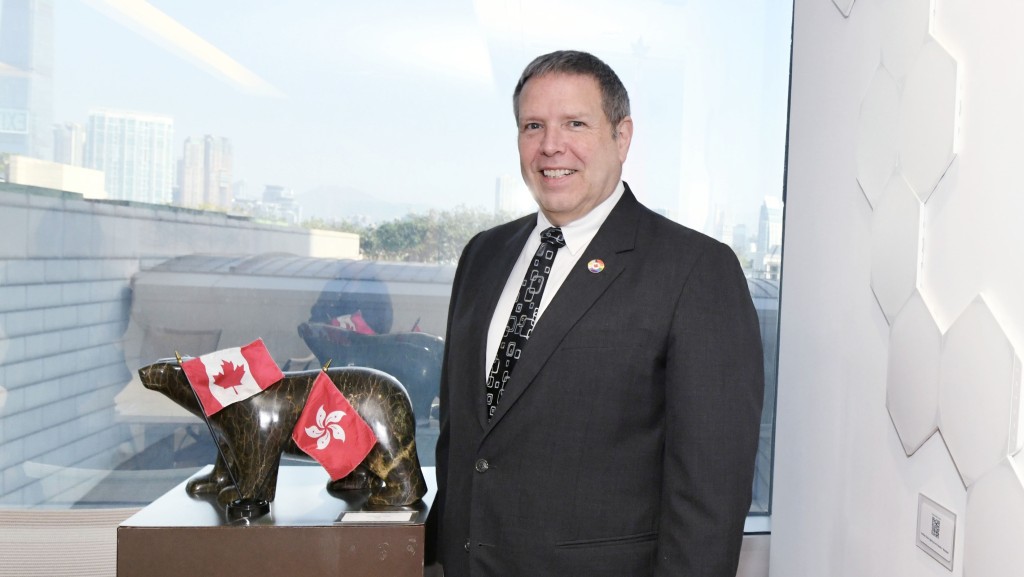
Charles Edwin Reeves said 1,975 Canadian soldiers fought to defend Hong Kong during World War II.