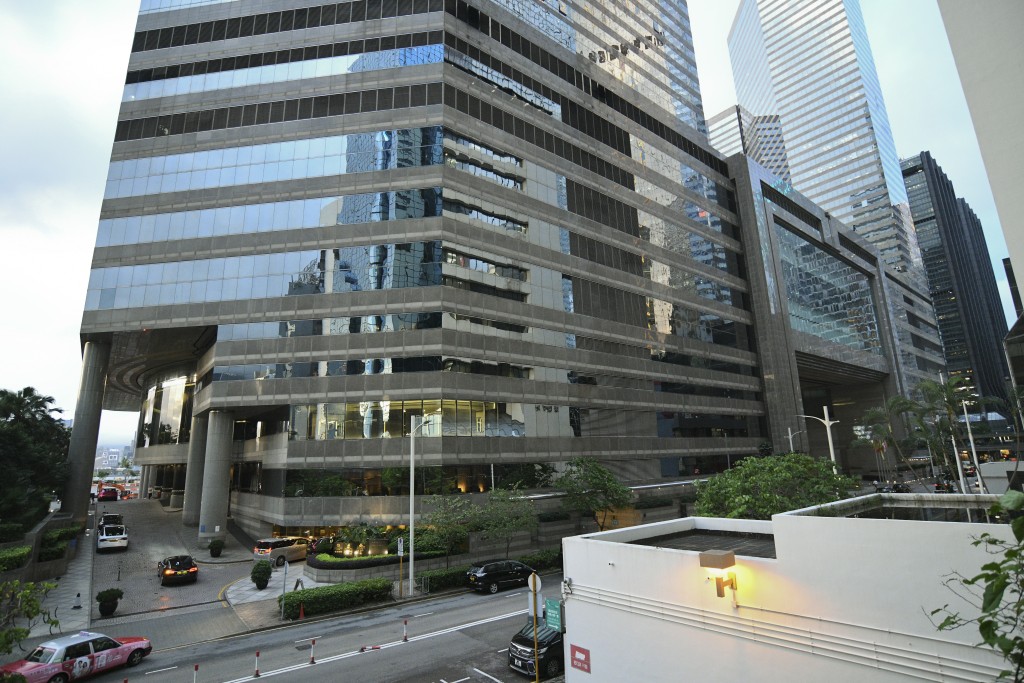
If one has to name the most iconic and historic hotel in Hong Kong, it would be none other than The Peninsula. Standing guard by the Victoria Harbour since 1928, the hotel boasts a grandeur that bespeaks a colonial legacy passed through the decades.
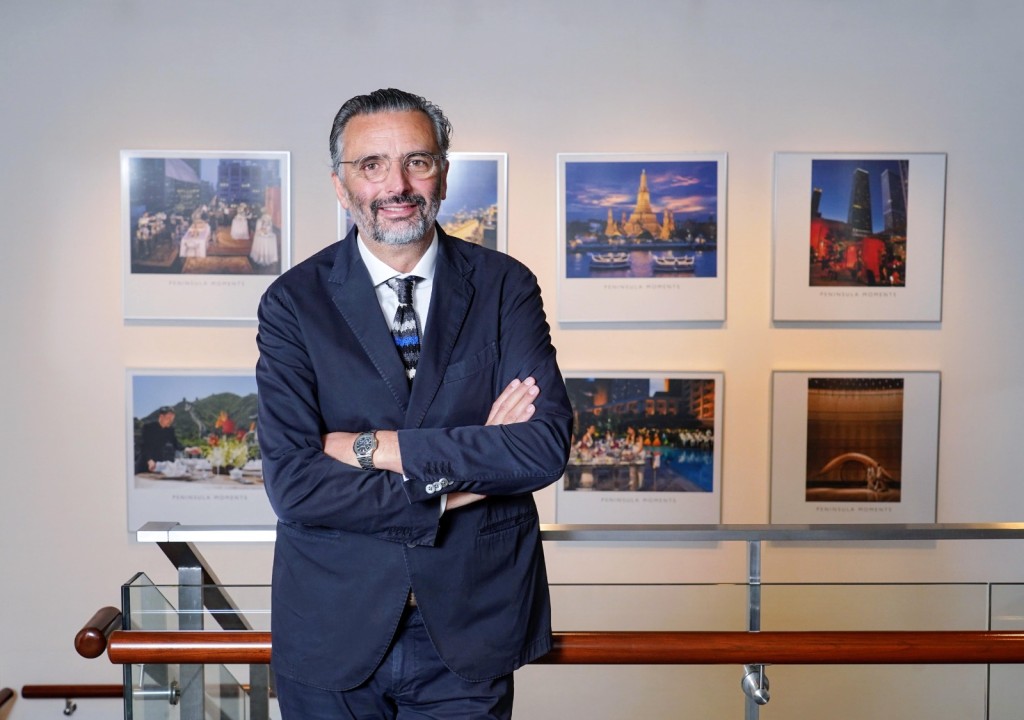
"When you have such heritage ... one really has to make sure that we also address the relevance," said Benjamin Vuchot, chief executive of Hongkong and Shanghai Hotels, the owner and operator of The Peninsula brand.
"[When people say,] 'My parents got married at The Peninsula,' or, 'My grandparents used to come to tea at The Repulse Bay'" – also owned by HSH – "[I say,] 'Great, but what about you? I would like you to come also.'"
Under Vuchot's leadership since last March, the company swung to an underlying profit of HK$105 million in 2025 from the previous year's loss. A key to his late success, arguably, is the balance between preserving the brand's legacy and innovating in concert with new trends.
An example he highlighted is the company's approach to its culinary offerings. On one hand, the company maintains the classic element of dining spaces like The Lobby – where afternoon teas are relished under an ornate high ceiling – and on the other, it ventures into trendier and more modest formats, such as the 24-seat Italian restaurant Primo Posto in Sheung Wan.
The Peninsula's sensitivity to the local environment is also expressed through art. In the "Art in Resonance" program unveiled earlier this month, one of the commissioned artists Angel Hui Hoi-kiu doused the hotel's facade and its signature Rolls-Royce vehicles in shimmery blue – a color reminiscent of Hong Kong's "Goldfish Street." It marked a relatively "daring" move for the venerable hotel, Vuchot noted.
Albeit a distinctively Hong Kong brand, The Peninsula commands a global footprint with 12 hotels in major cities, spanning from Tokyo to New York. Wherever the brand goes, its Asian roots are always carried with it.
"We always bring a touch of Asia, [such as] the lions that guard the doors of our lobbies," Vuchot said, adding that at the brand's core is "a very authentic understanding of what true hospitality means in Asia."
With the world now throttled by the war in the Middle East, his concern is the impact that surging oil prices might have on airlift capacity and people’s desire for travel, which directly affect hotel business.
Yet, the company remains confident in maintaining long-term growth. After all, “HSH has been operating for 160 years uninterrupted,” Vuchot said. After all, "HSH has been operating for 160 years uninterrupted," Vuchot said.
Riding Hong Kong's tourism comeback
Turning his gaze back to Hong Kong, Vuchot is greatly encouraged by its economic rebound. He sees a revival of long-haul travel to the city, citing the Tourism Board's report of double-digit growth in non-mainland visitors last year.
"This is something that we had all been waiting for for quite a few years: the return of the international scene," he said.
One of the "barometer[s] of the attractiveness of Hong Kong" to tourists, he believes, is the visitor numbers at the Peak Tram – a local landmark owned by HSH. "We've seen a very strong year-on-year growth of visitors using the Peak Tram and revenues associated with [it]," he remarked.
On policies aimed at stimulating tourism, Vuchot said the government's push to host more mega events locally is bearing fruit. Major sports events, especially, are injecting renewed momentum into inbound traveling.
“Sports is the new luxury,” said the luxury hotelier, expressing optimism in "strong visitations" for the Rugby 7s coming up in a few weeks.