Read More

Hong Kong stocks dip at open
16 hours ago
AI reshapes Hong Kong job market as graduate vacancies fall 60pc
22-09-2026 19:30 HKT


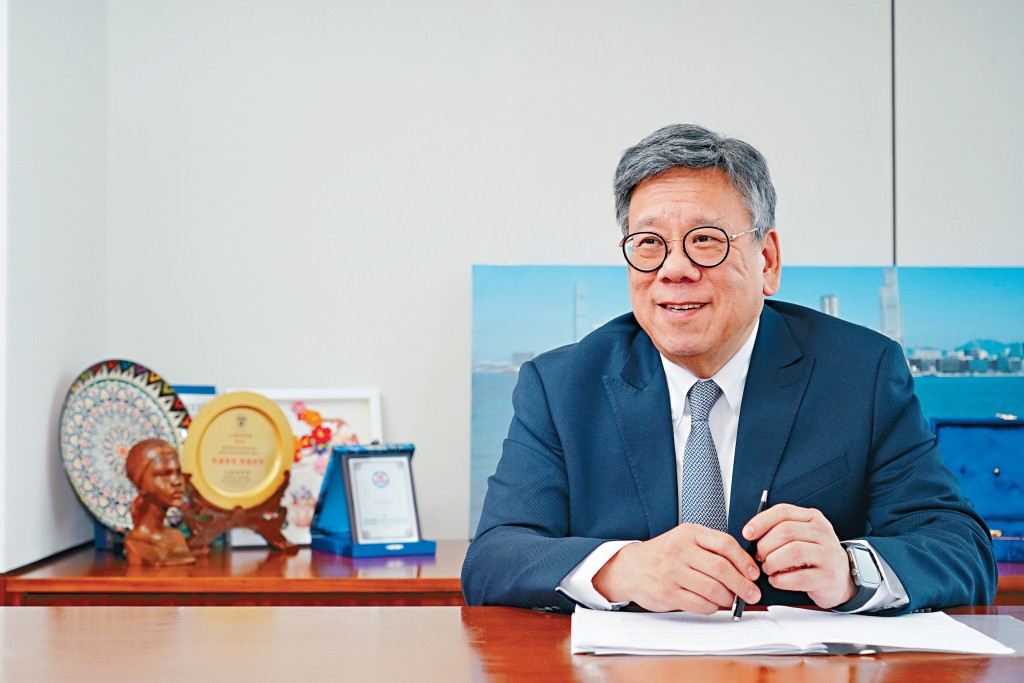
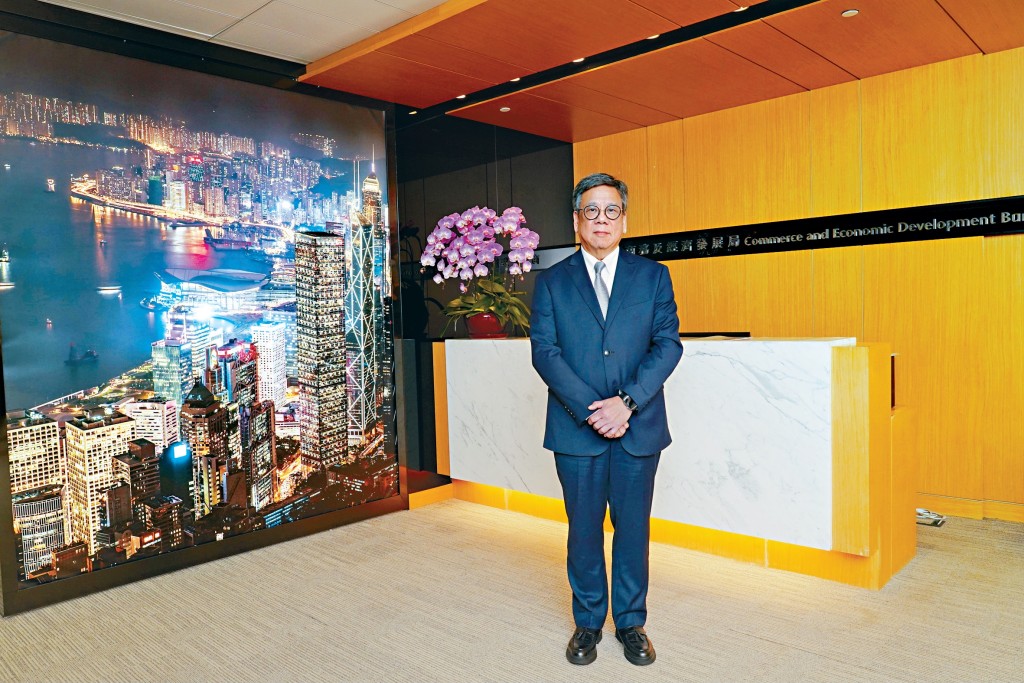
Hong Kong's trade is expected to sustain its momentum this year, while the Middle East tensions have a limited impact on the city, said Secretary for Commerce and Economic Development Algernon Yau Ying-wah.
In an exclusive interview with The Standard, Yau noted that the city's trade with the Middle East only accounted for 2 percent of the total merchandise trading value. The hiking energy prices, however, may add pressure on trade, as rising freight costs passed on to buyers are likely to cool the demand, he added.
Hong Kong's exports maintained strong growth in January and February this year, with 33.8 percent and 24.7 percent increases respectively, underscoring the city's status as an international trade center, Yau said.
Last year, the city recorded a "surprise" performance in trading, Yau noted. Hong Kong ranked as the world's fifth-largest trading entity in merchandise trade, up two places from 2024, according to the World Trade Organization's latest report.
Total merchandise trade saw a year-on-year increase of 17.5 percent to US$1.59 trillion (HK$12.4 trillion) in the city, behind mainland China, the United States, Germany, and the Netherlands.
Yau pointed out that the growth of trade in 2025 was largely boosted by strong re-exports of mainland goods, with Hong Kong re-exporting more than half of China's outbound shipments, and that the front-loaded trade amid the US tariff risks fueled the city's trade expansion.
Apart from benefiting from China's strong economy, the government is actively pushing for foreign trade expansion, backed by nine free trade agreements and 24 investment promotion and protection agreements.
Asean, Hong Kong's second-largest trading partner, delivered robust trading growth with the city in 2025, Yau said. He noted that there is room to further deepen trading with Asean and Northeast Asia, while the city is also actively expanding its trade footprint in emerging markets such as Kazakhstan, Uzbekistan, Hungary, and other economies in Central Asia, Eastern Europe, and Africa.
He revealed that Uzbekistan hopes to open a consulate in Hong Kong to deepen bilateral ties. Yau also shared about Hong Kong's vision of leveraging Egypt as a springboard to penetrate the African market, particularly for electronics.
"The demand for electronics in Africa has been strong for years," Yau said, adding, "In the 1980s, I've seen businessmen from Hong Kong boarding flights to Lagos with two huge bags full of second-hand Nokia handsets."
Meanwhile, Turkey – serving as a bridge between Europe and Asia – represents immense market potential, he said.
Also, numerous economic entities are seeking to leverage the Mainland and Hong Kong Closer Economic Partnership Arrangement, or CEPA, to tap into the massive Chinese mainland market, he said.
"Once establishing a presence in the city, foreign firms can become a Hong Kong company immediately and enjoy corresponding preferential benefits to access the mainland under CEPA," he added.
The city's trading pattern is also undergoing a transition, with trade growth primarily driven by air freight for high-value goods like electronic products; while the maritime sector is shifting its focus towards professional services, such as insurance, ship management, and green fuels bunkering or supply, including of green methanol.
Meanwhile, the digitalization of the city's trade facilitation has made commerce more efficient, he noted, citing the Single E-lock Scheme.
The scheme effectively reduces duplicate inspection by both mainland and Hong Kong authorities, with clearance points covering most first- and second-tier cities in the mainland.
But Yau warned that "in the future, geopolitical uncertainties like the Russia-Ukraine war and the Iran war, coupled with global trends of trade unilateralism and protectionism, will still pose risks to the city's overall trade."
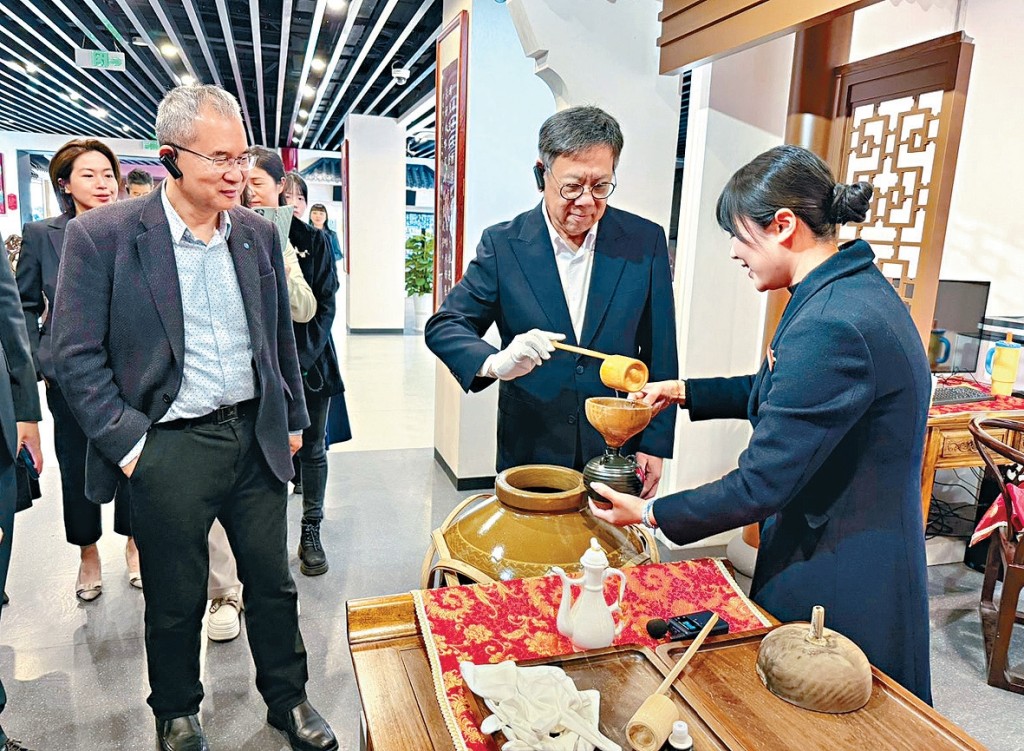
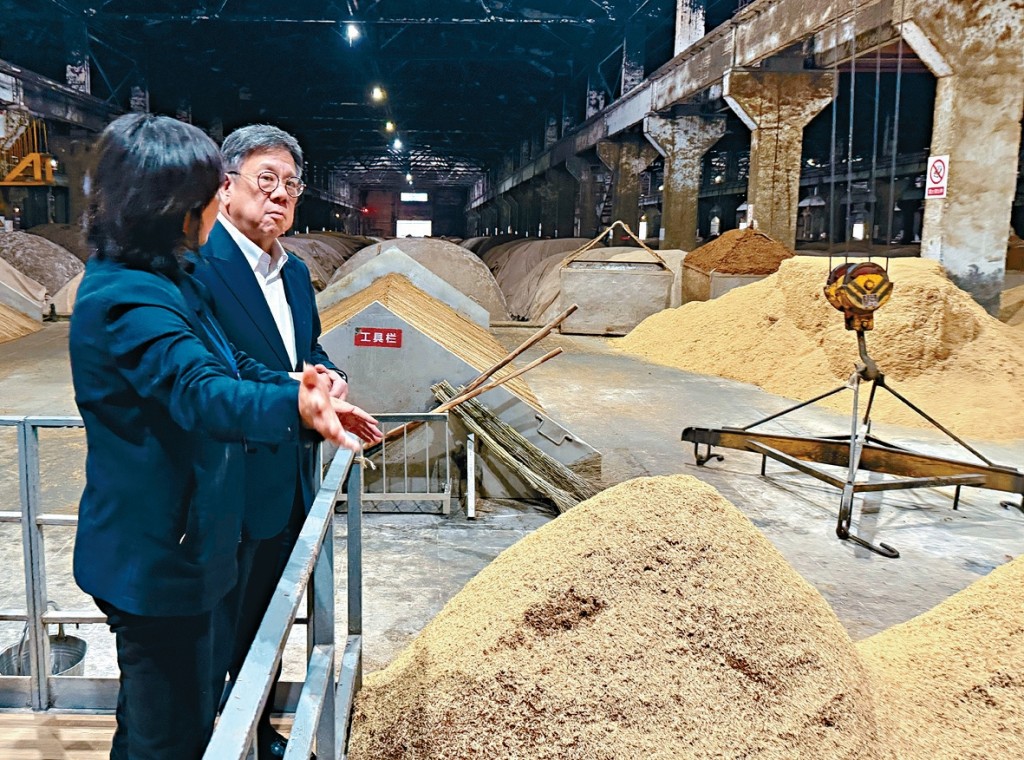
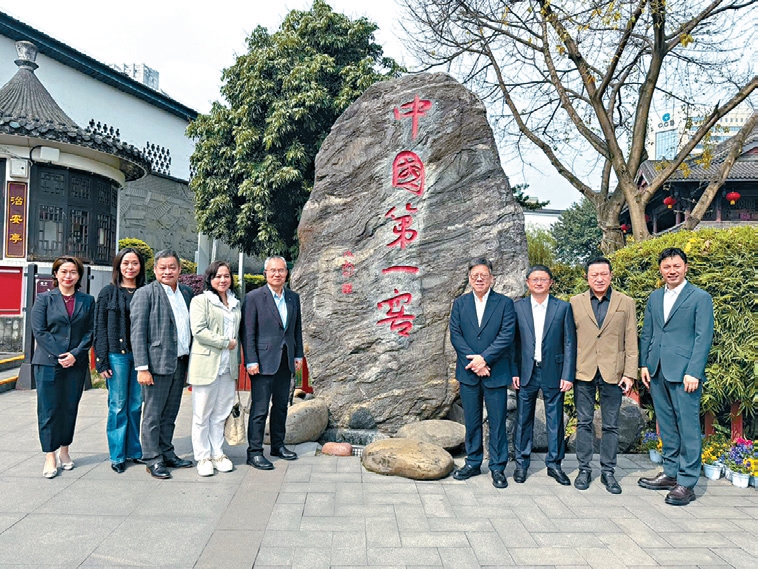
Hong Kong's "go global" strategies for mainland companies are not only about selling products, but also about exporting culture, said Algernon Yau Ying-wah, citing the millennia-old Chinese liquor culture.
With his recent visits to Guizhou and Sichuan, Yau noted that the Chinese baijiu industry can leverage Hong Kong's advantages as a liquor trading hub to go global, while the stories instilled in the bottles can spread overseas.
"By experiencing Chinese liquor culture through baijiu, foreigners will develop a deeper appreciation for Chinese culture," he said. "This cultural resonance can then translate into tangible economic and trade benefits, and even foster a stronger sense of identification with China."
Building on its experience in the wine trade, Hong Kong wants to facilitate the global expansion of renowned Chinese baijiu brands, such as Moutai, Luzhou Laojiao, and Wuliangye, Yau noted.
To help more mainland enterprises expand into overseas markets via Hong Kong, the Task Force on Supporting Mainland Enterprises in Going Global has launched a one-stop platform, offering service providers in areas of finance, law, accounting, branding and marketing, logistics, communication technology, infrastructure and real estate, as well as testing and certification, he noted.
Yau said that mainland firms seeking to go global have strong demands for the city's professional services, pointing specifically to growing insurance requirements.
"Facilitating more mainland companies to expand overseas is a 'win-win,'" he said, adding that those using Hong Kong as a springboard are expected to establish regional headquarters in the city, thereby stimulating the local economy and labor market.
Hong Kong also encourages these companies to conduct fundraising here to boost the city's initial public offerings and its overall market, he added.
Meanwhile, riding the wave of the supply chain reconfiguration in mainland China, Hong Kong can seize the opportunities to develop into a high value-added, multinational supply chain management center, he said.
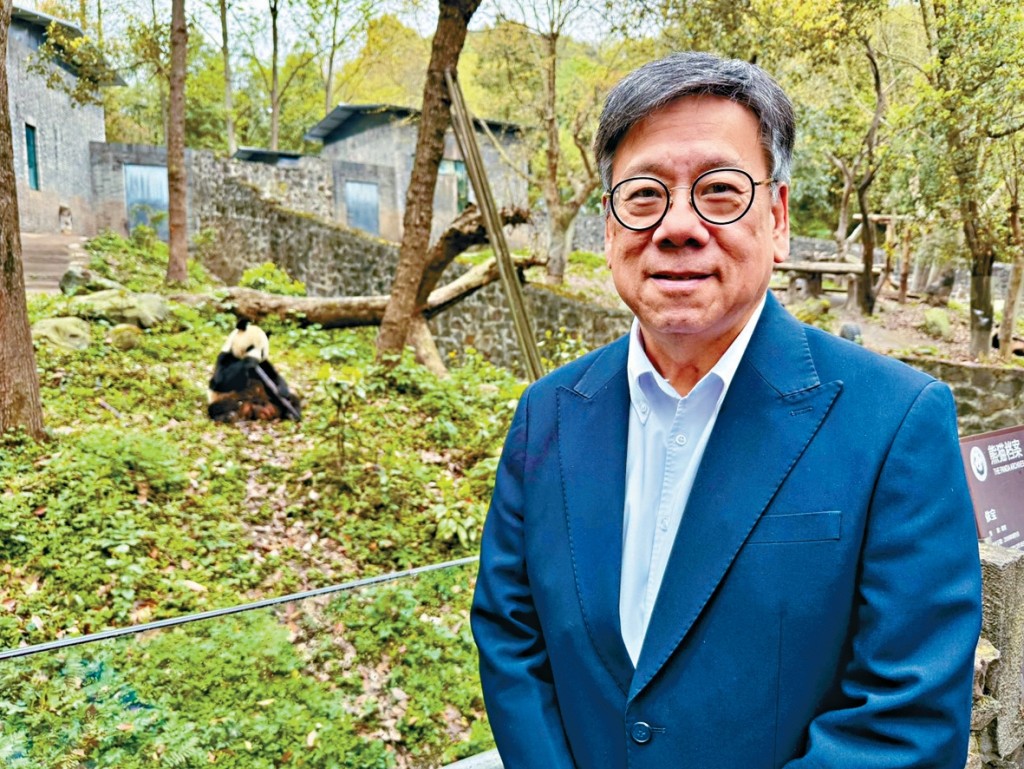
Separately, Yau also visited the Dujiangyan Base of the China Conservation and Research Centre for the Giant Panda, as well as the Dujiangyan water conservancy project in Sichuan, where he felt the region's cultural confidence and gained deeper insight into the splendid Chinese culture.
Hong Kong strives to become a regional intellectual property trading center, with the IP sector contributing about 30 percent of the city’s gross domestic product and total employment, according to Algernon Yau Ying-wah.
"Trade marks, patents, and innovations are all IP assets. Their commercial activities, such as buying, selling, licensing, and franchising, have a significant direct and indirect impact on a large part of the economy," Yau noted.
The government is now working to scale up IP trading and valuation, along with stronger substantive patent examination, with aims to boost IP businesses and yield economic benefits, Yau added.
At the end of March, the government completed the consultation on the IP tax deduction, and the amendment bill will be introduced this year, he said.
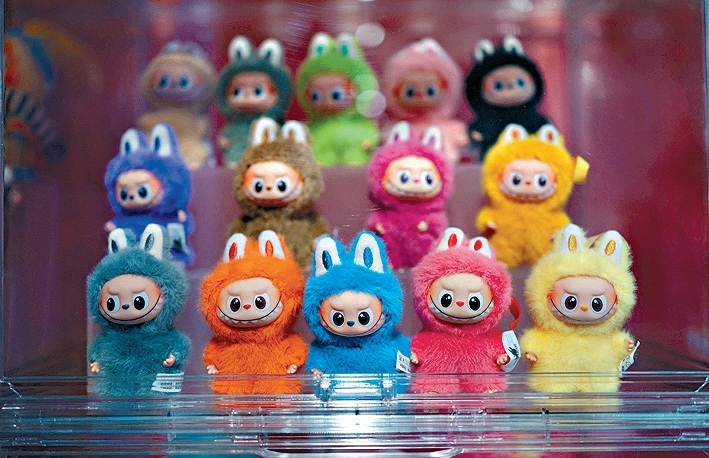
Yau also pointed out that "leveraging Hong Kong's comprehensive IP regulations, IPs registered in the city are eligible for fast-track examination in the mainland, making it easier for firms to enter the mainland market, as seen with the popular character Labubu."
Moreover, Hong Kong plans to expand its team of patent examiners to about 100 members, with training provided by the China National Intellectual Property Administration, he noted, adding that the city aims to acquire institutional autonomy in conducting substantive patent examination by 2030.