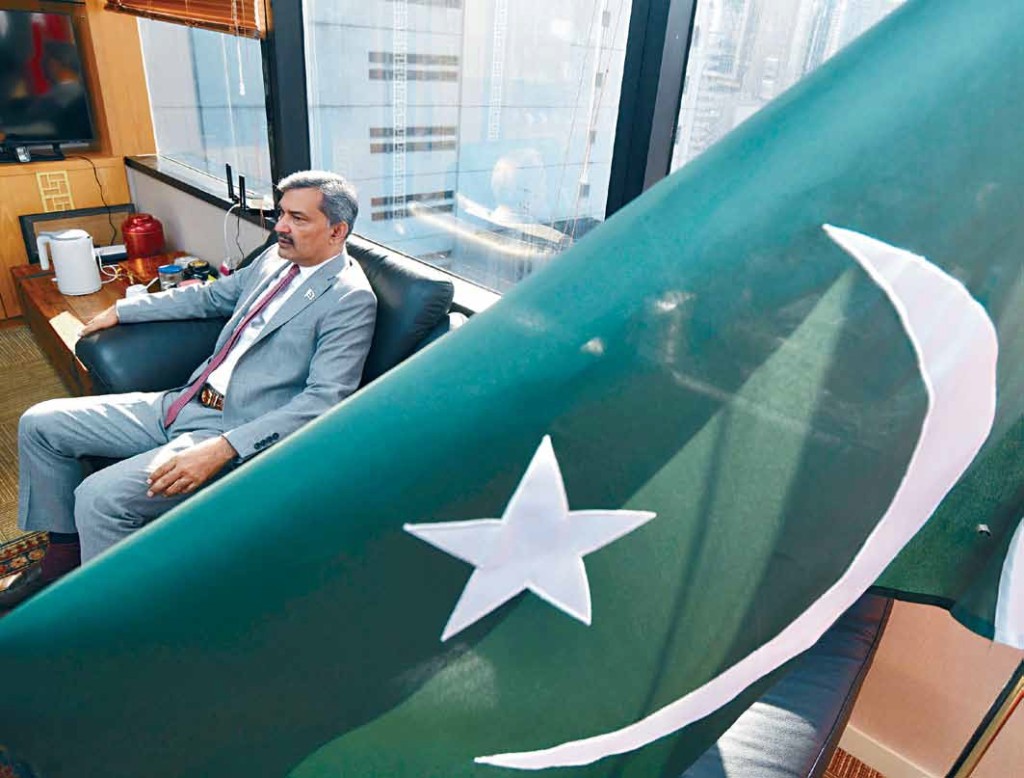
As Hong Kong amps up its hospitality to Muslim tourists, Pakistan, whose importance has continued to rise in recent years, is actively engaging with partners to restore direct flights between the two places, the country’s top envoy to the city said.
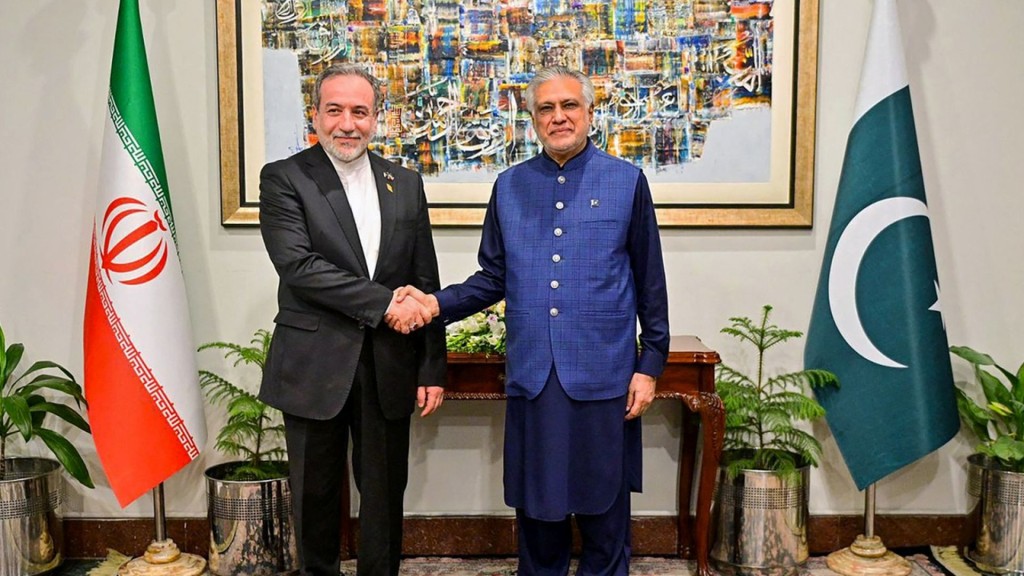
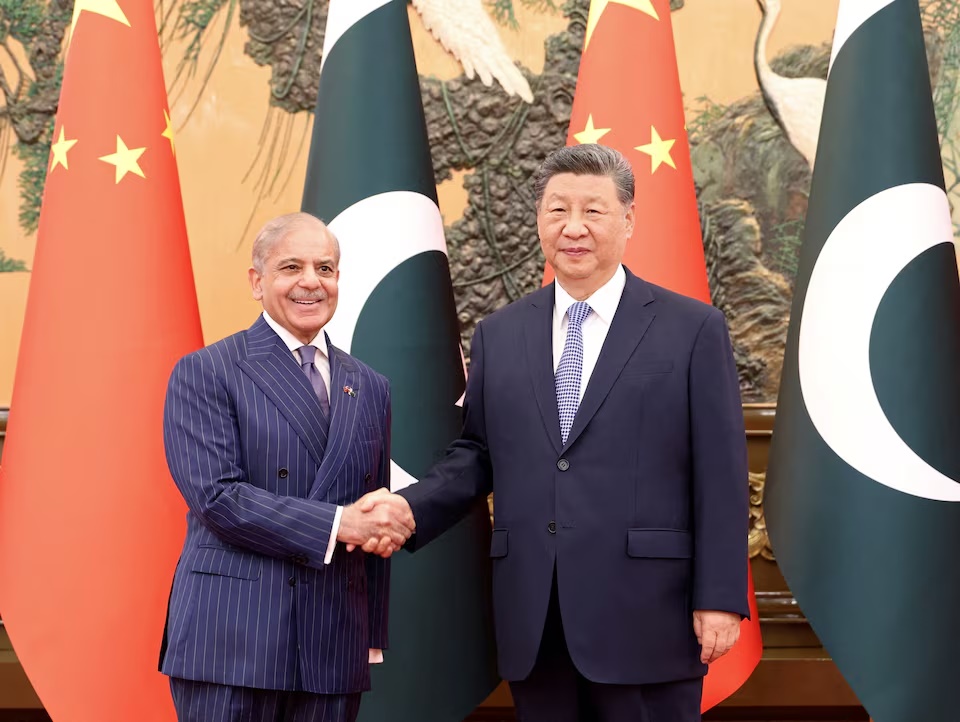
This comes as the Pakistani foreign minister met his Chinese counterpart yesterday and discussed the situation in Iran, after hosting talks with neighboring countries to broker an end to the war.
“There were only 100 halal-certified eateries and restaurants a year ago, and now the number has crossed 300,” said Riaz Ahmed Shaikh, Consul General of Pakistan in Hong Kong in an interview with The Standard.
Some five-star hotels have started offering Muslim cuisine and prayer arrangements, alongside several supermarkets which have also introduced halal food products, he said, commending Hong Kong for embracing different cultures.
Some halal-processed foods which the country exports to Hong Kong, like nuggets and kebabs, are also accepted by communities other than Muslims, Shaikh said. Explaining that halal is a complete concept and ecosystem, he said that “it’s not that if it is not pork, it is halal,” adding that “even for chicken, lamb, and other products, the way they are being cut and then processed all count toward the halal [certification].”
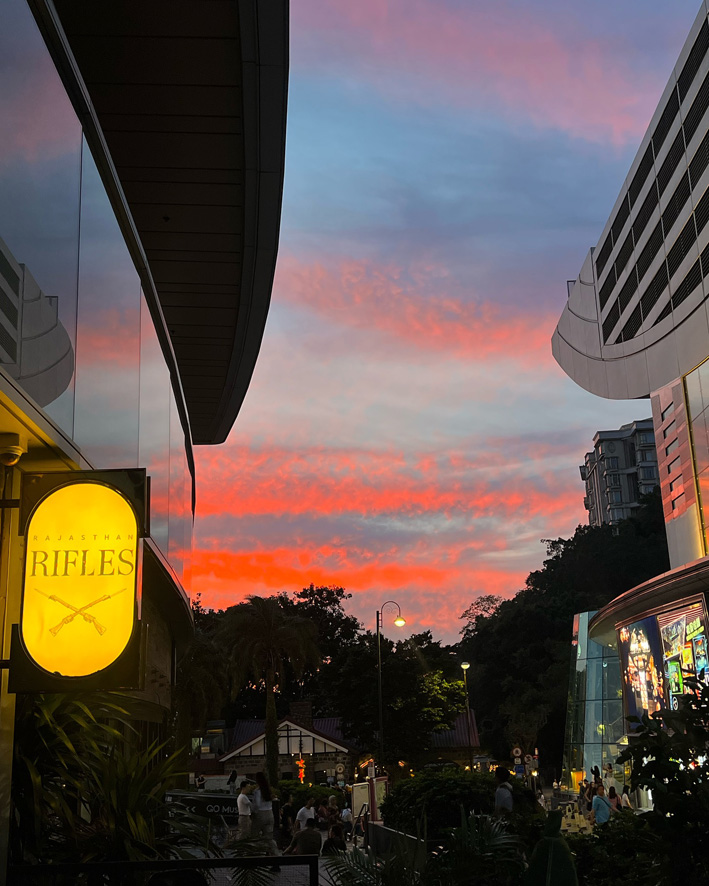
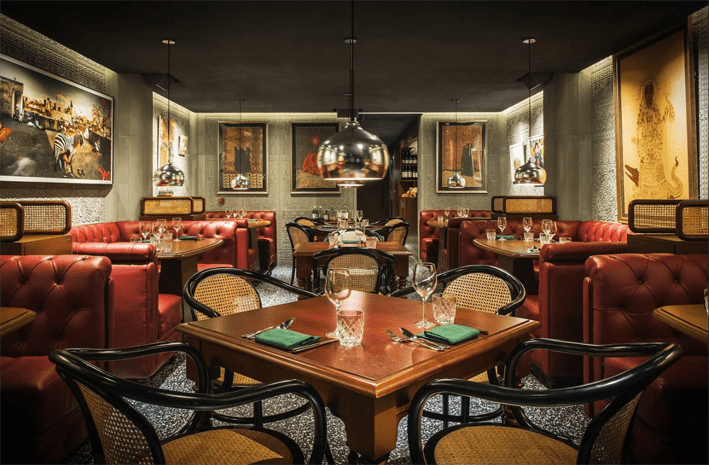
He also shared two of his favorite Pakistani restaurants in the city: New Punjab Club in Central and Rajasthan Rifles at the Peak.
Shaikh said he and his predecessors have been trying to reinstate direct flights between the two regions over the past 10 years, recognizing the value of direct connectivity in facilitating travel and trade and in strengthening ties between families and friends.
Since Hong Kong placed a red outbound travel alert on Pakistan in 2014, discouraging non-essential travel over security concerns, direct air transport between the two has come to a halt.
For now, Hongkongers would have to go to Guangzhou for a non-stop flight to Pakistan, or have a stopover in Thailand or Qatar. Despite the inconvenience, Shaikh said the consulate receives more than 2,000 business and tourist visa applications every year, and the number is expected to grow in coming years. Hongkongers can apply for an e-visa for free 48 hours before entry and stay for up to 90 days.
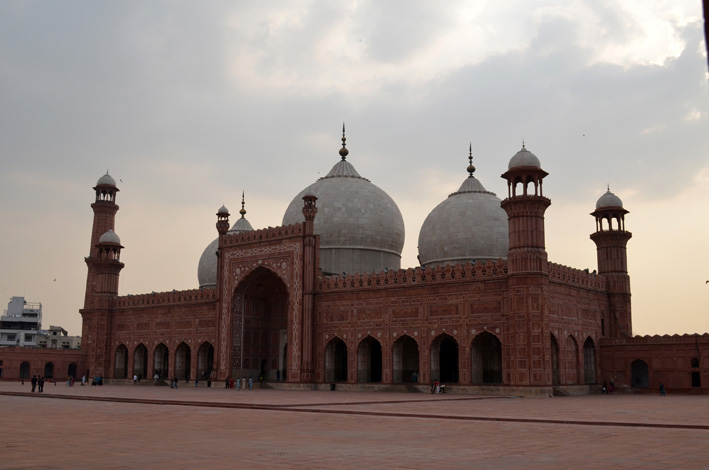
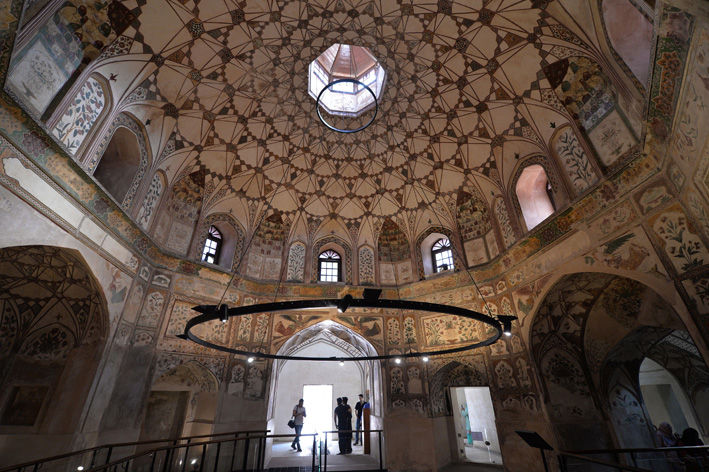
Shaikh said the South Asian country remains an attractive tourist destination, having some of the oldest Buddhas in the world, various historical sites, and snow-clad mountains unseen in Hong Kong.
HK as pillar of the China-Pakistan Economic Corridor
Hong Kong, as a leading financial hub, can play a crucial role in financing the China-Pakistan Economic Corridor, a massive infrastructure project that connects China’s Xinjiang province with Pakistan’s Gwadar, a port city north of the Arabian Sea, said Consul General Riaz Ahmed Shaikh.
As the project enters its second phase, which focuses on enterprises’ own development, huge investment opportunities have arisen, particularly in sectors such as renewable energy and technology, he said. Many investments made by mainland companies in Pakistan were channeled through Hong Kong, but some local firms have also expressed interest in participating in the project, he noted, adding that there will be more as the consulate continues talks with different investment and wealth management firms to finance it.
In 2024, yuan settlements for goods trade between China and Pakistan reached 19.4 billion yuan (HK$22 billion), accounting for 23 percent of the total, according to China’s central bank. There is a chance for Pakistani companies to leverage Hong Kong’s status as the world’s offshore yuan hub and invest in yuan-related financial products or settle their payments in yuan in the city, Shaikh said.
The South Asian country is also working with some institutions to launch yuan-denominated bonds in the territory for fresh capital, he said.
The envoy also revealed that at least one Pakistani company is considering a Hong Kong listing.
“Big companies in Pakistan, particularly joint ventures of China and Pakistan, can come here for a secondary listing, or even a primary listing, to finance their own projects,” he said.
The Pakistan Stock Exchange is not yet a recognized exchange by the Hong Kong Exchanges and Clearing, which means these companies would have to be listed in other venues to be qualified for a secondary listing in the city.
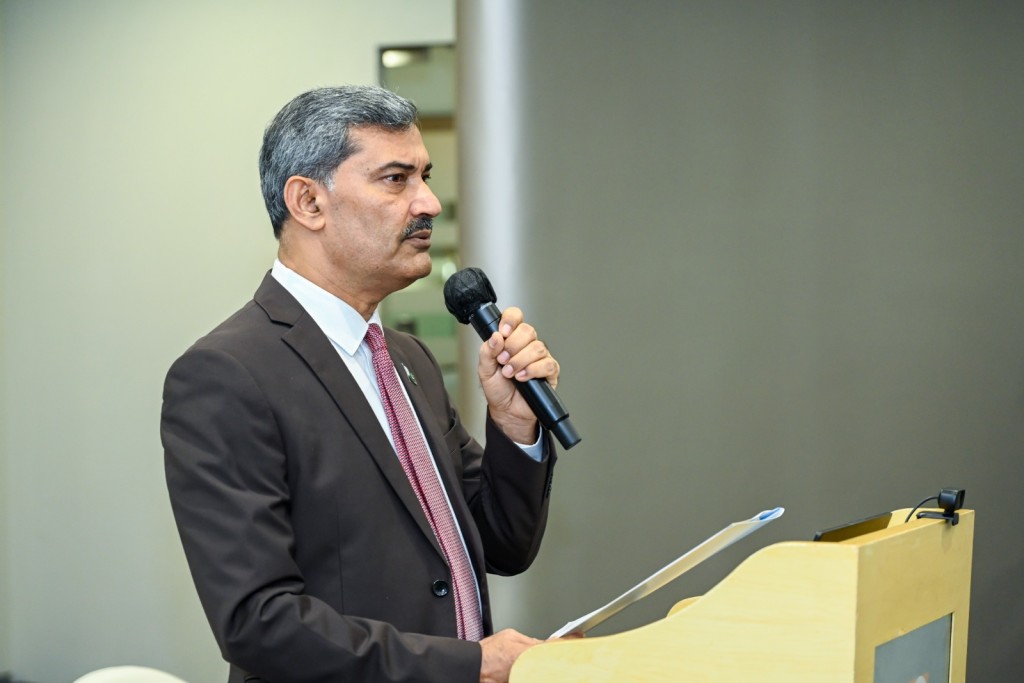
Riaz Ahmed Shaikh
Lahore-born Pakistani-American artist Shahzia Sikander was commissioned to adorn the M+ facade with 3 to 12 Nautical Miles, a large-scale display about Hong Kong colonial and maritime history.
From schools, finance to sports, Pakistanis woven into city fabric
Hong Kong is home to a vibrant Pakistani community of approximately 43,000 individuals, many playing vital roles in supporting the city’s economic and social development, Shaikh said.
A lot of them came to the territory many years ago, with around 7,000 having officially acquired Chinese nationality, he said.
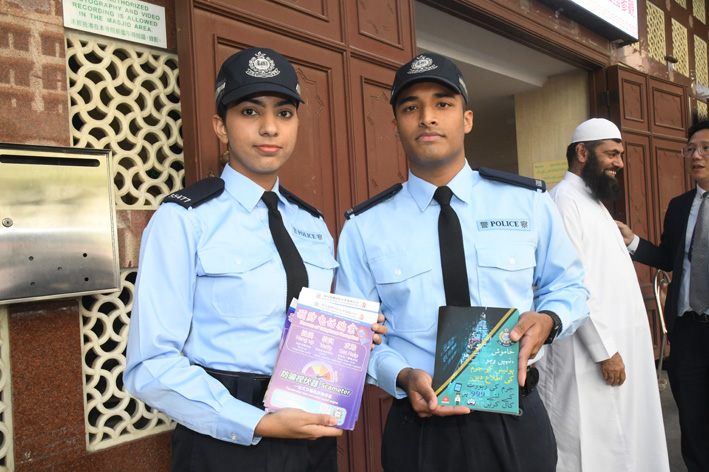
“You can find Pakistanis not only on the education side, but also in business and jobs like the fire department, police, and airport services,” the envoy noted.
“They may not be in big numbers, but they are there.”
He also highlighted Pakistanis’ contribution to Hong Kong’s sports. “If you are aware, the Hong Kong national cricket team has three to four players from the Pakistan Association of Hong Kong,” Shaikh said. The club, established in 1963, promotes cultural and sports activities such as cricket and hockey, the two most popular sports in Pakistan, he said.
On the education front, Shaikh said there is an increasing trend in Pakistani students applying to Hong Kong’s universities due to their appeal, in terms of their English-taught programs, top ranking, generous scholarships, and post-graduation work visas.
The government’s decision to raise the non-local student quota also contributed to the momentum, he said.
More than 200 Pakistani students are enrolled in the city’s universities every year, with a total of around 1,000 students focusing on practical and high-demand fields such as finance, IT, engineering, and health sciences, he noted.
Shaikh said the consulate is trying to have The Legend of Maula Jatt – a famous Pakistani motion picture with a strong box office performance in the Middle East and Europe – screened in both the mainland and Hong Kong to enhance cultural understanding between the two regions.
The movie is an action epic that follows a fierce folk hero’s quest for revenge against a brutal rival clan leader in a story of honor, violence, and destiny.
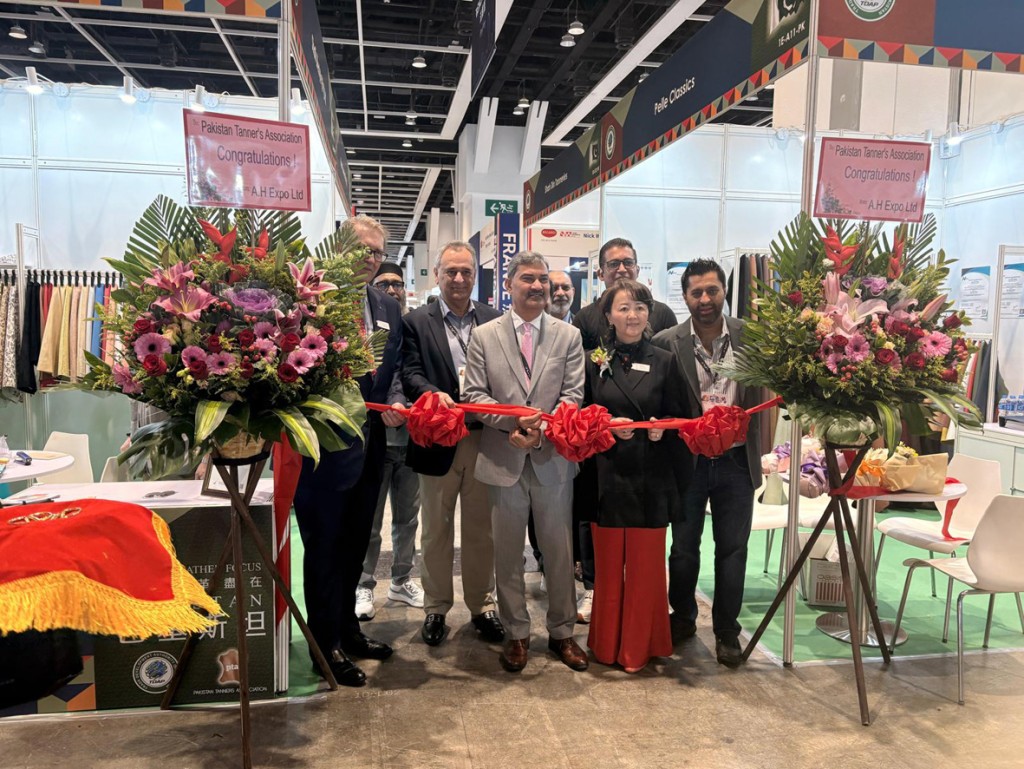
The opening of the Pakistani Pavilion at APLF at HKCEC, which took places from March 12 to 14.
Two Pakistani police officers in Hong Kong.