Read More



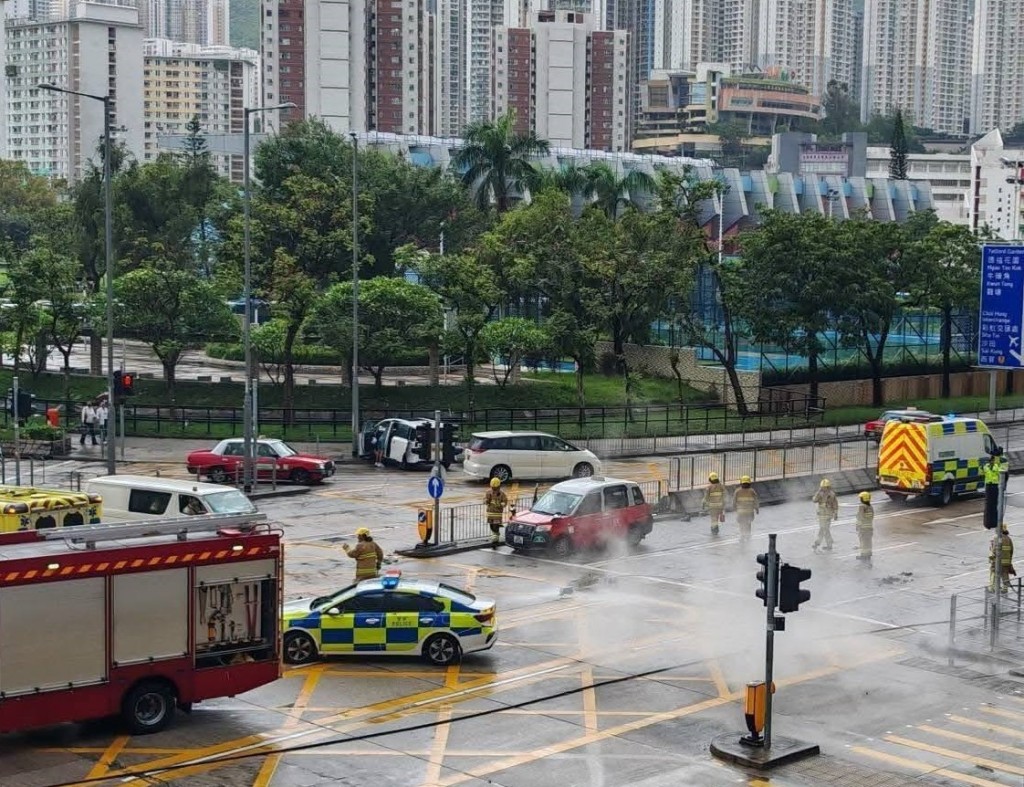

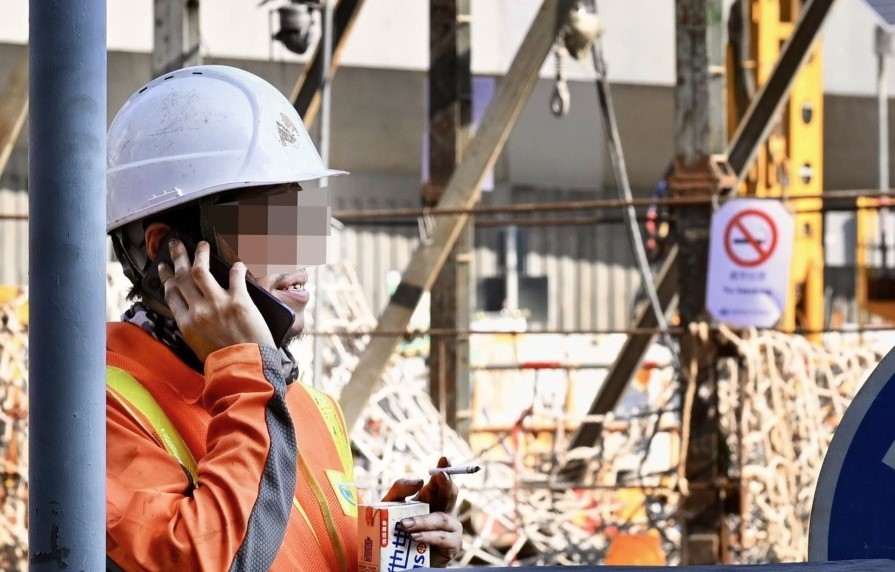








To combat the unethical and hazardous act of high-rise object throwing, the Housing Department has recently introduced artificial intelligence to implement a surveillance system in public housing estates.
Some public housing residents have expressed concerns about neighbors discarding garbage such as food containers and diapers from their windows, condemning such behavior as immoral.
High-definition cameras capable of 24-hour recording
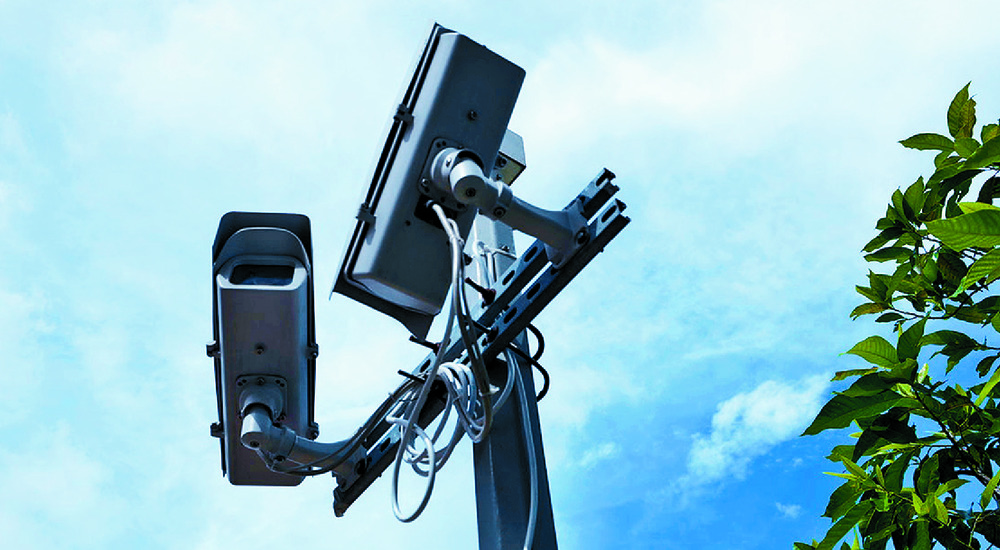
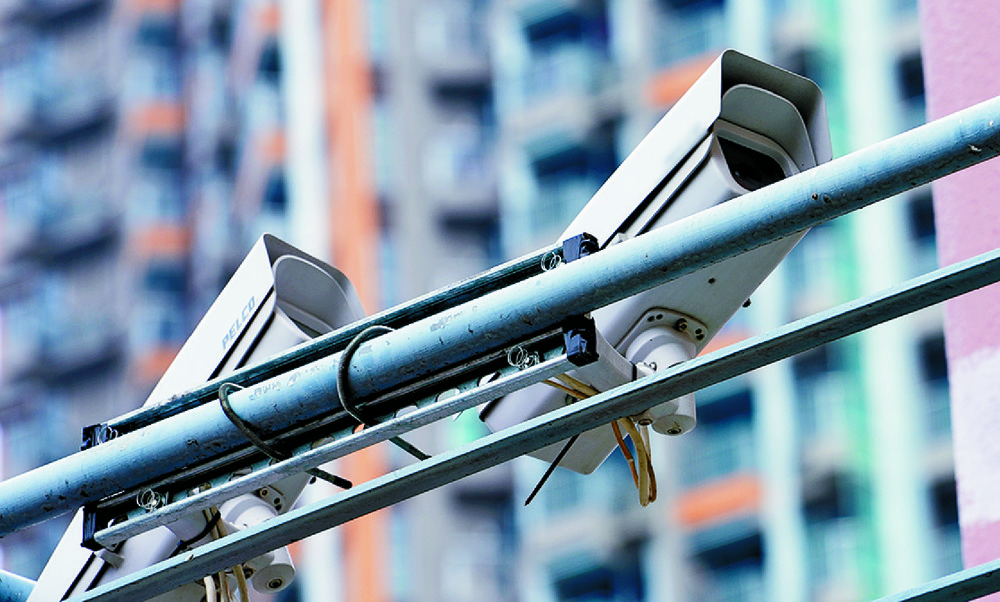
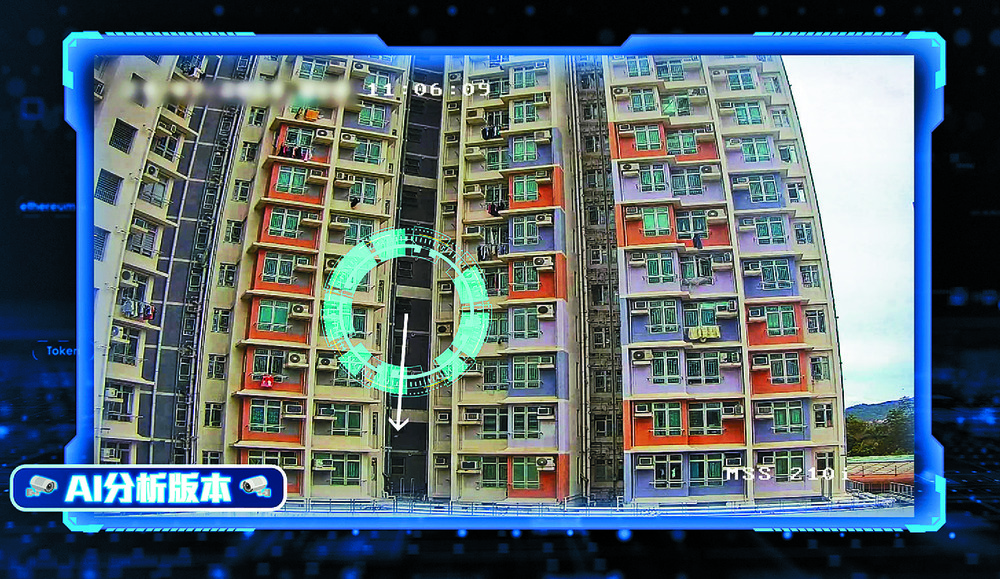
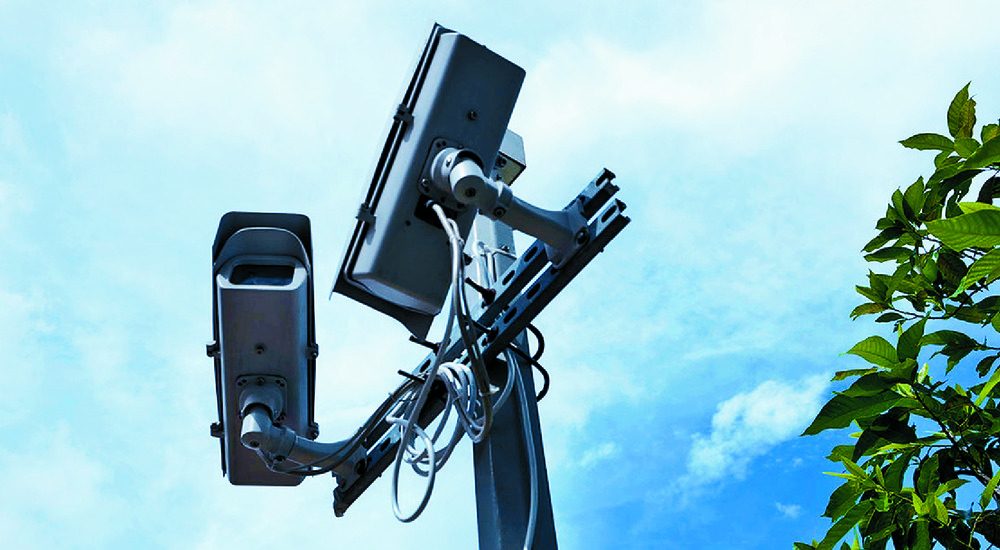
The department has installed high-rise object-throwing surveillance systems at lampposts, rooftops and building exteriors near areas prone to such incidents. These systems are equipped with high-definition digital cameras capable of 24-hour recording, which helps document incidents and facilitate regulatory actions.After a throwing incident occurs, estate management staff will use AI programs to analyze surveillance footage. The system will provide two one-minute clips - one with AI analysis and the original version.
The AI-analyzed clip includes trajectory lines tracking the falling object and a circle marking the starting point of the fall, enabling estate management staff to quickly review and identify the suspected location of the incident.AI analysis highlights object trajectory, rapidly pinpoints location
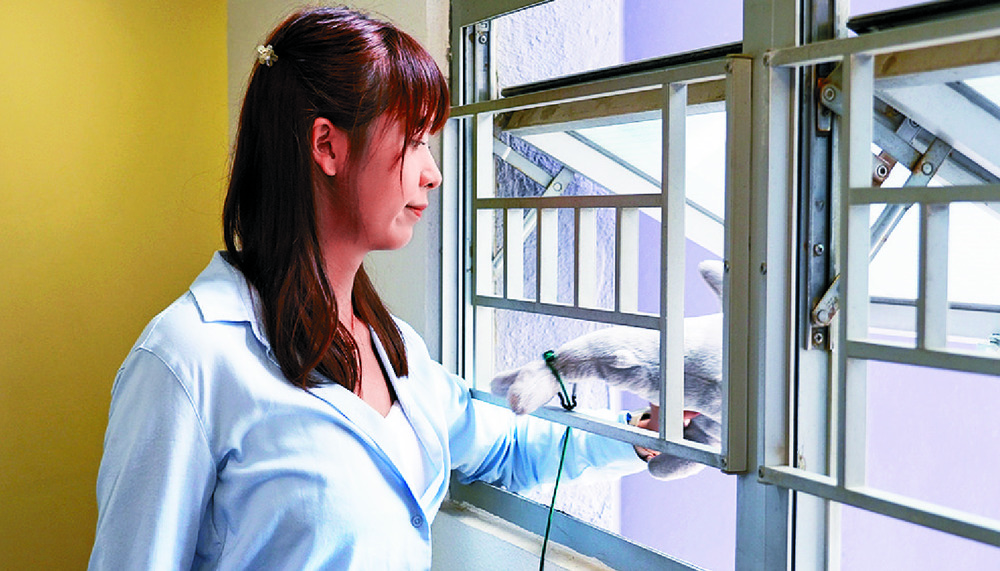
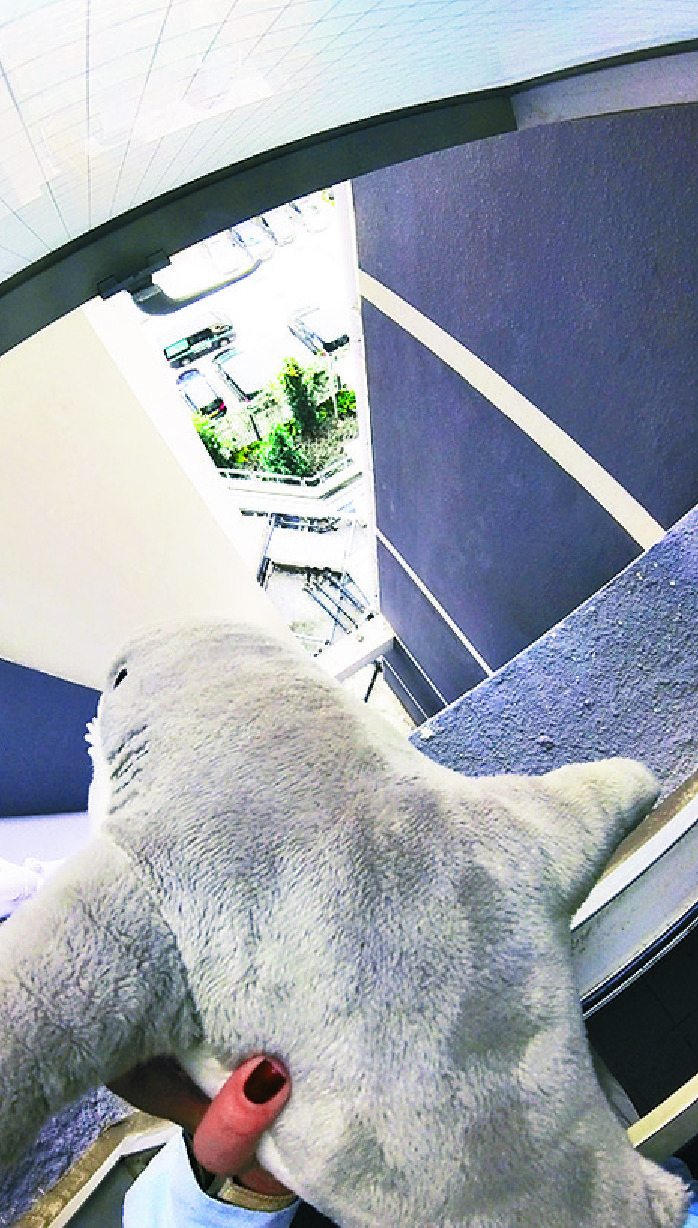
To test the system's accuracy, a Sing Tao Probe reporter prepared a stuffed toy tied to a long string and simulated a high-rise object-throwing incident by lowering it from the fifth floor of a building equipped with the surveillance system.Estate management staff then used the AI program to analyze the surveillance footage in real time.
The AI-analyzed footage from the test showed a line tracking the trajectory of the stuffed toy and a circle marking its starting point, successfully and quickly identifying the location of the simulated object throwing.The staff only needed to review the one-minute clip of the falling object, significantly reducing the time previously required to watch entire recordings, which also minimizes the chance of human error in overlooking incidents, thereby improving accuracy.
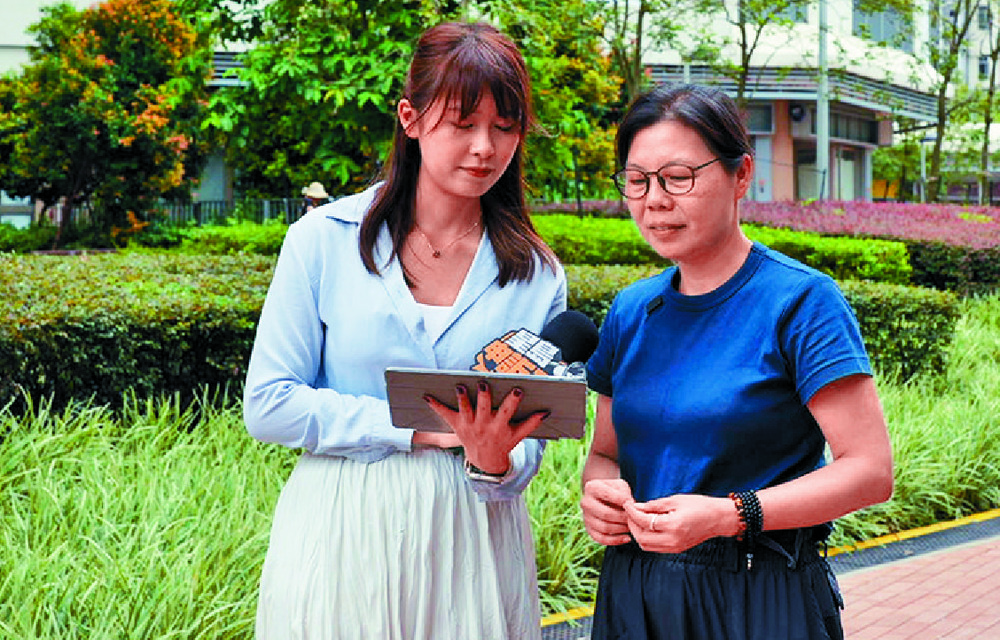
The reporter showed simulated high-rise object-throwing test footage and interviewed residents about their opinions. Residents agreed that the AI surveillance system serves as a deterrent.Mrs Leung, a public housing resident, said she has heard about cases in which tenants discarded liquid-containing garbage like food containers and diapers, with food scraps splattering onto lower-floor windows.
She condemned such behavior, saying: "Introducing AI to combat high-rise object throwing will at least deter people from carelessly throwing garbage, as it could lead to the confiscation of their public housing units."Another resident, Ms Sin, recalled nearly being hit by a food container thrown from above, adding that the person who committed the offense should have points deducted under the department's Marking Scheme for Estate Management Enforcement.
Residents risk losing their homes for high-rise object throwingUnder the scheme, tenants who engage in such behavior that compromises environmental hygiene may be deducted seven points, while those whose actions pose danger or cause personal injury may face a 15-point deduction.
If a tenant accumulates 16 or more points within two years, their tenancy will be terminated immediately.Last year, there were 190 cases of tenants being penalized under the marking scheme for throwing objects from heights. In addition, 57 cases were prosecuted by the Housing Department.