Read More
Jamie Liu and Ayra WangThe watchdog also found that three mattresses were unable to distribute pressure evenly, and one showed lower stability, which could disturb a partner's sleep.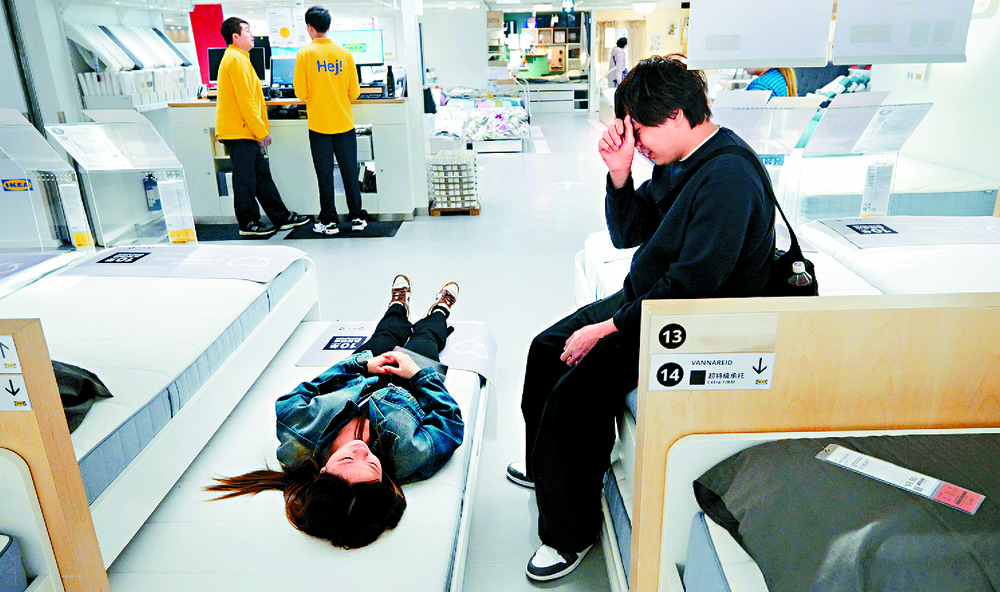
The Consumer Council tested 14 double mattress models and found that while most offer good support for those who sleep on their back, they may fall short for side sleepers.
ADVERTISEMENT
SCROLL TO CONTINUE WITH CONTENT
Among the mattresses examined, five were models of pocket spring, six of interlocking springs, and three of foam, with prices ranging from HK$2,299 to HK$9,328.
Ikea's Vesteroy pocket-spring mattress firm double, priced at HK$2,499, received the highest overall rating, along with the HK$8,260 Simmons' Goodnight Ayr and HK$8,960 Serta's Omaha.
On firmness, Sea Horse's Our Mattress was the only model graded as "very hard." Six others were "hard" and the rest were "medium."
In the body support test, eight models promised good support for back sleepers, scoring four to five points, meaning users can maintain the natural curvature of their spine when they are lying on their back. The watchdog noted that pocket-spring models generally outperformed interlocking spring ones.However, most mattresses did not perform as well for side sleepers as some failed to keep the spine parallel to the mattress surface when the user is lying on the side.
Only three spring and two foam models provided better support, scoring three to 3.5 points, while the remaining ones showed unsatisfactory results with just 2.5 points."For some models, the shoulder of the dummies used in the tests sank into the mattress less than the hips during test, indicating that these could not keep the spine parallel to the mattress surface," said Kenneth Chan Kin-nin, vice chairman of the council's committee of sustainability, public affairs and education.
The council also received 94 complaints on educational courses as of last month, many involving misleading claims and unethical practices.One common issue involves courses advertised with a "100 percent refund guarantee" - which would later be denied on various pretexts.
In one case, complainant Sze paid HK$87,000 for an online business course, only to discover that extra costs for digital tools were required to achieve the promised results. When seeking a refund, the company refused, citing incomplete course participation and failure to purchase the necessary tools. Legal action is being considered.Another case involved a finance course claiming to offer wealth strategies. A complainant paid HK$48,000 only to discover the "strategy" was a push to invest in overseas properties through the company's agent services.
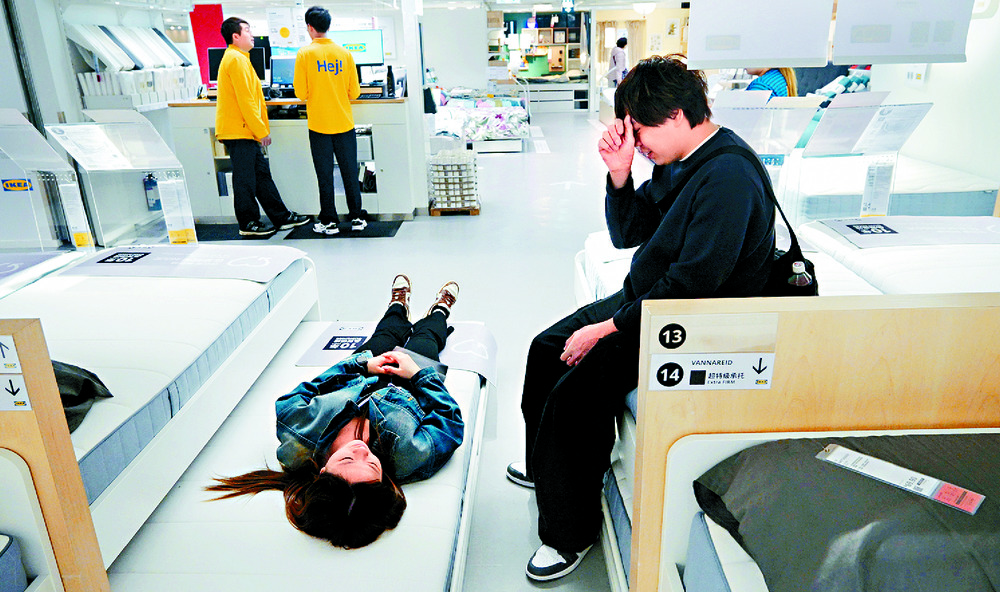
After six months of unsuccessful refund attempts, the company agreed to a full refund following the council's intervention.Buyers check out beds in an Ikea store. SING TAO