Read More


Morning Recap - September 18, 2026
44 mins ago


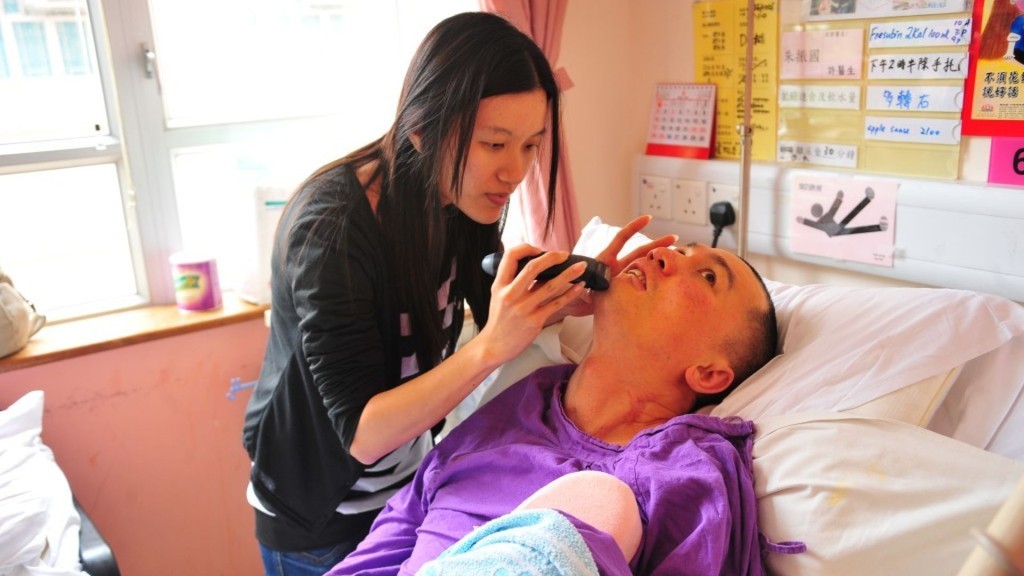
Officer injured in 2005 knife attack dies after over 20 years paralysed
17-09-2026 00:27 HKT

Naked woman spotted strolling through Lan Kwai Fong late at night
16-09-2026 18:04 HKT
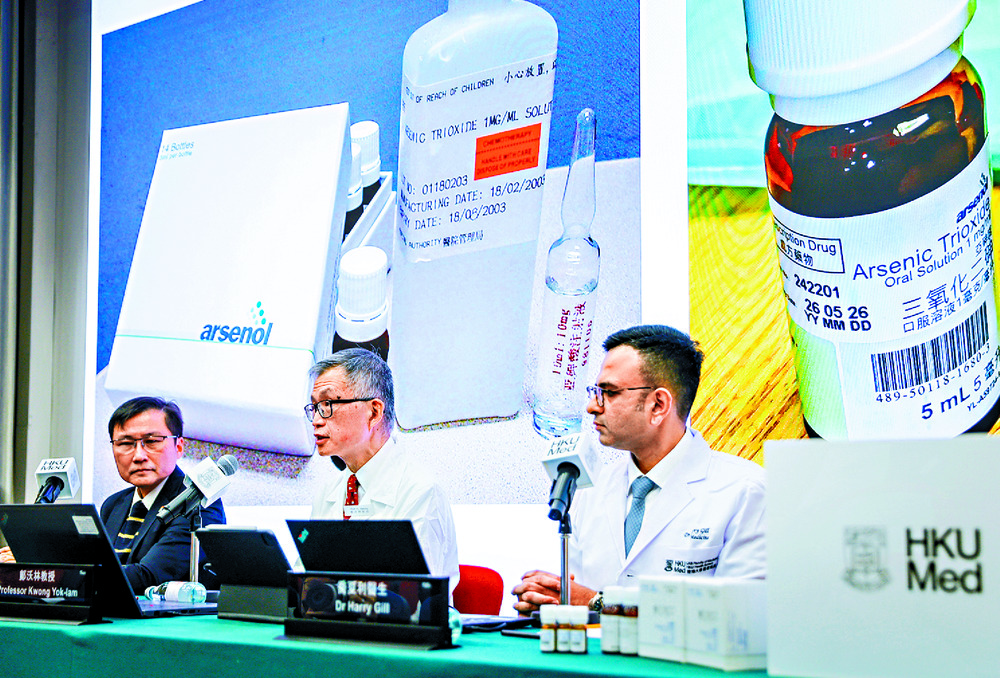
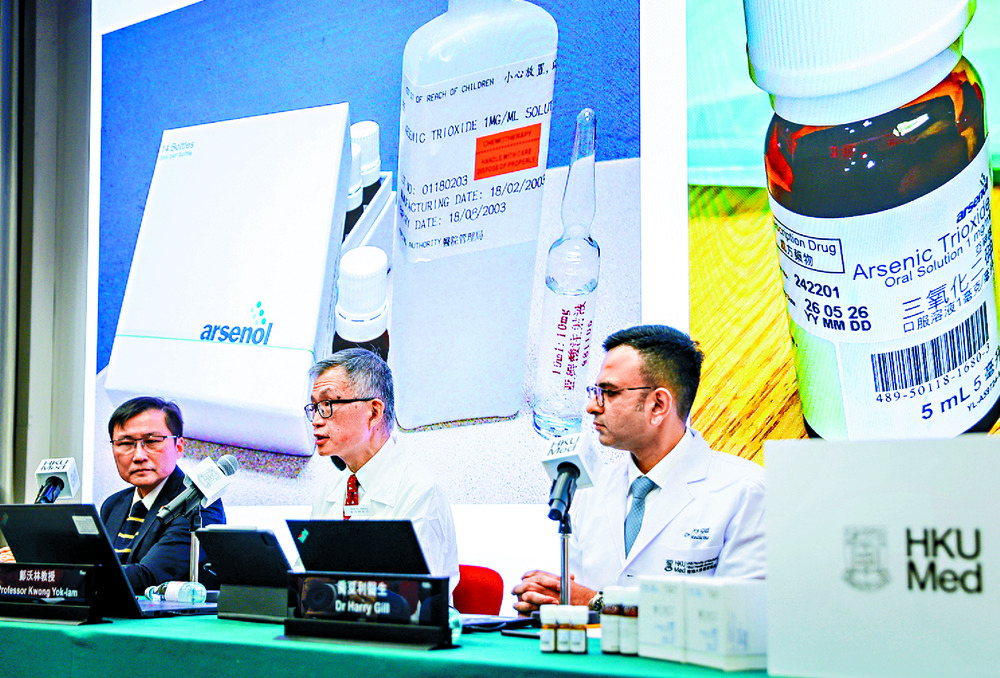
University of Hong Kong has developed the world's first medicinal oral arsenic trioxide for treating patients with rare blood cancers.
In Hong Kong, about 25 to 30 new APL cases emerge each year.
Traditionally, APL patients depend on intravenous arsenic injections or have to wait for bone marrow donations for hematopoietic stem cell transplantation, both of which require long hospital stays. This not only increases the risk of bacterial exposure but also contributes to higher relapse rates.
Also, the cost of intravenous arsenic treatment could be staggering - from US$10,000 (HK$78,000) to US$20,000 a week.In contrast, the new oral formulation of arsenic trioxide reduces the early mortality rate to below 5 percent and allows patients to maintain normal lives.
Under this treatment, patients require hospitalization for 14 to 21 days for observation and can be discharged once their blood cell counts and coagulation levels stabilize.Patients need follow-up visits every one to two months, with the entire treatment lasting around 70 days.
Gill said: "The development of oral-ATO is a game-changer for APL patients. It provides a convenient and effective treatment option that significantly enhances their quality of life."Wong, a patient diagnosed with APL in April 2023, endured chemotherapy and intravenous arsenic treatment, costing her around HK$2.6 million and causing substantial physical and emotional distress.
A friend who battled the illness informed her about the new treatment offered by HKUMed."The taste of oral-ATO is similar to seawater, almost like soy sauce," she said. "After taking this medicine, I can go to work as usual.
"If it weren't for oral-ATO, I would still be in the hospital, facing enormous medical expenses."The HKUMed research team said all APL patients in Hong Kong can now be prescribed oral-ATO in public hospitals.
It has benefited over 430 patients to date, with more than 90 percent achieving remission.All diagnosed APL patients can be referred to Queen Mary Hospital for treatment, with medication costs fully covered.
Gill said the research team is also exploring the effects of oral arsenic on other acute forms of leukemia.He added that arsenic's ability to suppress inflammation may lead to future applications in treating autoimmune diseases such as rheumatoid arthritis and lupus.
cheng.wong@singtaonewscorp.com