Read More

Night Recap - April 1, 2026
5 hours ago
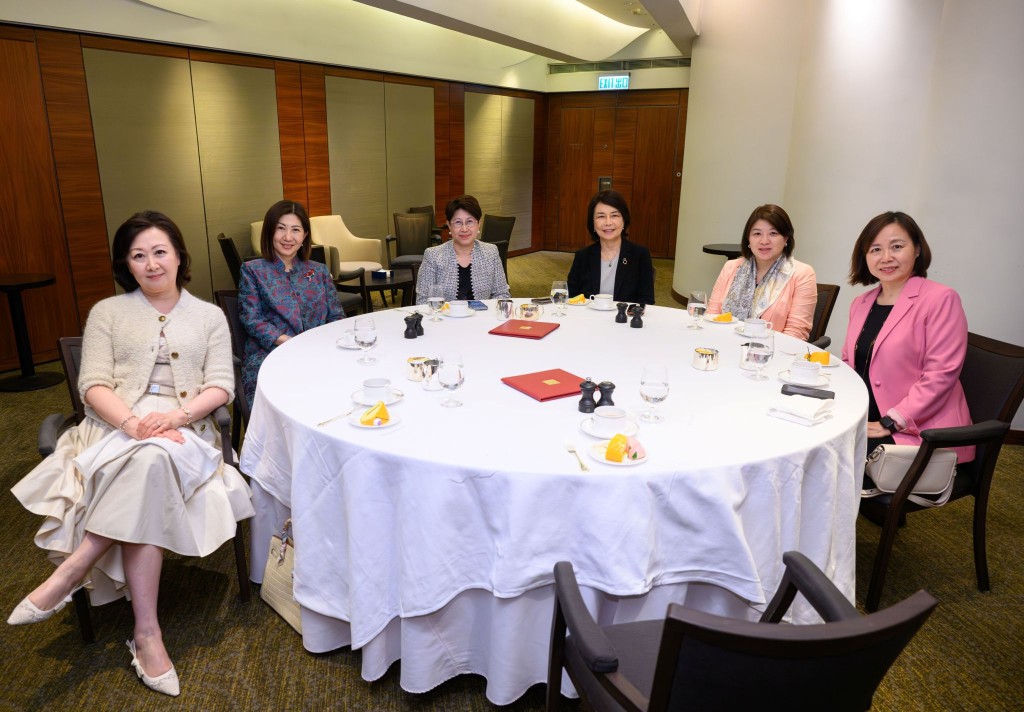
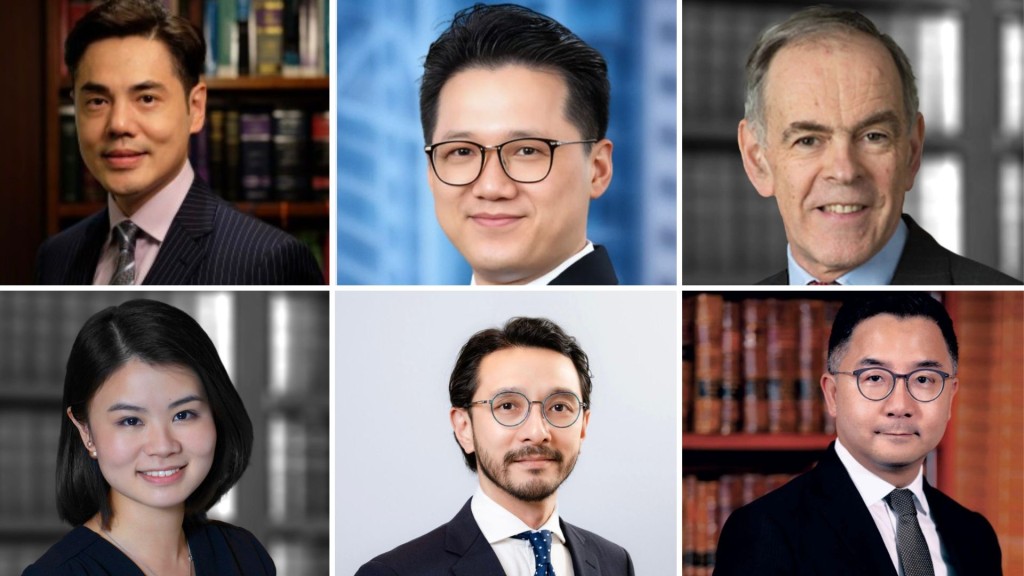
Six senior counsel appointed
31-03-2026 13:54 HKT
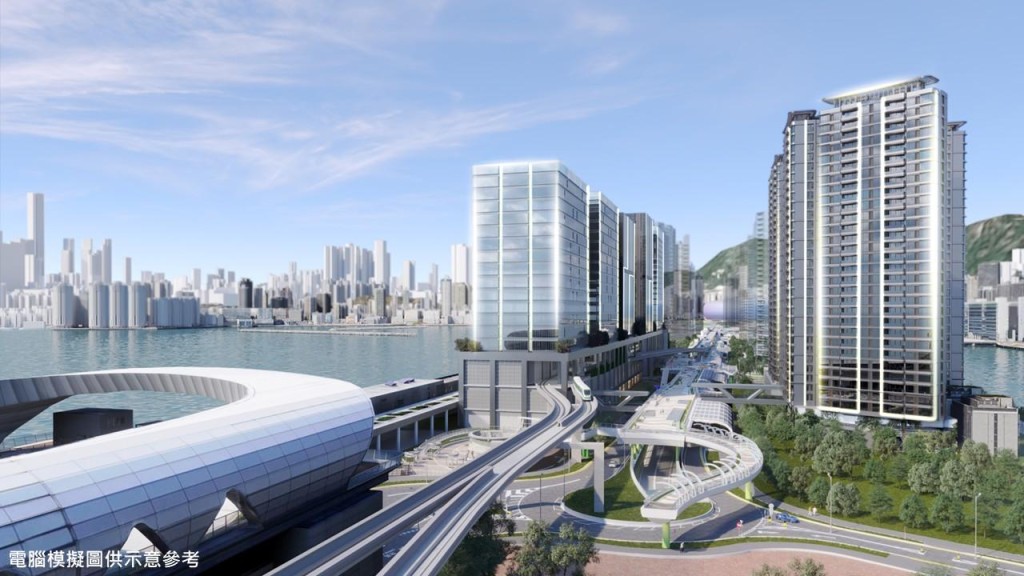
Approval granted for Kai Tak’s six-stop Smart & Green Mass Transit System
31-03-2026 16:27 HKT
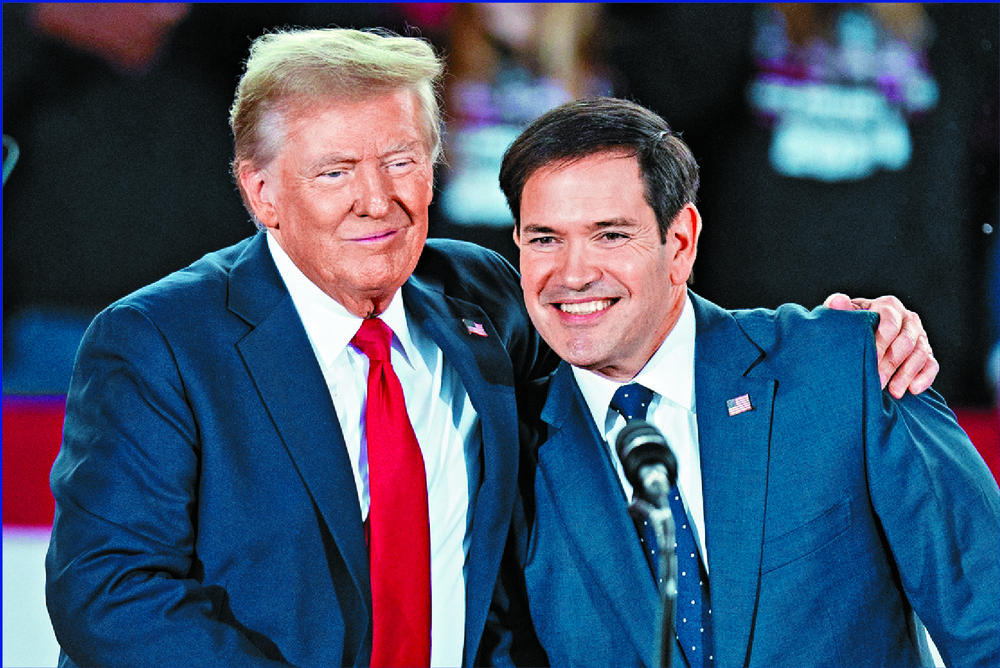
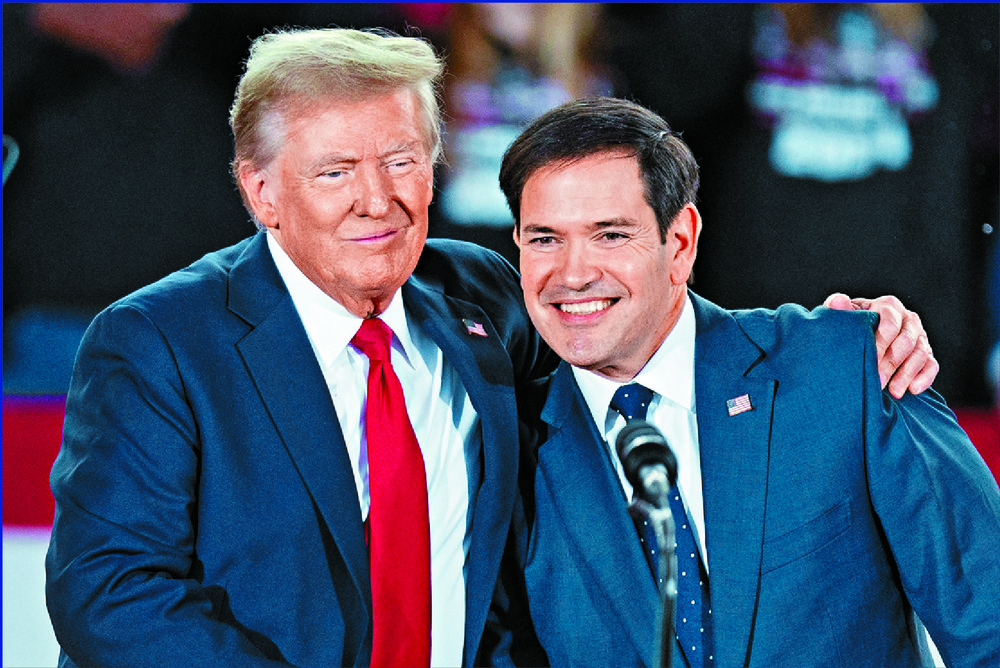
Senator Marco Rubio - who has taken an aggressive stance on China's emergence as an economic power - is set to become the first sitting secretary of state to have been sanctioned by Beijing, adding fresh turbulence to a tense relationship.
Rubio is among a handful of US officials who China took the rare step of sanctioning twice in 2020, as tensions spiraled during the first Trump administration's push to punish Beijing for its handling of Hong Kong and Xinjiang.
Rubio's elevation would be "a nightmare come true" for Beijing, according to Zhu Junwei, a former researcher in the People's Liberation Army and now director of American research at Grandview Institution in Beijing. "China has to consider what to do with the sanctions before being able to have any engagement with him."
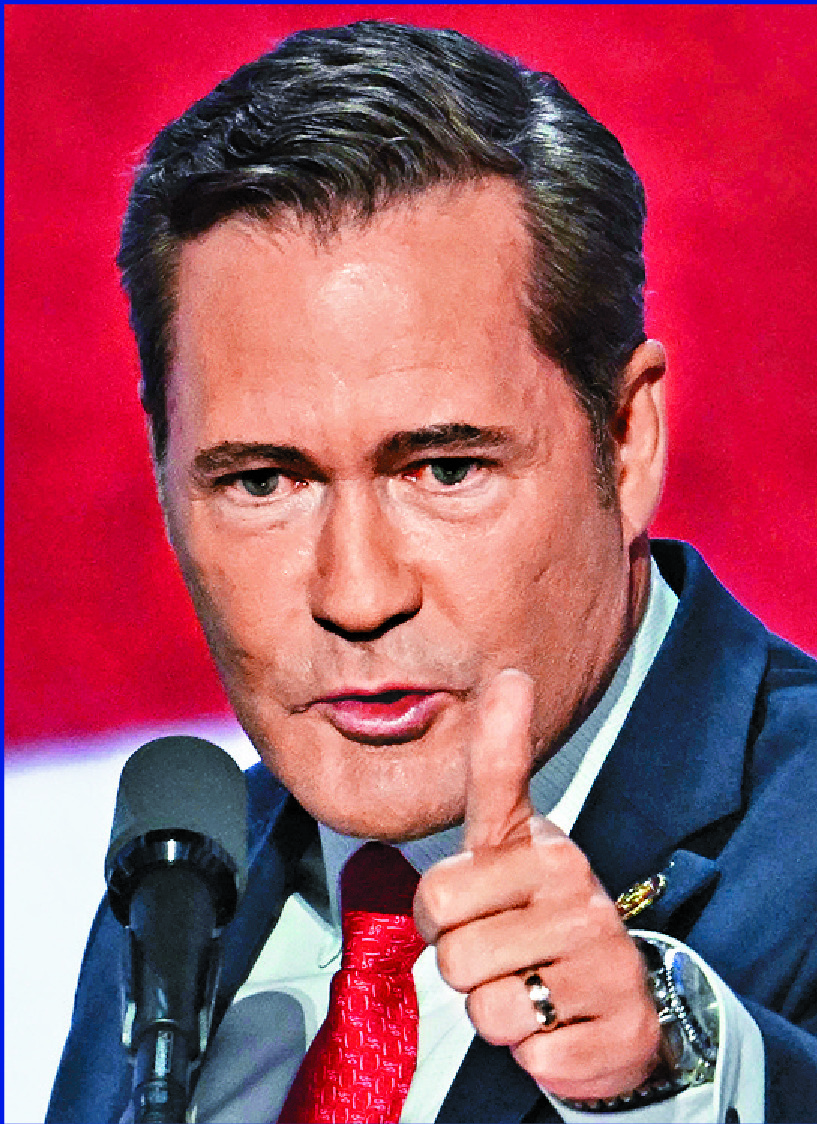
Both Rubio and Waltz have publicly expressed support for Trump bringing Russia's war in Ukraine to an end, a move that would free Washington to focus more on China.They also advocated for taking an even tougher line on China militarily and economically.
In a 2022 speech to the conservative Heritage Foundation think tank, Rubio called China the "threat that will define this century."He mapped out two scenarios: one where a "rising authoritarian power replaced a free society as the world's most powerful country," or an alternative where the US prospered.
The year before, Global Times newspaper published an opinion piece that branded Rubio a "political weirdo" for leading his country to "dangerous decisions" by stoking anxiety that the US was facing an existential threat from China.Waltz, a former Army Green Beret and combat veteran of Afghanistan, has been equally outspoken. Days before the US election, he wrote in the Economist newspaper that the United States should end conflicts in Europe and the Middle East so it can confront "the greater threat" from China.
"America is not building armed forces to deny a Chinese attack on Taiwan," he wrote in the article, co-authored with former Pentagon strategist Matthew Kroenig."A new administration should increase defense spending and revitalize the defense-industrial base to make sure its armed forces are clearly capable of denying a Chinese attack on Taiwan," the article read.
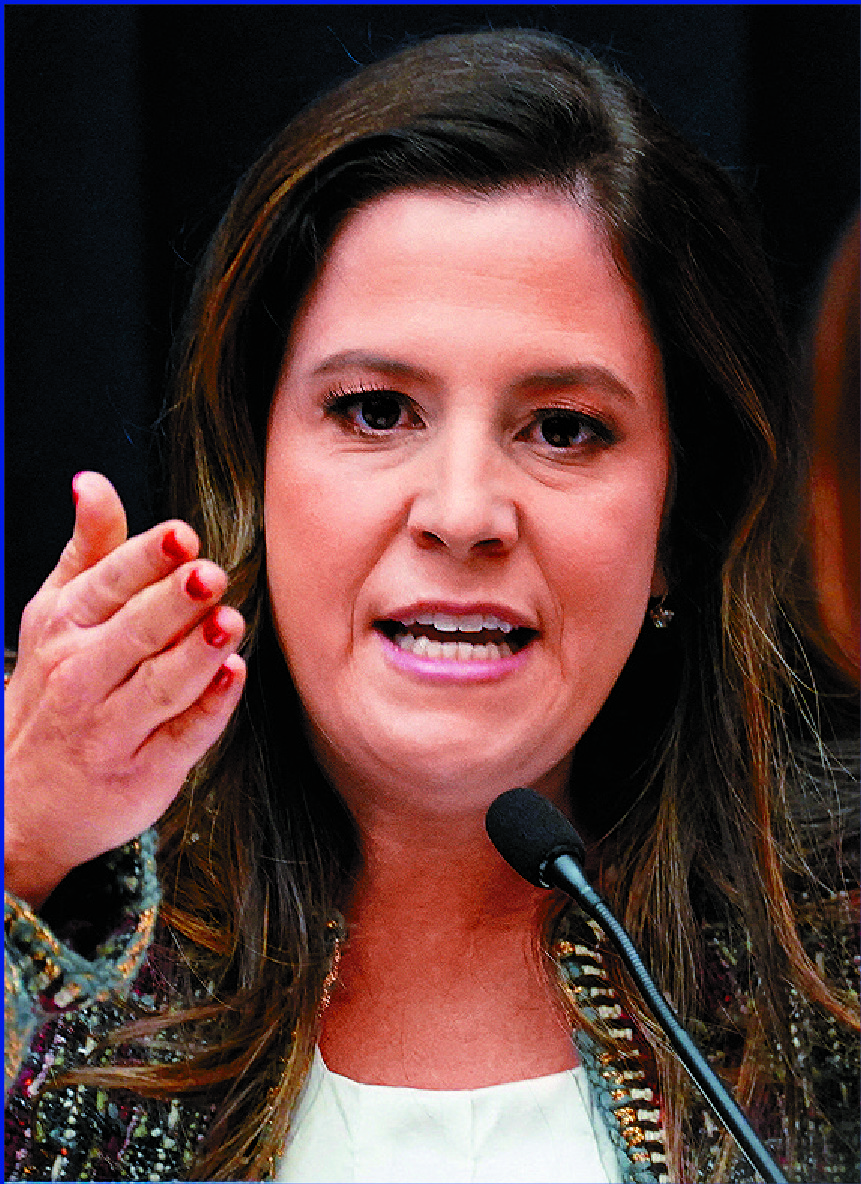
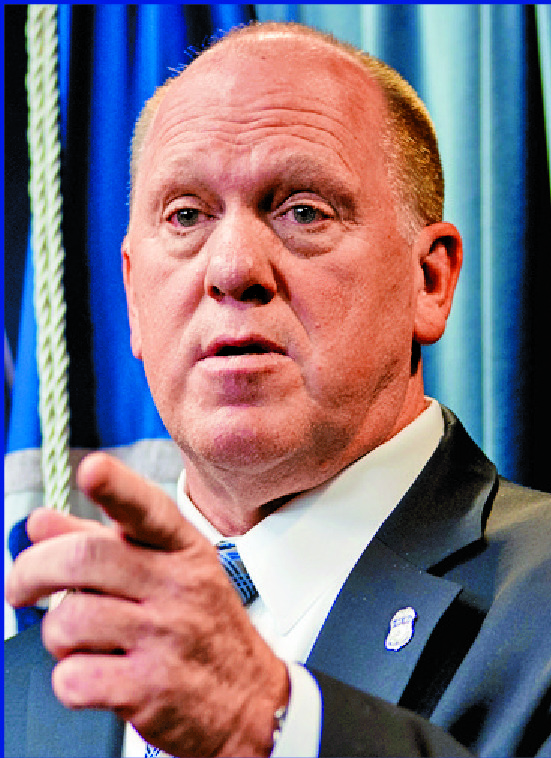
Elise Stefanik, Trump's nomination as US ambassador to the United Nations, has also been outspoken on China. She cited countering national security and economic threats posed by the "Chinese Communist government" as one of her priorities when serving as congresswoman for New York.Trump announced immigration official Tom Homan as the country's "border czar," tasking him with fulfilling his key domestic promise of mass deportations of undocumented migrants. US media also reported that Stephen Miller, the author of Trump's so-called "Muslim ban" immigration policy during his first term, was set to be his deputy chief of staff with a broad portfolio.
"Trump is assembling a foreign policy team packed with tough-on-China politicians that will worry leaders in Beijing," said Neil Thomas, a fellow for Chinese politics at the Asia Society Policy Institute's Center for China Analysis.Homin Lee, senior macro strategist at Lombard Odier, said their reported appointment "underscores the high likelihood of Trump following through on his campaign pledge to implement punitive tariffs."
Trump would not be solely surrounded by hawks. Elon Musk could provide a rare moderating force among Trump's universe of China advisers. The billionaire has extensive business interests in China - where Tesla makes half its electric vehicles.AGENCIES
Editorial: Page 6