Read More


Night Recap - May 6, 2026
1 hour ago






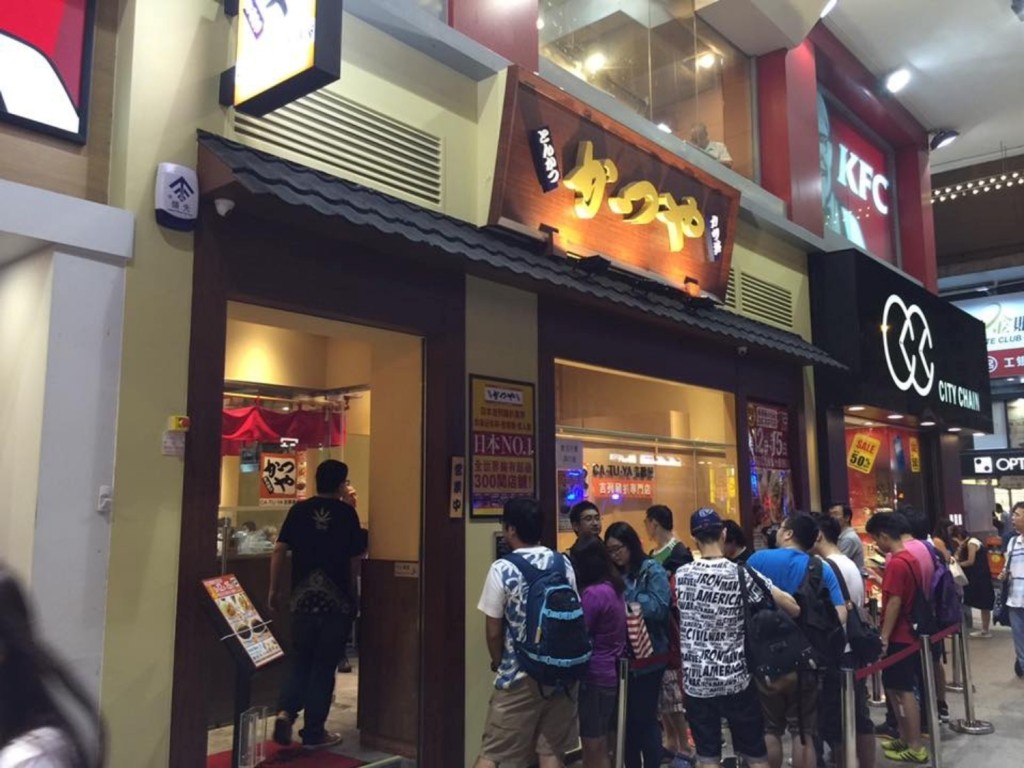
Tonkatsu chain Ca-Tu-Ya goes dark across Hong Kong, exit suspected
05-05-2026 16:48 HKT


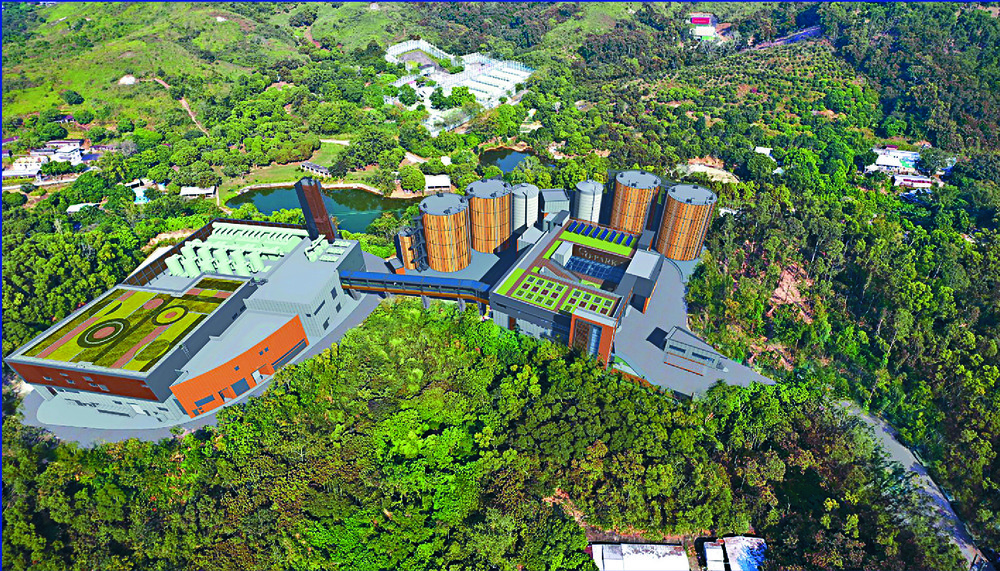
Hong Kong experienced a remarkable 70 percent increase in food-waste collection by July this year, following the Environmental Protection Department's initiative to expedite its schedule.
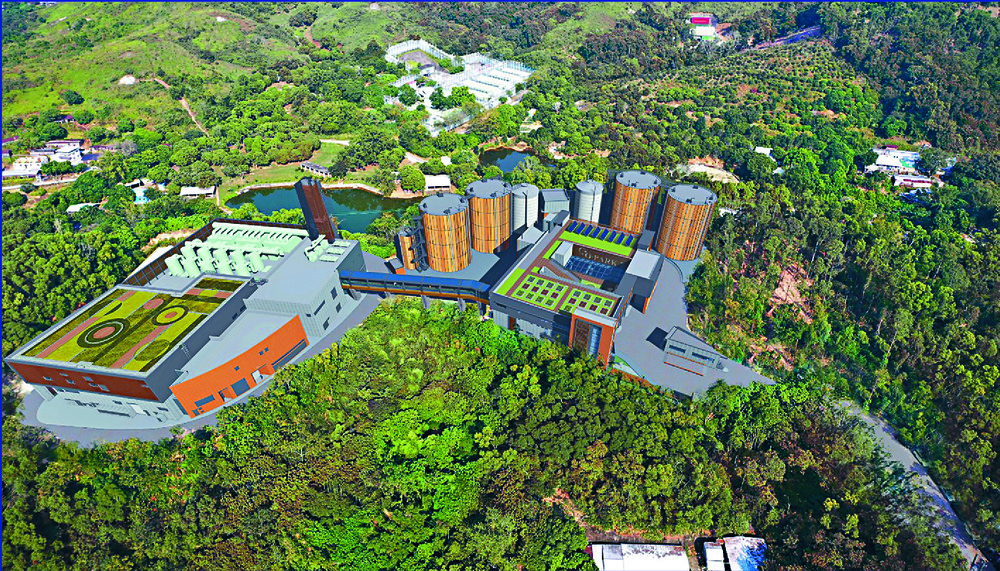
The city's second organic resources recovery center, O Park2, located in Sha Ling, became operational in March.
Currently, about 11,000 tonnes of municipal solid waste are sent to landfills each day, with food-waste comprising around 30 percent - or 3,300 tonnes - of that total.
In an interview with Sing Tao Daily - The Standard's sister newspaper - the EPD's environmental protection officer for organic waste infrastructure, Anita Chan Kwan-yin, said both O Parks utilize anaerobic digestion technology to convert food-waste into electricity, sufficient to power about 8,000 households annually."O Park1 is expected to generate up to 14 million kilowatt-hours of surplus electricity each year, enough to power around 3,000 households," Chan said.
"O Park2 is projected to produce up to 24 million kilowatt-hours annually, meeting the needs of about 5,000 households."Once food-waste arrives at the O Parks, it undergoes a four-step process to transform it into energy.
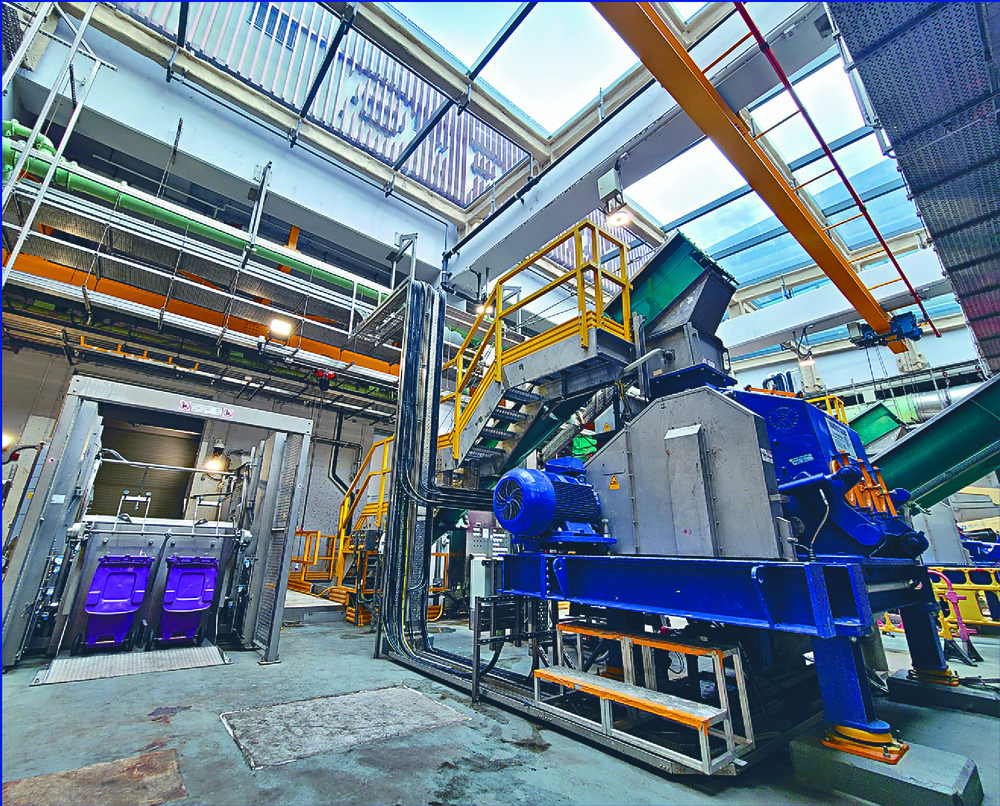
The pre-treatment system first screens out recyclables and impurities, as well as shreds packaging materials, turning the food-waste into a suspension. Heavy impurities like glass, stones, and metals are also eliminated during this phase.The processed suspension then enters digesters where microorganisms convert the organic matter into biogas. Hydrogen sulfide is removed from the biogas to prevent corrosion of downstream equipment.
The combined heat and power generation units combust the treated biogas to generate electricity, which powers the facilities and exports surplus electricity to the power grid.Chan assured that any gas or sewage produced meets safety standards before discharge.
"Steps in the process that could produce odors are conducted in enclosed areas, under negative pressure to prevent gas dispersion," she added.The O Parks are also equipped with wastewater treatment facilities.
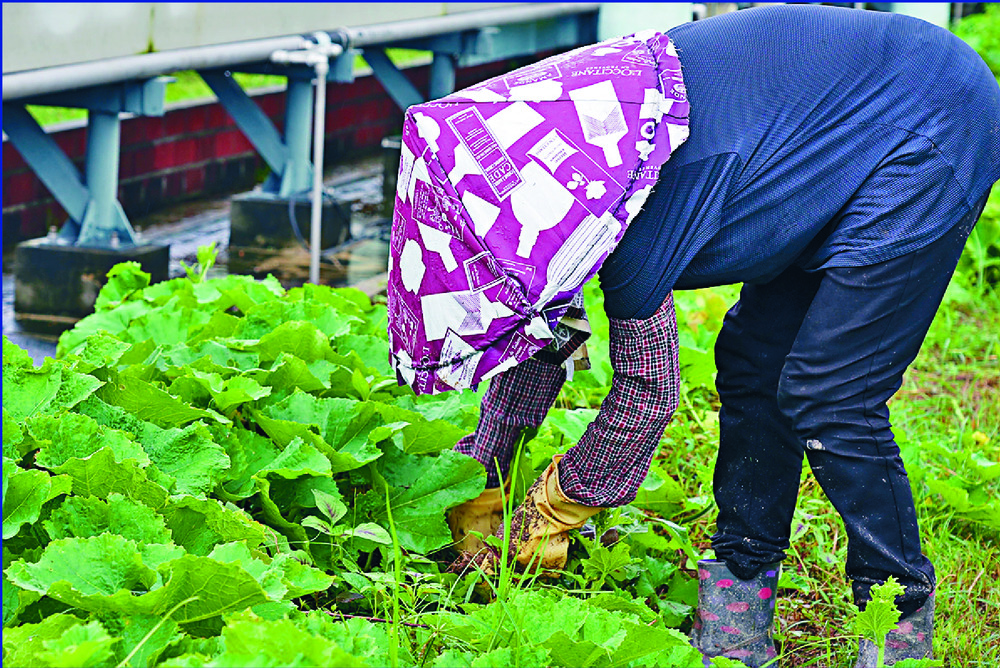
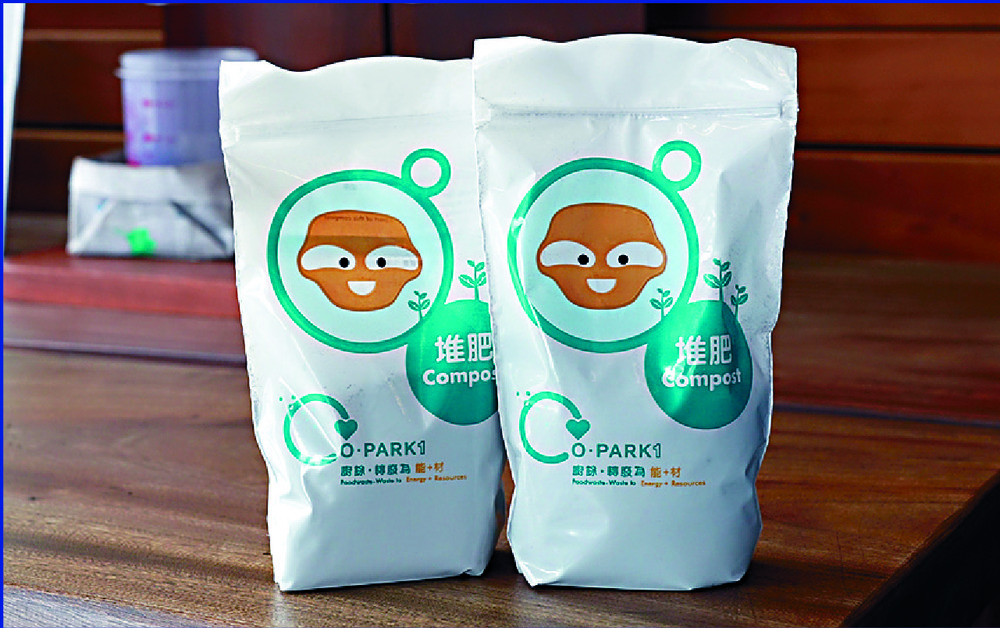
The residues left after anaerobic digestion are processed into compost for landscaping and agricultural applications.Also, an O Farm has been established on the rooftop of O Park1. The EPD said the O Farm utilizes compost produced at the center to cultivate organic produce, which is then distributed to the community through educational and public initiatives.
ayra.wang@singtaonewscorp.com