Read More




Morning Recap - June 11, 2026
8 hours ago






Nine days of rain ahead as temperatures dip, Observatory says
09-06-2026 17:35 HKT

Bowie Woo, 94, sets Guinness World Record at star-studded concert
08-06-2026 18:03 HKT
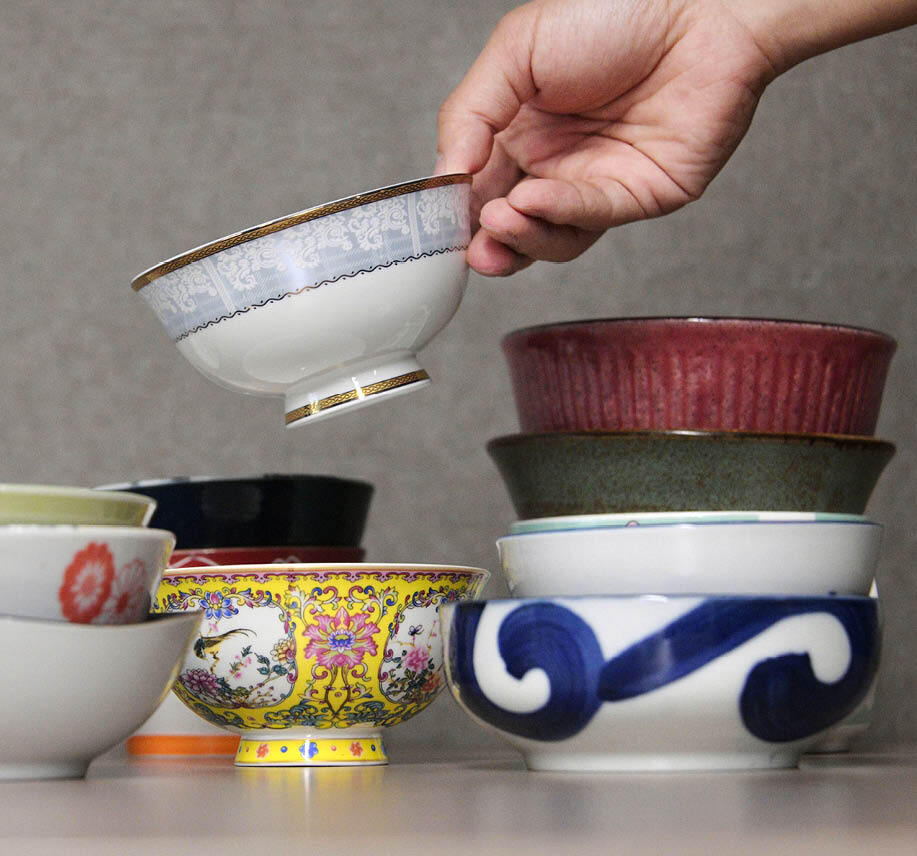
The Consumer Council found that at room temperature, the most common ceramic tableware in the city, including cups and bowls, emits trace amounts of heavy metals such as lead and cadmium.
It comes after the consumer watchdog tested 30 models of ceramic tableware sold in Hong Kong, with ceramic cups priced from HK$10 to HK$310 and ceramic bowls ranging from HK$11 to HK$140.
"The internal surface of cups and bowls is the major part that comes into direct contact with food, and consumer's lips would come into contact with the rim of cups and bowls," said Kenneth Chan Kin-nin, vice-chairman of the council's publicity and community relations committee.
For the internal surface tests conducted at room temperature, acid was poured into the cups and bowls, while for the drinking rim test, the samples were immersed in acid two centimeters deep upside down.After soaking six cups and five bowls in acid for 24 hours at 22 degrees Celsius, they were found to release lead, with levels ranging from 0.1 to 1 milligram per liter in the internal surface test and 0.1 to 0.31 mg per article in the drinking rim test.
Additionally, four ceramic cups were found to release cadmium. Among them, three released the harmful substance from the internal surface at levels of 0.012 to 0.06 mg/l while two released cadmium from the drinking rim.The International Agency for Research on Cancer has classified lead as a substance probably carcinogenic to humans and could impair the development of the brain and central nervous system in fetuses, infants and children with excessive intake over prolonged periods.
Cadmium may harm kidney functions over a prolonged intake.However, Chan stressed that the levels of heavy metals detected were within safety standards.
He added that the council tested 13 microwavable models at 100 degrees Celsius and found all performed well with no release of lead or cadmium.Still, the council advised people to check labeling information before buying ceramic tableware and avoid products with brightly colored or pattern-decorated internal surfaces to lower the risk.
"Consumers may also soak tableware in cooking vinegar for a few hours before first use, and they should avoid using if there is a noticeable change in the color of vinegar as the risk of lead or cadmium released from these products is generally higher," Chan added.The council reminds people not to use decorative ceramics or antiques as food containers.