The government has received 19 development intention proposals from local institutions for the Northern Metropolis University Town project, Secretary for Education Christine Choi Yuk-lin said on Wednesday.
Speaking at the Legislative Council meeting, Choi noted that the proposals vary in their suggested models and development focuses. The government will compile and consider these submissions during the planning process.
While various top-tier mainland and overseas universities have also shown interest in the project, Choi noted that detailed plans are required for consideration, as the financial arrangements are on a self-financing basis.
Some lawmakers raised concerns over resource planning for the project. Choi pointed out that local universities mostly operate with scattered, independent campuses.
Given Hong Kong’s limited land resources, authorities are conducting in-depth studies to integrate the concept of shared teaching buildings, laboratories, libraries, sports grounds, and student dormitories into the planning framework, aiming to build a closely connected university ecosystem.
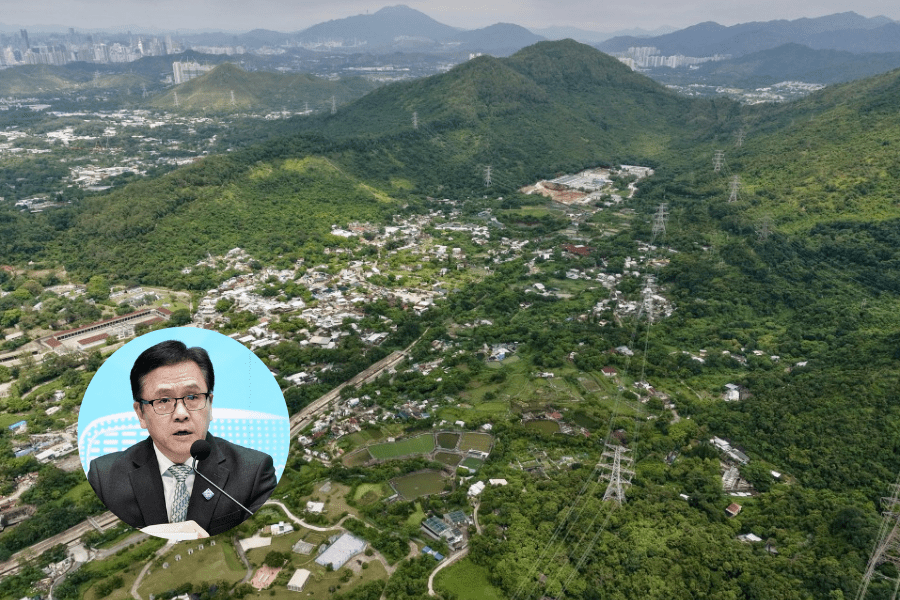
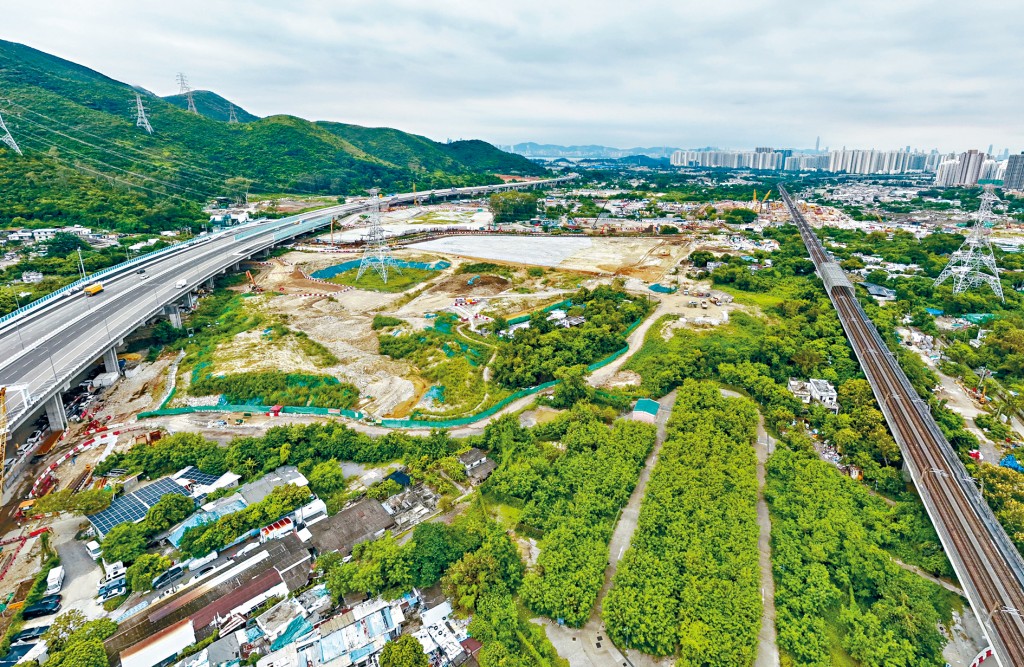
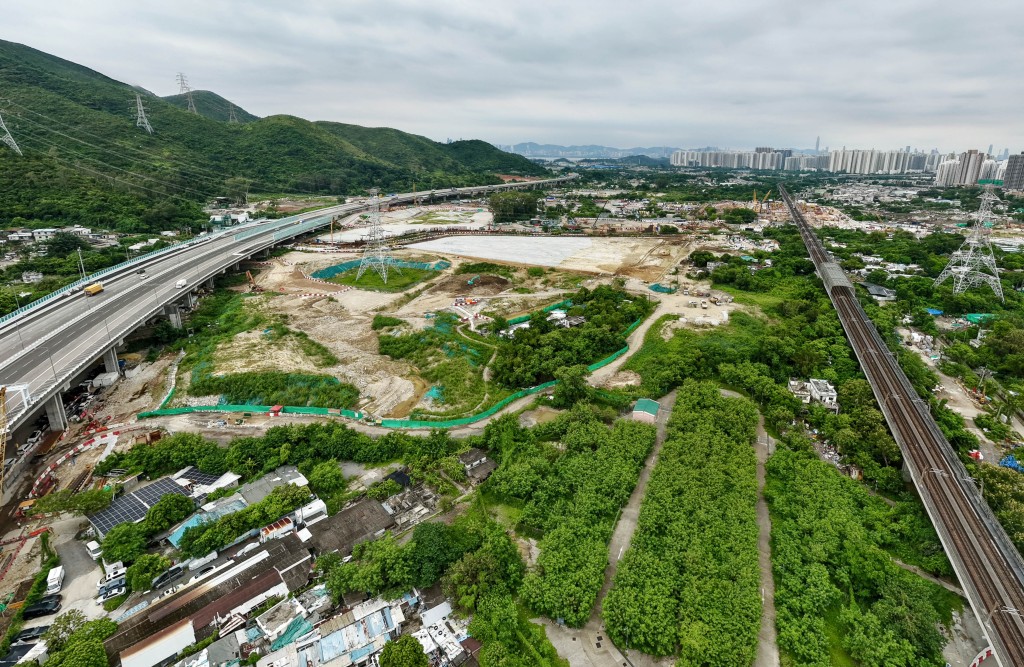
The government has reserved land for the university town in Hung Shui Kiu/Ha Tsuen, Ngau Tam Mei and the New Territories North New Development Areas.
In response to a lawmaker’s question on potentially expanding the Hung Shui Kiu site, Choi stated that the government is scaling up the university town in light of practical circumstances, with the plan still undergoing dynamic adjustments.
She added that the authorities do not focus on the exact number of universities to be established there. Instead, the priority is to foster integration between industry, academia, and research.
Choi said the Working Group on Planning and Construction of the University Town has recently conducted study tours to the mainland, South Korea, Germany and other regions, noting that different university towns possess unique features and advantages that offer valuable reference.
Given their unique contexts and challenges, Hong Kong will leverage its own strengths, adapt best practices cautiously and tailor the plan to local conditions, she said.
She added that three distinct zones within the university town will have different development positions and targets, while all will provide comprehensive community living, housing, and industry-specific support.