Read More


Night Recap - May 22, 2026
9 hours ago






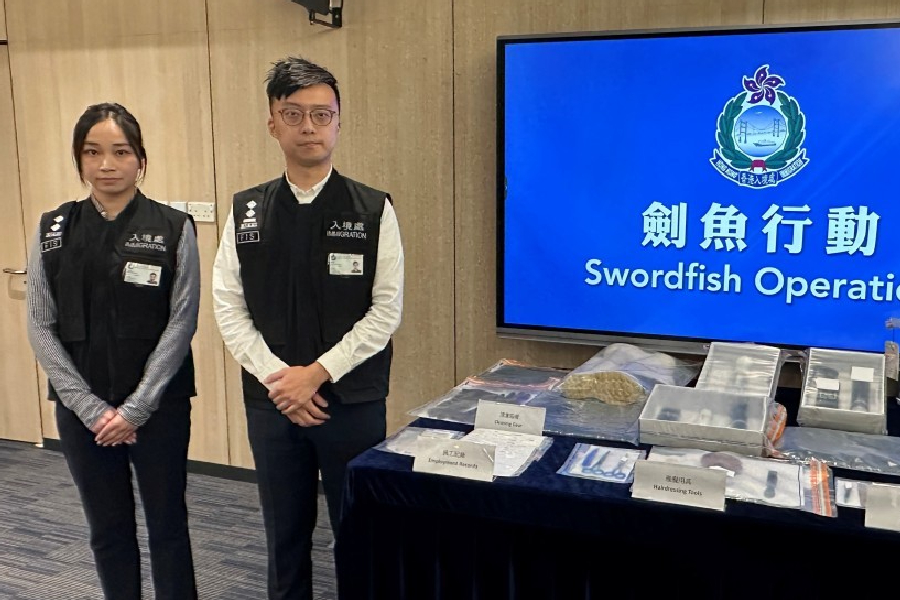
ImmD crackdown targets moonlighting domestic helpers arresting 17
19-05-2026 17:52 HKT

One dead, four injured in Jordan flat fire, 200 residents evacuated
22-05-2026 00:48 HKT


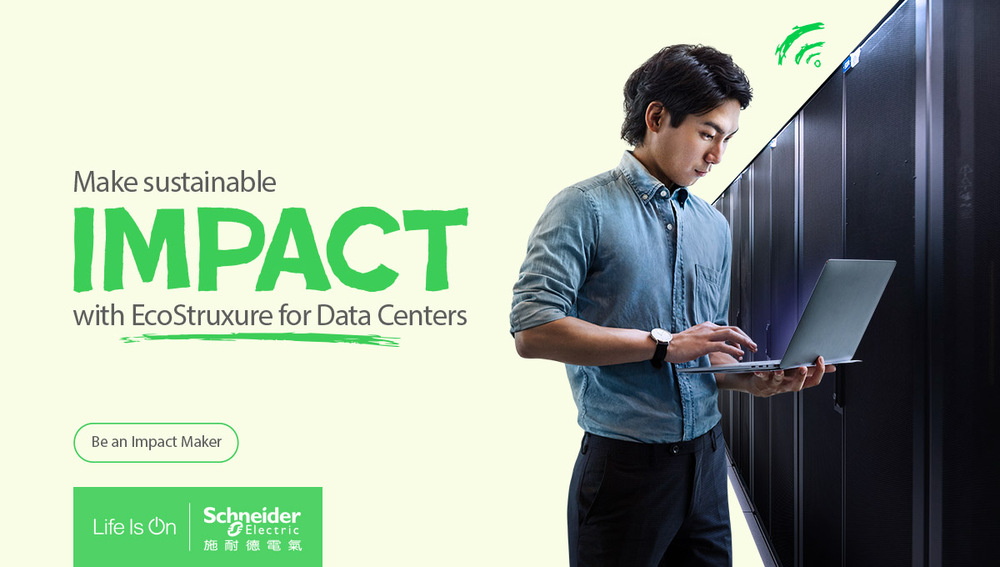
This article is part of a series highlighting how Schneider Electric is empowering and collaborating with the ecosystem to amplify impact for a more resilient, efficient and sustainable Hong Kong. Meet the Impact Makers here.
Our city’s digital transformation towards a more sustainable future must be powered by partnerships. Here’s how Schneider Electric is driving an accelerated path towards sustainability through automation, electrification and digitization – and collaborative action with the Impact Makers.
Is your data center ready for AI growth?
Artificial intelligence has seen a meteoric rise in 2024, with all sectors racing to integrate AI tools into business operations. According to a report from Schneider Electric, AI workloads will reach up to 20% of total power consumption in data centers by 2028, up from 8% in 2023.
AI models require significant computing power and data storage for training, posing challenges for power, cooling, racks, and software management design in data centers. At the same time, the industry faces mounting pressure from stakeholders to reduce its carbon footprint in line with global decarbonization ambitions. It is therefore critical that operators adapt data center infrastructure to keep pace with increased AI demands, while minimizing pertinent impact on the environment.
Technology innovations for sustainable growth in data centers
Schneider Electric, the leader in the digital transformation of energy management and automation, provides solutions to optimize data centers throughout their lifecycle from planning to operation, covering electrical, mechanical and IT domains.
The Galaxy family of uninterruptible power supply (UPS) offers advanced and compact 3-phase UPS power supply protection while minimizing footprint and cost of ownership. With a range of 10 kW to 1500 kW and Lithium-ion batteries, the Galaxy UPS family seamlessly integrates into the electrical, physical, and monitoring environment of customers operating data centers and critical facilities. Additionally, the eConversion mode, a high-efficiency operation mode of the Galaxy V-series UPS, boosts efficiency up to 99% and delivers a 3x reduction in UPS energy consumption, thereby saving operators on electricity bills.
Data Center Infrastructure Management (DCIM) software has become an essential tool for operators to track data center energy consumption, meet sustainability reporting needs, and achieve sustainability goals. Vendor-neutral monitoring systems, Data Center Expert and EcoStruxure™ IT Expert, measure data center power consumption and provide insights into Power Usage Effectiveness (PUE). EcoStruxure IT Advisor: Cooling Optimize is an AI-based software, dynamically eliminates hot spots and saves energy through intelligent cooling control. The system balances cooling needs with minimal energy expenditure, delivering immediate cost savings and optimal cooling within data centers.
Medium voltage (MV) switchgear is critical for electrical distribution in data centers. However, most traditional MV equipment often uses SF6 gas, which acts as a potent electrical insulator and emits a greenhouse gas 23,500 times stronger than carbon dioxide. By transitioning to SF6-free switchgear, these challenges can be mitigated. Schneider Electric's AirSeT innovation combines the latest gas-insulated switchgear with pure air technology and digital connectivity. This sustainable solution enables data center operators to modernize and decarbonize operations while improving operational performance and reliability.
Empowering Impact Makers to turn ambition into action
Data centers play a pivotal role in realizing AI's potential. As AI adoption continues to proliferate, innovative solutions that mitigate energy challenges for data centers must be deployed.
Schneider Electric is privileged to support the Impact Makers – our allies and ambassadors who are making a positive impact on society and the environment through technology and innovation. We leverage the power of connected infrastructure to create more sustainable, efficient, adaptive, and resilient data centers.