Read More
Eunice Lam
ADVERTISEMENT
SCROLL TO CONTINUE WITH CONTENT
CLP Power Hong Kong is looking for new nuclear energy in the mainland to supply power to the city as the electricity giant aims to increase the ratio of zero-carbon energy generation from 25 percent now to over 60 percent in 2035, says managing director Joseph Law Ka-chun.
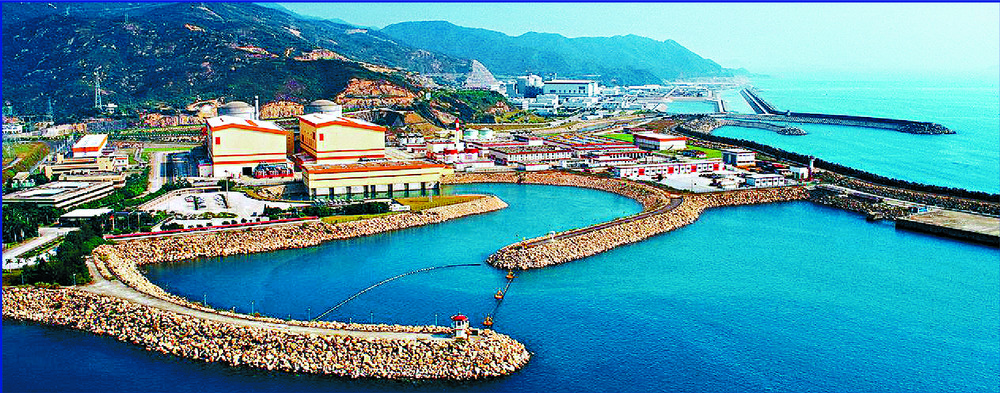
CLP has been exploring the success model in the Daya Bay Nuclear Power Plant in Shenzhen, in which 80 percent of the energy generation from the two reactors is delivered to Hong Kong through designated power cables.
Throughout the past 30 years, the power plant has generated 312.8 billion kilowatt hours of electricity - equivalent to 25 years of electricity usage by Hong Kong's 2.7 million households according to the Census and Statistics Department's figures last year.
Law, in an interview with The Standard, said looking for new nuclear energy adheres with the government's interim decarbonization targets set out in 2021 to reduce Hong Kong's carbon emissions by 50 percent before 2035 from the 2005 level.
Law said the road map of the city's carbon-emission reduction could be divided into three phases - the first step being reducing burning coal to generate energy and increasing the ratio of natural gas that emits fewer air pollutants and carbon dioxide.
The next step is raising the ratio of zero-carbon energy - including nuclear energy - from 25 percent of the city's fuel mix, to 60 to 70 percent before 2035. To achieve this, Law said the city needs more zero-carbon energy sources.
In the last phase, the city needs to prepare to adopt a variety of green energies, such as green hydrogen and carbon capture and storage technology.
Based on the successful foundation of the Daya Bay plant, Law said it is advisable to import nuclear power to Hong Kong through regional cooperation with mainland partners.
"Currently, we need to discuss with Hong Kong and mainland authorities, as well as relevant energy companies in the mainland, to explore new nuclear energy resources," he said.
He also said China has been taking a leading role in global nuclear energy development.
China has 56 operating power units and has the largest number of nuclear power units under construction in the world - 26 - which reflects a well-established industry chain behind it.
He said other renewable energies such as wind and solar power have the problem of unstable supplies apart from the relatively spacious area required.
"You cannot control when there will be strong winds and when it will be a sunny day. To achieve a highly reliable power supply system, nuclear energy will be an important source of electricity generation," Law said, adding that Daya Bay currently makes up 25 percent of Hong Kong's fuel mix.
But when asked if there is any chance that tariffs will go down as the power supply becomes more stable, Law said the cost of nuclear power generation is similar to that of fossil fuels.
The discharge of nuclear wastewater into the sea from the crippled Fukushima Daiichi power plant last August sparked concerns about the safety of nuclear energy.
After the 2011 Fukushima nuclear disaster, he said Beijing's State Council had requested all nuclear power plants in the country to go through a safety assessment, and Daya Bay obtained a satisfactory result.
Daya Bay also enhanced its protection against floods and earthquakes in 2013, and the multilayer cover above the power unit, including a 900-millimeter thick concrete layer, can help prevent nuclear disasters from happening, Law added.
eunice.lam@singtaonewscorp.com
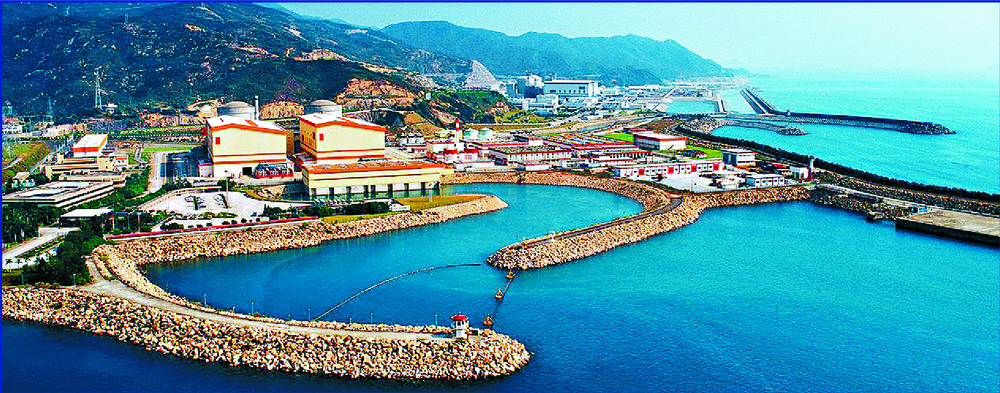
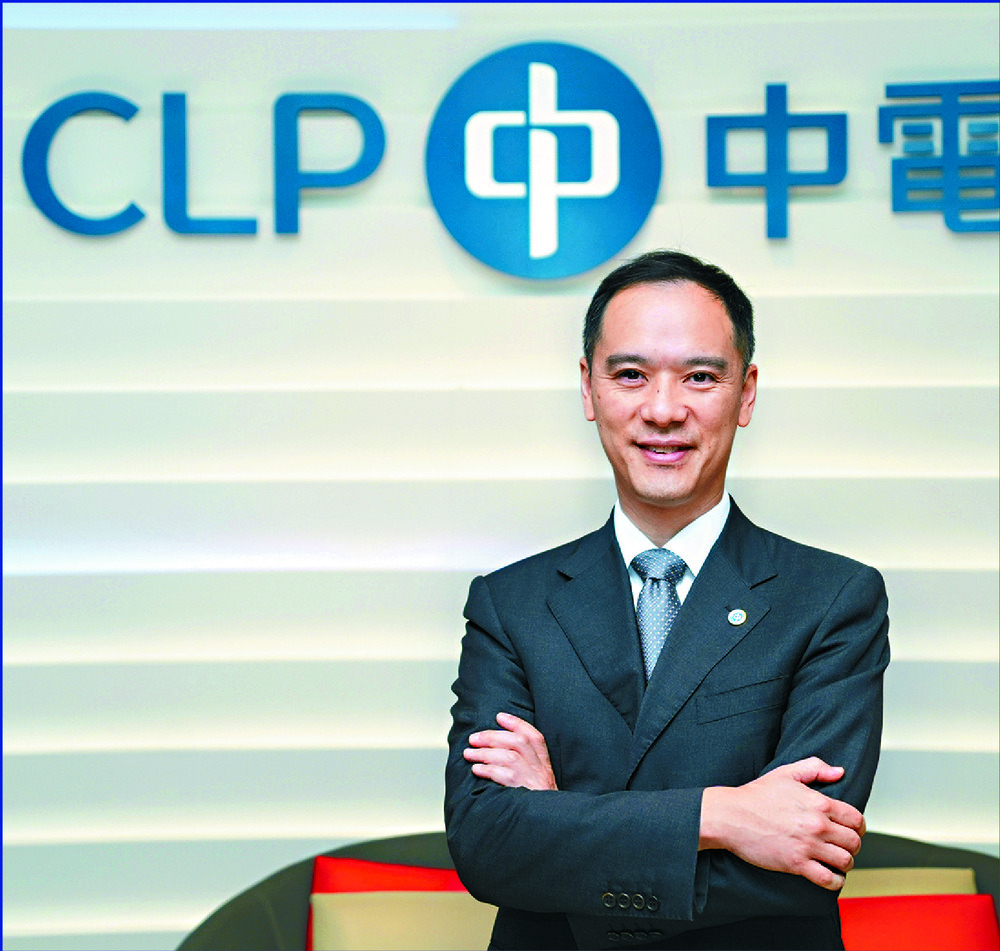
Power from Daya Bay Nuclear Power Plant makes up 25 percent of Hong Kong's fuel mix, says Joseph Law.SING TAO