Read More


Night Recap - October 26, 2026
2 hours ago
More than 4,000 primary and secondary students attempted suicide over the past school year, but only 168 of them were referred to psychiatrists by March.
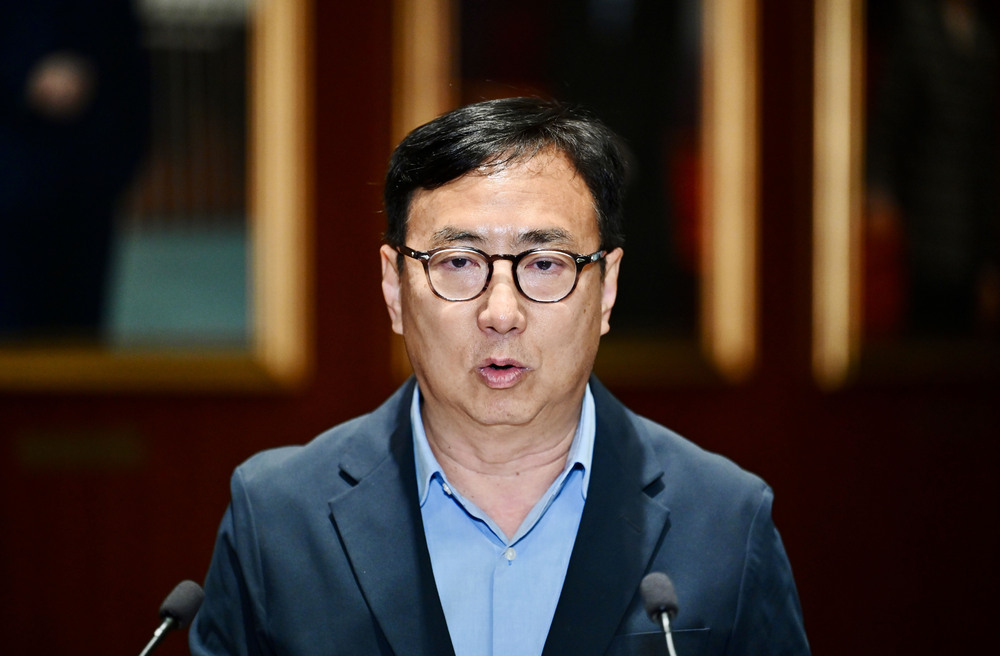
That revelation about the high number came as Tik Chi-yuen, who represents the social welfare sector in the Legislative Council, expressed concern about the effectiveness of the three-tiered school-based emergency mechanism at preventing suicides, as the number of suspected cases reported to the Education Bureau by schools hit a five-year high.
Tik said the more than 4,000 students represented the 1.3 percent of the 330,000 students who went to student health service centers and reported, in a Department of Health questionnaire, attempting suicide in the past 12 months.
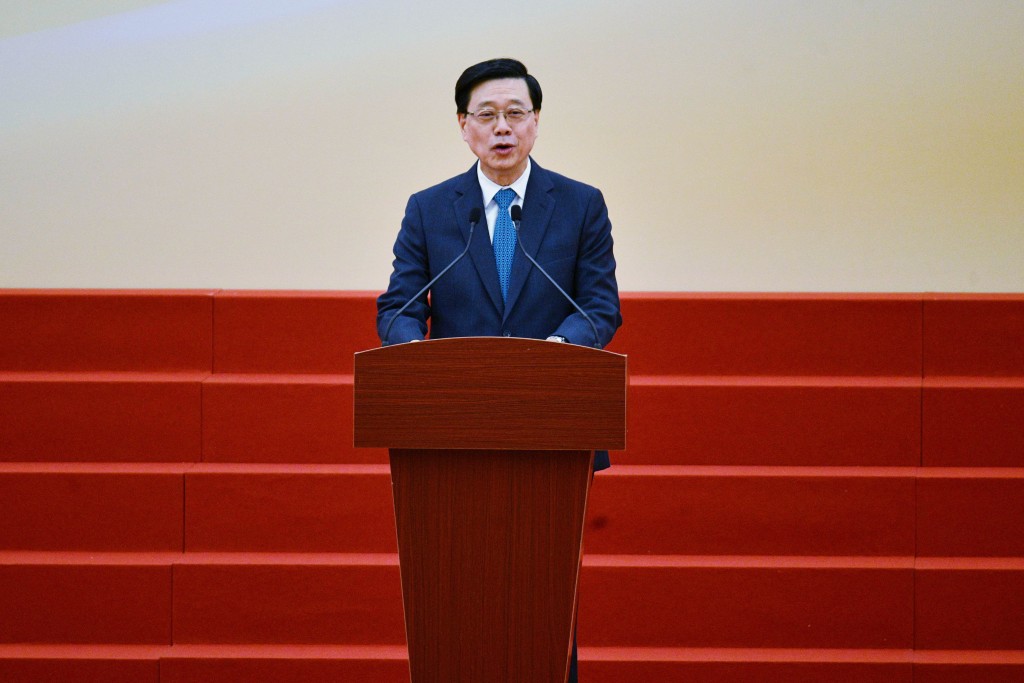
Secretary for Education Christine Choi Yuk-lin said in Legco yesterday the mechanism's second and third tiers were operating smoothly, with 69 referrals to external support teams.
"Besides, the bureau has also collaborated with the Social Welfare Department in arranging for support network teams to visit around 150 secondary schools to organize mental health activities since February with a view to enhancing students' awareness as well as to strengthen their ability to adapt and their awareness of the avenues to seek help," she said.
School principals, she said, were the ones who referred 168 students to the Hospital Authority, and they made a further 75 telephone inquiries in the first quarter, 3 percent of which were urgent cases and 40 percent were semi-urgent.
Replying to Tik's suggestion that designated case managers be assigned to follow up on those at risk, Choi said any measure to enhance student protection would be considered in a holistic manner.
She also said teachers in schools would closely observe and intervene in the cases of students with unusual performance, and that joint support would be provided by the school-based psychology program and social workers.
Chu Kwok-keung, for the education sector, expressed concern about a school culture that seeks to cram students and asked whether changes can be made to the highly competitive nature of the system.
Choi said the bureau is always finetuning the curriculum and requiring teachers to make adjustments to coursework in accordance with students' situation.
Regarding the 4Rs Mental Health Charter launched by the bureau in April to foster rest, relaxation, relationships and resilience, she said 340 primary and secondary schools have applied to join as of May 31, accounting for 34 percent of all public sector schools and direct subsidy scheme schools.