Read More



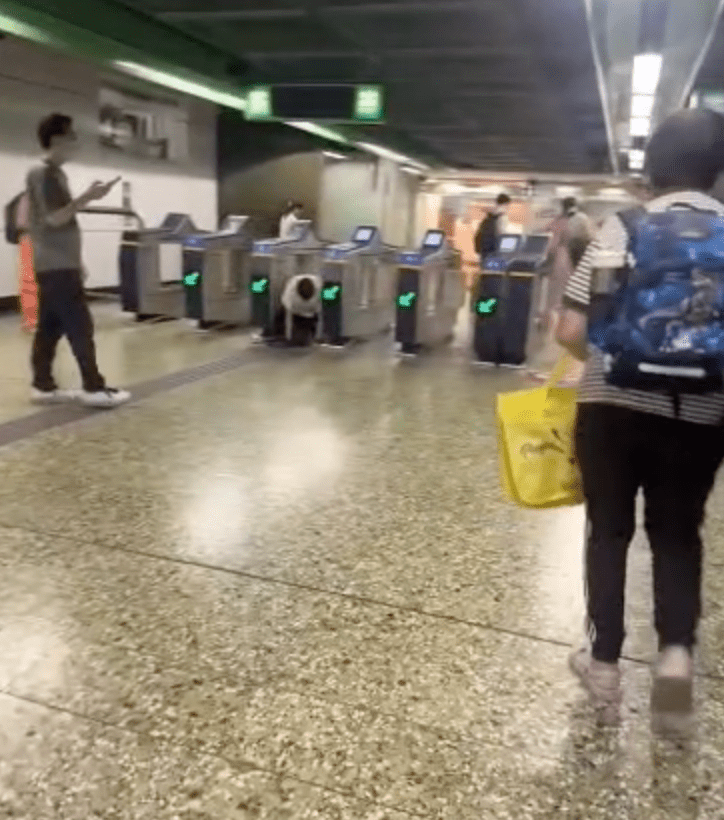
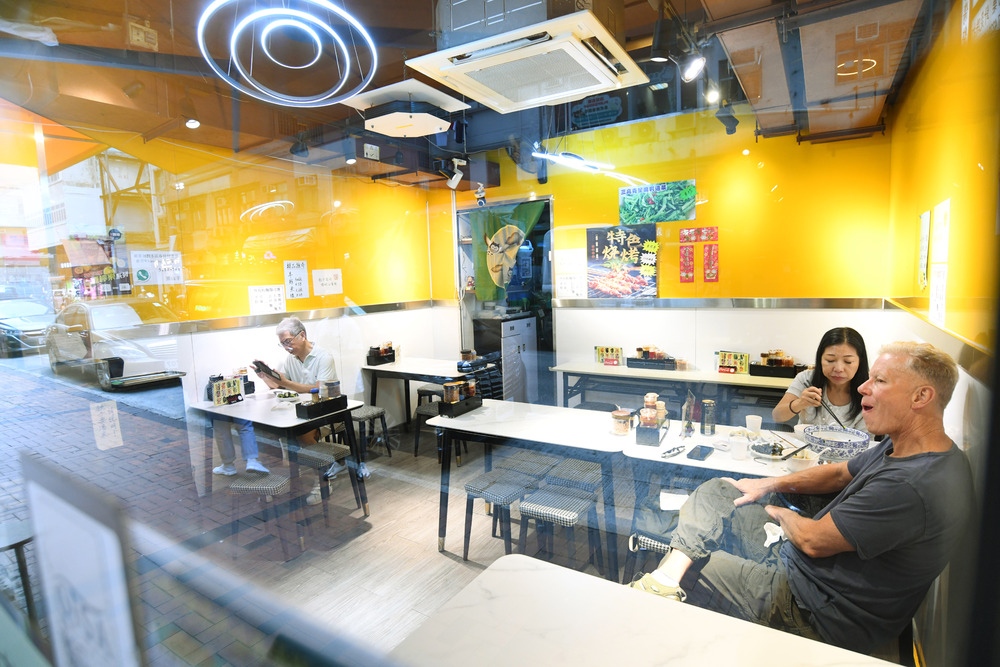
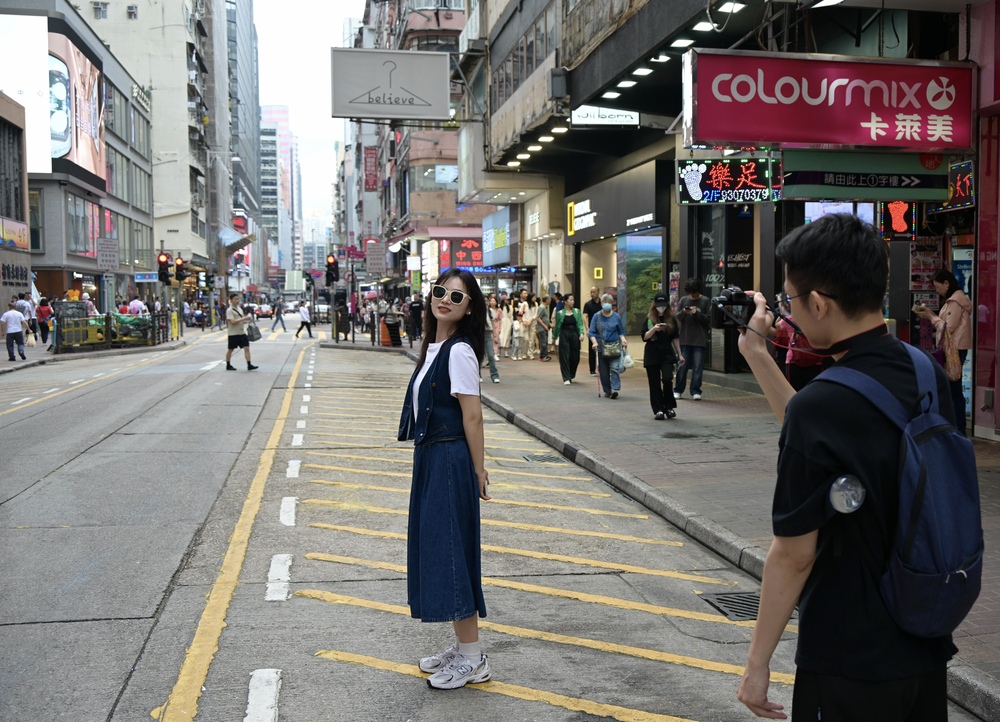
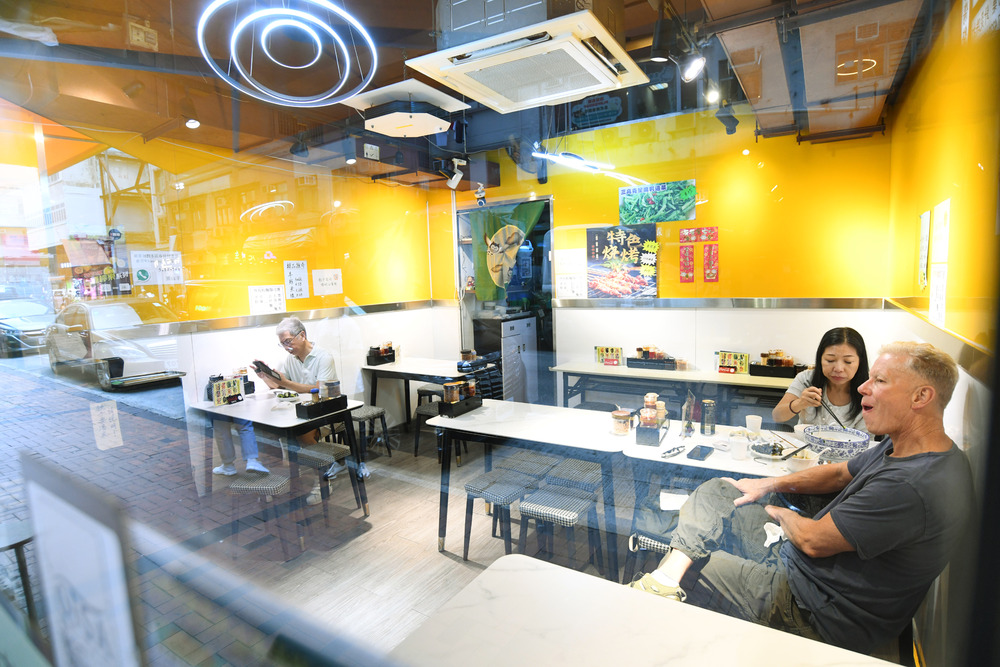
Restaurants in Hong Kong suffered a 40 percent drop in business as over 1.5 million residents left the city during the four-day Easter holiday, with most traveling to the mainland.
Many of the holidaymakers started returning to the city yesterday morning to avoid peak-hour traffic.
As of 4pm, around 478,000 travelers passed through the border control points between Hong Kong and Shenzhen - of which around 183,000 were returning residents.
Lo Wu port was the busiest among all land ports with 83,168 using the control point, while the Hong Kong-Zhuhai-Macao Bridge and Lok Ma Chau Spur Line border control points had 69,584 and 68,891 travelers respectively.
Due to Hong Kong and Shenzhen authorities' early appeal to avoid the peak hours between 2pm and 12am, many travelers opted to return home early in the morning.
A traveler at the mega-bridge said: "I think there will be fewer people at the control point if I come back early."
Another, Chan, said: "Travel time took more or less what I expected. I started my return two hours earlier so I arrived two hours early. There were no delays and the whole process was very smooth."
In Lo Wu, long queues appeared before night fell, with people crowding the MTR station since the afternoon.
Traveler Ho said: "My children have to go to school tomorrow [today], so we have to make an early return or else there might be many people crossing the border at night."
EGL Tours executive director Steve Huen Kwok-chuen said the outbound travel count doubled this year, with the number of tourists visiting the mainland increasing threefold.
Huen said the tour groups and flight tickets were 10 to 30 percent cheaper than the same period last year, and 90 percent of travelers opted for individual visits.
But Hong Kong Federation of Restaurants and Related Trades president Simon Wong Ka-wo warned that the trend of people spending holidays in the mainland will rock the catering sector's confidence in the short term.
The 40 percent drop in business in dinnertime during the long holiday, he added, was a "big warning signal" to the industry.
"Local restaurants' daytime business fell by more than 20 percent. I had expected a 30 percent loss in the dinner business but it reached over 40 percent," Wong said.
"Overall, the catering business dropped more than 30 percent compared to the Easter holiday last year, when many Hongkongers stayed despite the border reopening."
High-end restaurants took the biggest hit as many people with more spending power traveled overseas, Wong said.
He urged the government to promote local consumption by hosting large-scale events across the city, not just in specific areas such as West Kowloon and Tsim Sha Tsui.
Wong said around 200 to 300 restaurants ceased operation over the past month and he believes the market will not improve this year.
Tourism and retailing sectors also took a hit, with some merchants seeing business losses over the Easter break.
Fewer people visited Sai Kung and Stanley, usually popular tourism destinations during the Easter holiday, merchants said.
"I haven't seen such a bad situation during holidays in Sai Kung for decades," a restaurant owner said.
He added: "People either traveled overseas or visited the mainland - not many people stayed in Hong Kong. Authorities should pay attention to the situation. Building the Greater Bay Area is a good thing but we cannot push everyone there. What about Hong Kong?"