Read More
The implementation of the municipal solid waste charge on August 1 poses challenges for kindergartens, leading one of the sector's leaders to issue a call for a cleaning subsidy to be set up.
ADVERTISEMENT
SCROLL TO CONTINUE WITH CONTENT
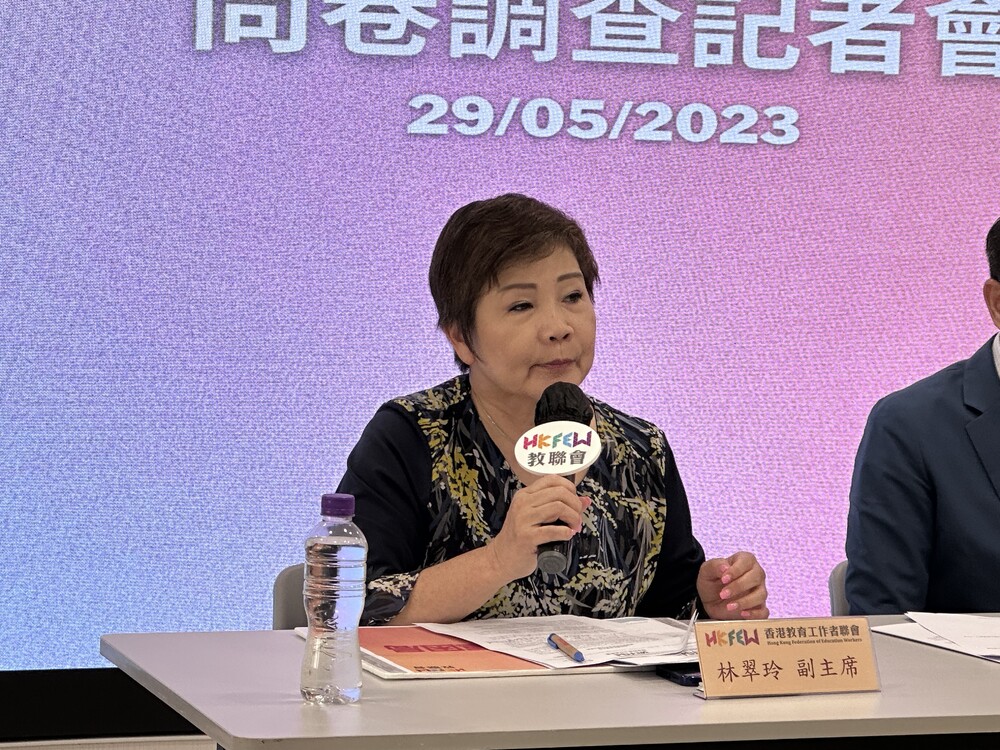
Nancy Lam Chui-ling, a principal and the vice-chairwoman of the Hong Kong Federation of Education Workers, expressed concerns about the impact of waste charging on kindergarten operations in light of the territory-wide woes with student admissions.
From August 1, residents will be required to purchase designated trash bags, priced from 30 HK cents to HK$11, to dispose of domestic rubbish.
Lam said "this additional expense will amount to HK$6,000 per year for a kindergarten, as they are estimated to require three of the largest designated bags daily, which cost HK$11 each, for garbage disposal."
Also, she said, some kindergartens will also need to bear the cost of disposing of diapers on a daily basis.
"It is not reasonable to expect children to bring diapers home, and kindergartens do not wish to transfer the cost of waste disposal to parents."
Lam also said the scheme will result in an additional cost of HK$20,000 for a kindergarten with 24 classes to replace all seats and desks. To mitigate these expenses, Lam's kindergarten has already disposed of some large garbage, including desks and chairs, during the Lunar New Year holiday.
As kindergartens are self-financing, Lam said "they can only allocate a portion of their operational funds to cover waste charging expenses while attempting to reduce other costs."
She called for a subsidy based on the number of pupils enrolled.
Lam also said her kindergarten is considering alternative materials to replace plastic food boxes to cut costs. "Meal suppliers do not wait for students to finish their lunches and collect the food boxes, which subsequently need to be disposed of by the kindergartens," she said.
Lam also pointed to the confusion within the industry regarding certain details of the charging scheme, calling for clearer guidelines, particularly in relation to defining large garbage and identifying recyclable items.
Lam hoped that the government would organize more seminars and trans-departmental meetings to explain the policy and engage in discussions with the sector.
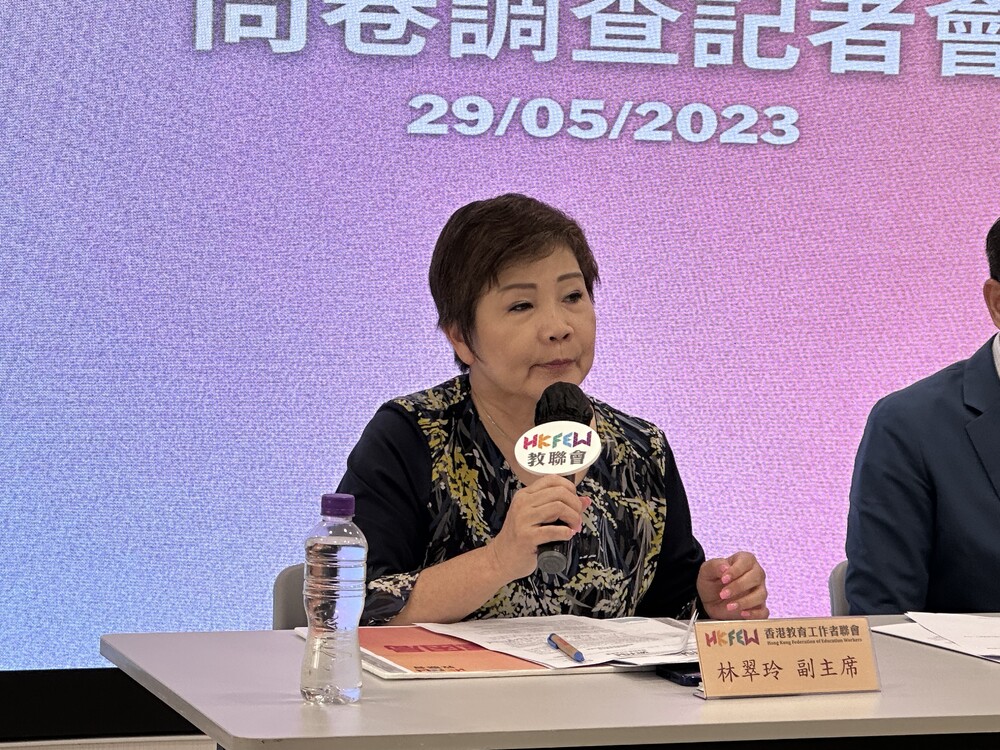
Nancy Lam