Read More








Night Recap - October 15, 2026
7 hours ago



Transport chief takes a back seat on fining transit nuisance behavior
14-10-2026 18:09 HKT
HK Electric has successfully developed a fish deterrent system that has significantly reduced the number of fish entering its generating system through seawater.
Since its implementation in 2019, the system has achieved a remarkable 99 percent reduction in fish intrusion.
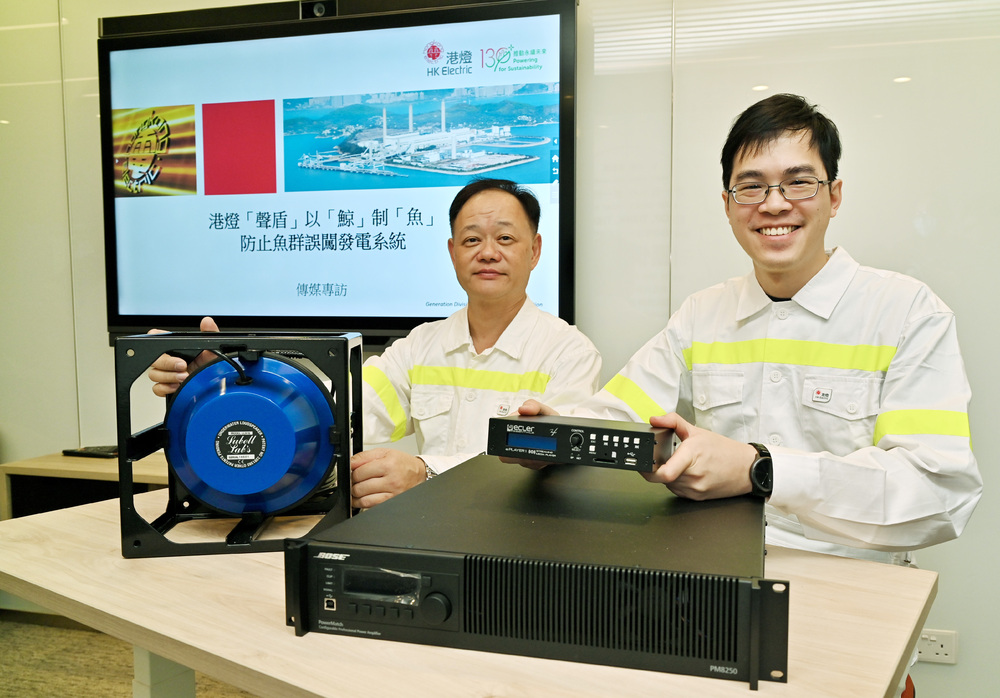
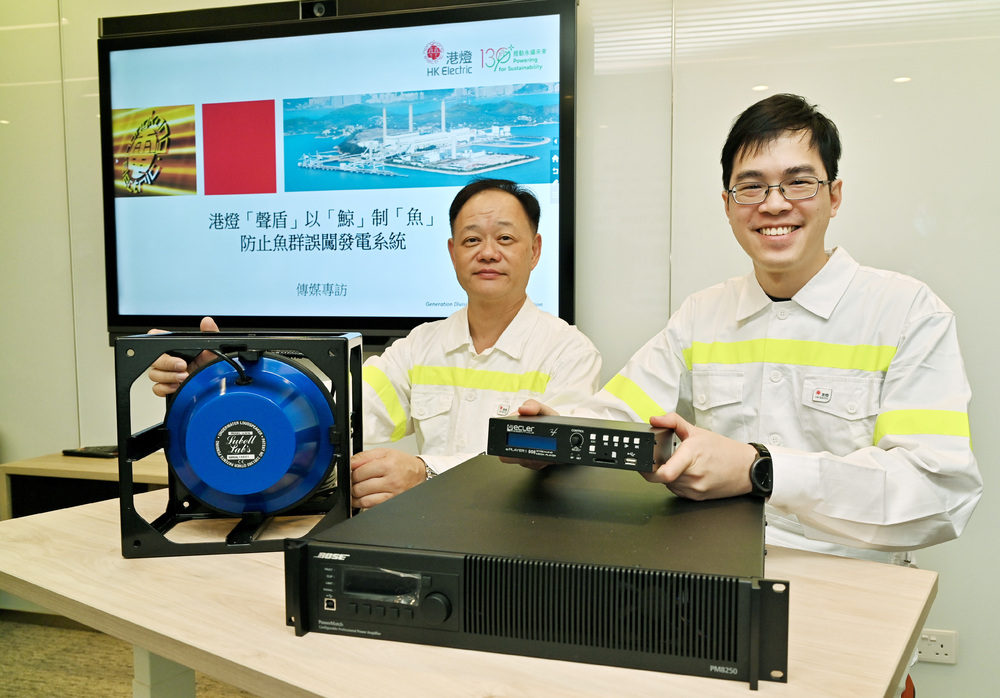
The system utilizes a player, an amplifier, and three to four loudspeakers to broadcast various underwater sounds, including those of whales, at different frequencies. This effectively drives the fish away from the water inlets of the Lamma power station.
Michael Ho, the technical services engineer of the generation division at HK Electric, said the seawater is for cooling down gas and coal-fired generating units to maintain stable operations.
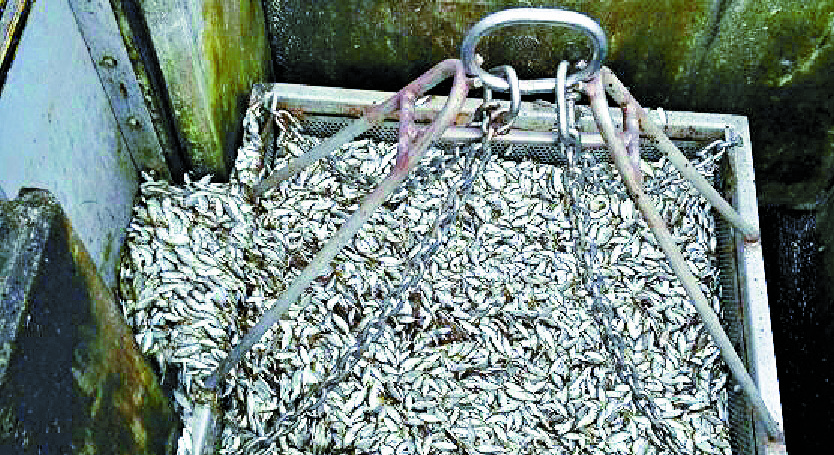
However, he added that the presence of trash and marine organisms in the water inlets can cause damage to the cooling system. Previously, the power station used bar and drum screens to filter out debris. Although it was effective, this method incurred substantial costs for cleaning and disposing of the fish caught in the screens.
"During the breeding period from June to September each year, fish tend to gather near Lamma Island. In 2019, the power station collected tens of thousands of kilograms of small fish during the peak months of fish activity," Ho said.
"However, since the implementation of the fish deterrent system in June 2019, the monthly collection of fish has been reduced by 99 percent, reaching a mere 50 kilograms in the previous year compared to the initial 57,800 kilograms in June 2019."
Ho said that the enhanced system has significantly reduced the operational costs associated with cleaning, transporting, and disposing of fish collected in the system.
"Previously, three to four workers were required on a daily basis to collect fish and clean the screens due to the large volume of fish. However, after implementing the fish deterrent system, only one worker is needed to clean the screens once a week," he said.
"The fish bodies collected can now be treated as food waste within the plant, eliminating the need for delivery to landfills."
Mak Kwong-sam, a senior technician in the generation division at HK Electric, said the system not only minimizes the impact on the marine environment, but it also maintains the stable operations of the power plant.
The team began studying fish deterrent methods in 2018 and explored various international practices, including power grids, sound waves, and flashes.
"After careful evaluation, we determined that broadcasting sound underwater was the safest and most environmentally friendly approach. By placing the loudspeakers near the water inlets and playing sound continuously, most fish are deterred from approaching the inlets upon hearing the sound."
Mak stressed the cost-effectiveness of the system and said the savings from cleaning and repairing screens have already offset the developmental costs within just three years.
"The system itself is relatively inexpensive, with a set costing only tens of thousands of Hong Kong dollars," he said, adding that it will be expanded to the water inlets of the new L12 generation unit, which is expected to come into operation in the first quarter of this year.
The team plans to introduce new sounds to further enhance the system's effectiveness, Mak said.