





Read More



Night Recap - June 2, 2026
4 hours ago


Typhoon signals depend on low-pressure system’s track and speed, say HKO
01-06-2026 20:17 HKT
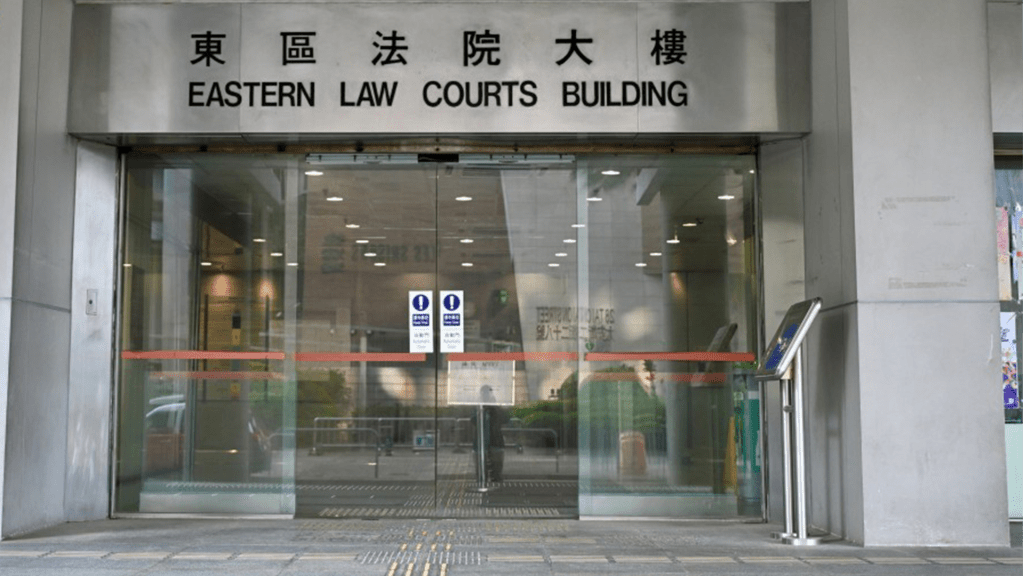
HK to bake in 36-degree heat on Friday before five-day rain spell
01-06-2026 17:31 HKT


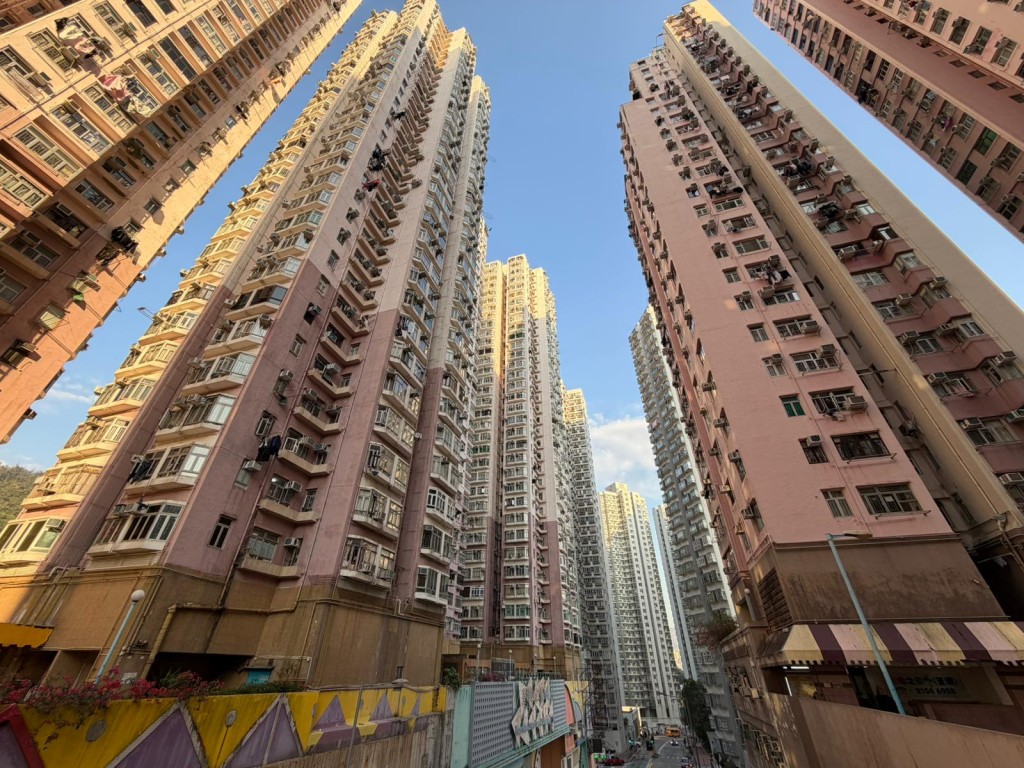
To address the long-standing and frustrating issue of water seepage in residential buildings across the city, the government has announced new testing procedures designed to significantly accelerate the investigation and handling of complaints, set to be implemented from the middle of this year.
Under the current system, the Joint Office—a collaborative unit formed by the Food and Environmental Hygiene Department and the Buildings Department—conducts a three-stage investigation to identify the source of seepage, a process often criticized as slow and costly.
The new scheme will enhance the critical first stage by incorporating infrared thermography, allowing for a much faster initial screening to locate the source of the leak.
Once the source is confirmed, the new workflow mandates that a notification letter will be promptly issued to the owner of the responsible flat.
This letter will require them to conduct their own detailed inspection and complete necessary repairs within a specified deadline, placing the initial onus on the owner to resolve the issue.
Should the water seepage persist beyond the given timeframe, the Joint Office will then escalate the matter by launching a formal investigation.
Crucially, the government will seek to recover the full cost of this official examination—currently estimated to be over HK$17,000—from the non-compliant owner.
The government projects that this streamlined procedure will dramatically cut down waiting times for residents, with the goal of issuing notification letters within just 14 days of receiving a complaint.