Read More


Night Recap - May 6, 2026
2 hours ago



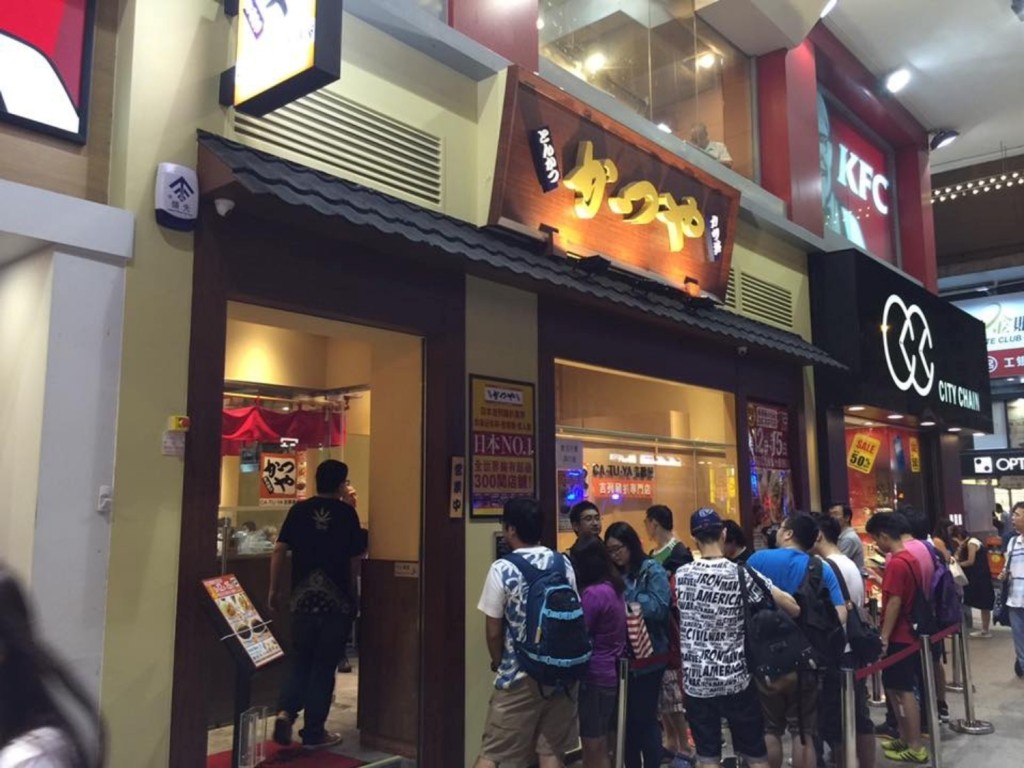
Tonkatsu chain Ca-Tu-Ya goes dark across Hong Kong, exit suspected
05-05-2026 16:48 HKT
Organizer Tatler Asia missed three "golden opportunities" to prevent Lionel Messi's non-appearance in the exhibition match from turning into a public relations disaster, a scholar says.
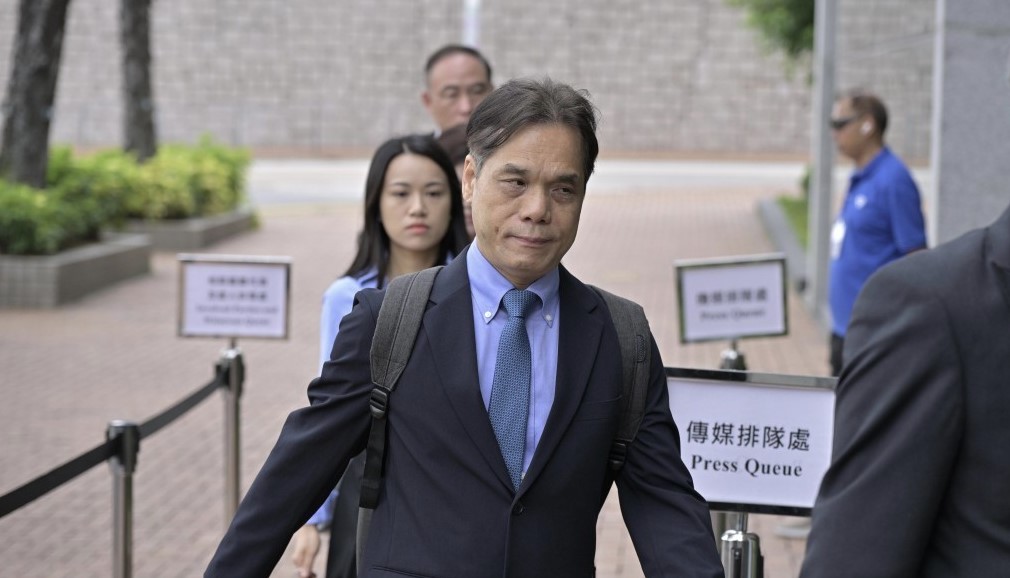
Associate professor James Chang Chih-yu of Hang Seng University of Hong Kong's School of Communication said Tatler's opportunities could have prevented the situation from going from bad to worse but the company missed the three.
"The first golden opportunity was at half-time when they first realized Messi might not be playing," Chang told Sing Tao Daily, The Standard's sister paper.
"They should have at least unofficially released information to the media that Messi would not be playing, which could act as kind of an expectation management."
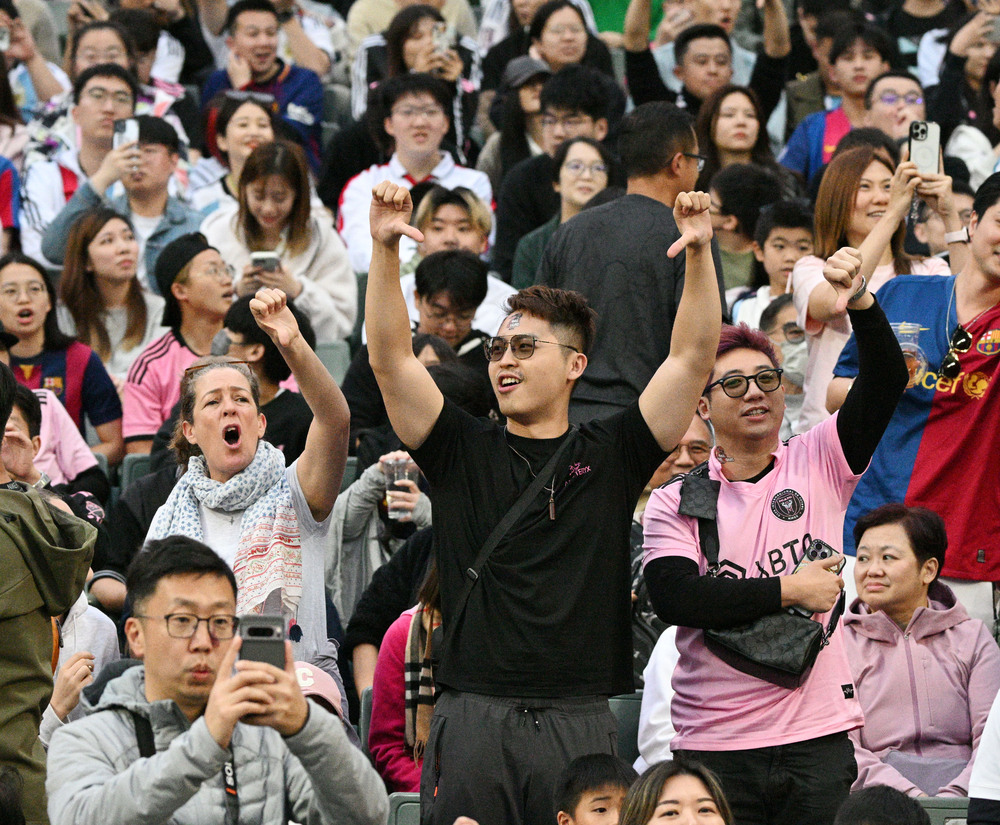
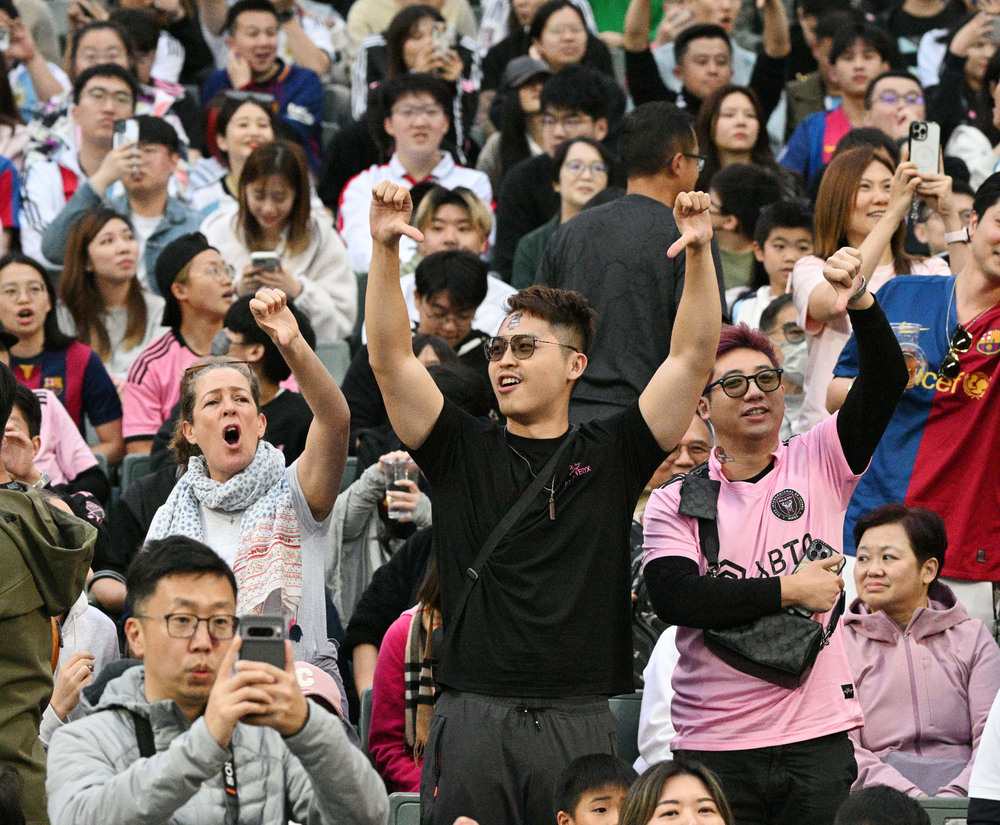
The second missed opportunity was after the referee blew the final whistle when fans were booing.
"They should have wasted no time and provided an explanation of the situation to fans at the stadium," Chang said.
"The third opportunity was immediately after the government released two statements expressing disappointment toward Messi's no-show. Tatler Asia did release a statement at a later time, but it came too late."
But matters got even worse when Tatler decided to not take reporters' questions during a press conference on Monday.
"After calling reporters from multiple media outlets in Hong Kong to attend the press conference, they only read out a statement and left the room while also failing to address the core concern of reporters and citizens - whether there would be a refund," Chang said.
The announcement to give up the government's HK$16 million grant also did not help either as it came after the government distanced itself from Tatler.
"The announcement gave people an impression that the organizer did not care about the government grant, and not touching on refund arrangements also painted a picture that the organizer did not care about the audience, which was in fact the biggest stakeholder of the incident," Chang said.
John Grady, a sports law professor at the University of South Carolina, said the marketing hype in promoting the event to global fans created high expectations, coupled with government subsidy of the event.
"This also raised the expectations that marquee players would appear as advertised," he added.
Even though fans knew the games were for practice and meaningless in any standings, they still chose to pay high prices and attend.