Read More




Night Recap - September 28, 2026
15 hours ago



HK faces week of extreme heat with temperatures soaring to 34 degrees
28-09-2026 03:01 HKT
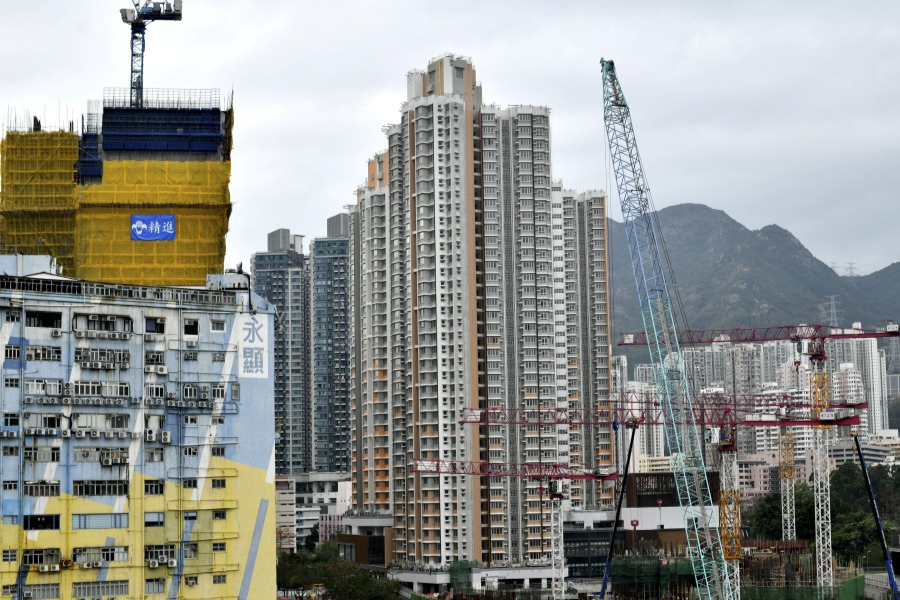
The Hong Kong Monetary Authority said yesterday that it monitors the market and its policies regularly and will make appropriate adjustments after a report saying that the de-facto central bank is re-examining whether to maintain an interest rate requirement of 2 percentage points for mortgage stress tests amid a sluggish market.
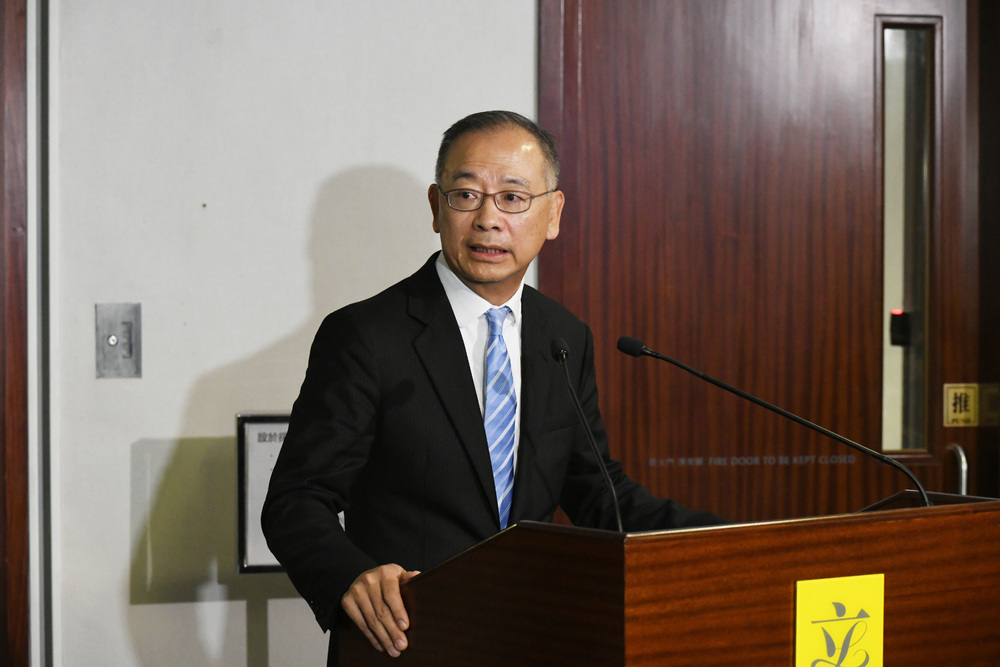
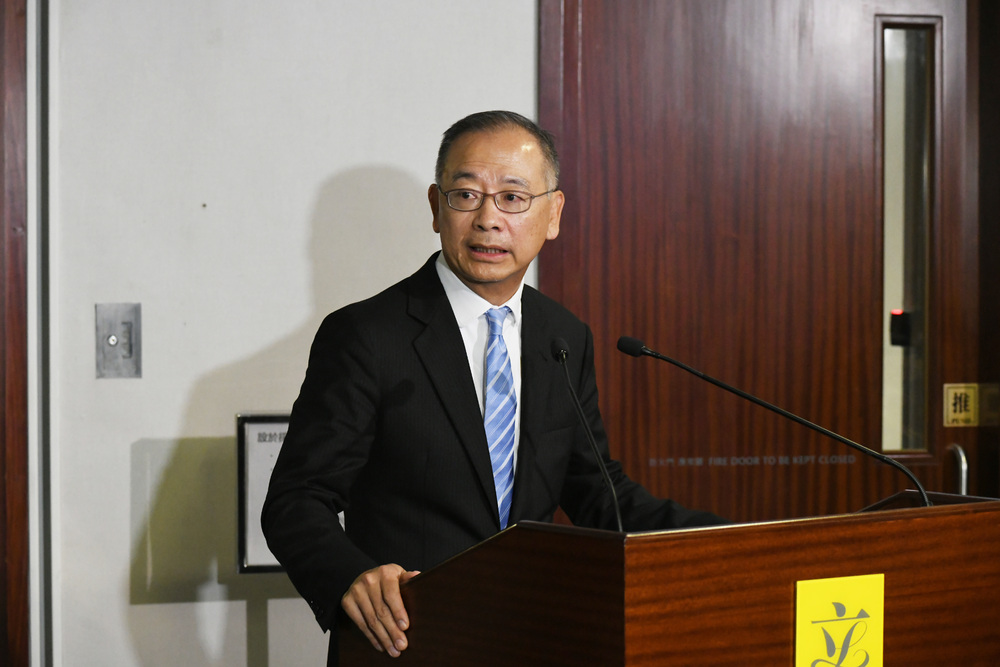
Regarding suggestions of using foreign exchange reserves to buy Hong Kong stocks, HKMA chief executive Eddie Yue Wai-man said this is not common practice globally as foreign exchange reserves are generally invested in overseas assets and Hong Kong is no exception. The proportion of Hong Kong stocks in the Exchange Fund will not be increased or decreased, Yue reiterated.
Attending a Legco panel meeting yesterday, Yue said the authority reviews changes in the market regularly and will consider various factors such as property prices, transaction volume, as well as the local and global macro environment, before making decisions.
It comes after the Hong Kong Economic Journal reported that HKMA is reviewing a series of rules regarding stress testing and mortgage loans, including interest rate requirements for stress tests, debt servicing ratio and loan-to-value ratio, citing sources.
The authority had lowered the interest rate stress testing requirement to 2 percentage points from 3 percentage points in September 2022 in response to higher interest rates and a weaker market. Under the new requirement, the stress test looks at borrowers' repayment capability if interest rates rise at least 2 percentage points.
Raymond Chong, StarPro Agency's chief executive, believes further reducing such a ratio is a reasonable measure to boost the property market. But Chong added that the possible relaxation will have limited impact on first-time homebuyers as they are not required to undergo a stress test as long as they do not exceed the cap on debt servicing ratio, which may make it easier for people who already bought homes with mortgages to pass stress tests.
The recent surge in the number of residential mortgages in negative equity more than doubled in the fourth quarter last year to over 25,000 - the highest in nearly two decades.
Separately, a survey by HKMA released yesterday shows that 31 percent of small and medium-sized enterprises feel it "more difficult" to obtain credit approval in the fourth quarter of 2023 amid higher rates, up from 28 percent in the previous quarter.
The quarterly survey covered about 2,500 SMEs from different economic sectors each time, which helps monitor the development of SMEs' access to bank credit from a demand-side perspective, HKMA said.