Read More





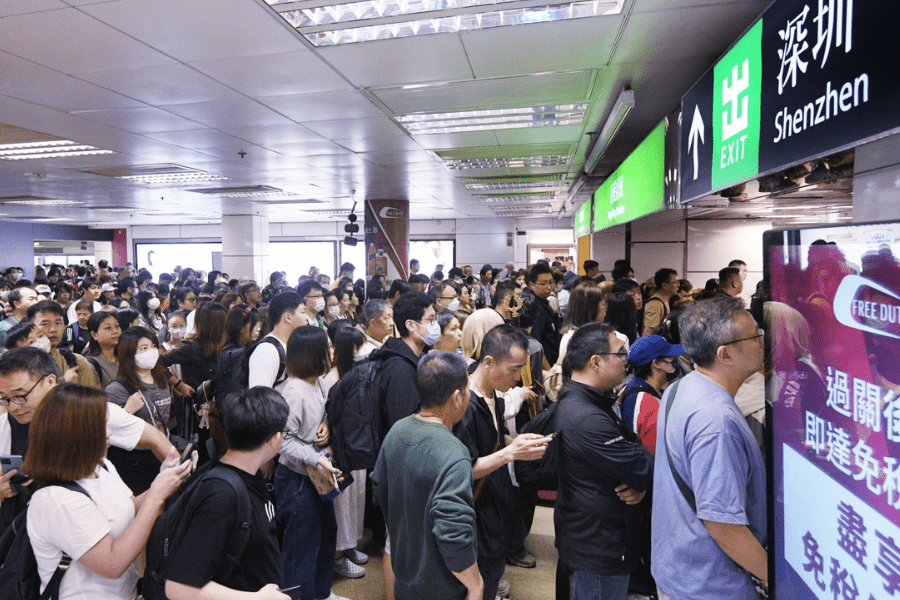
Nearly 1.26mn Hongkongers hop out of town, with 225,000 crossings by 10am
05-04-2026 17:11 HKT


Families disappointed after Discovery Bay Easter Egg Hunt cancellation
05-04-2026 19:58 HKT
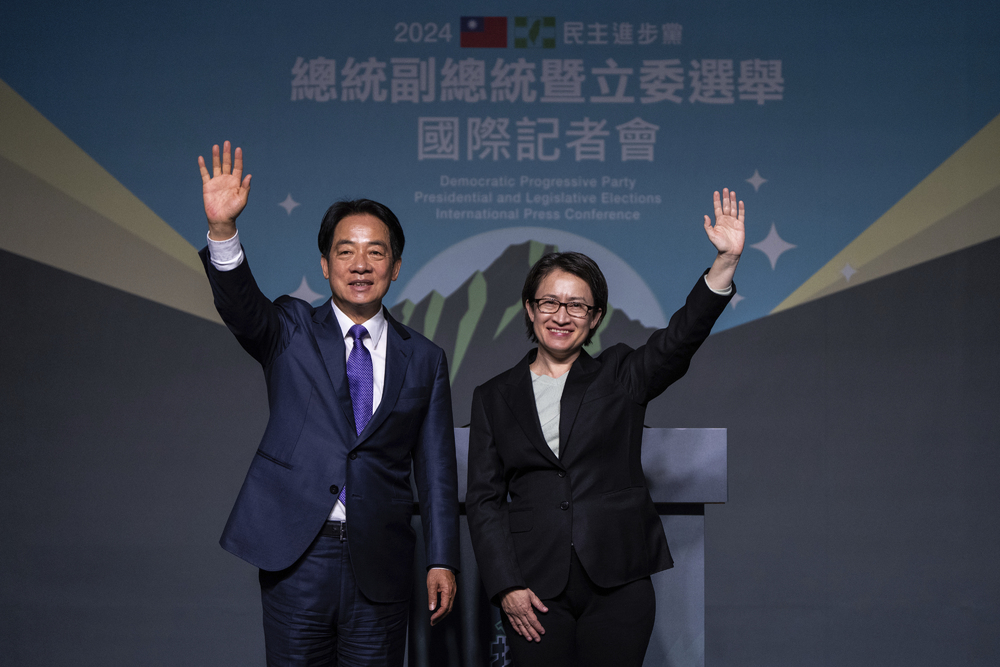
China's foreign ministry and embassies around the world warned countries against supporting Taiwan's Democratic Progressive Party and condemned governments that congratulated the island's president-elect Lai Ching-te.
After Lai won the election on Saturday, several ministers and politicians from other countries sent congratulatory messages.
This drew swift responses from China, highlighting Beijing's sensitivity to other countries appearing to give legitimacy to a candidate and political party it views as "secessionist forces" hoping to turn Taiwan into an independent sovereign nation.
The ministry described a statement from US Secretary of State Anthony Blinken, who congratulated Lai, as "sending a seriously incorrect signal" to "Taiwan independence separatist forces."
It added: "China has always firmly opposed any form of official exchanges between the US and Taiwan."
Blinken said the United States "is committed to maintaining cross-strait peace and stability, and the peaceful resolution of differences, free from coercion and pressure."
The Chinese embassy condemned what it called the "incorrect actions" of British foreign minister David Cameron after he said the elections were a "testament to Taiwan's vibrant democracy."
The embassy said: "We urge the United Kingdom to acknowledge the position that Taiwan is a province of China, cautiously handle Taiwan-related matters in accordance with the one-China principle>"
Lai could face a tough four years in office with no parliamentary majority and an opposition which wants to restart a vexed service trade deal with China.
He won by a comfortable margin, though with less than half the vote, but his party lost control of parliament on which Lai will have to rely to pass legislation and spending. He takes office on May 20.
China pointed out that most electors voted against Lai, with its Taiwan Affairs Office saying the DPP "cannot represent the mainstream public opinion."
Lin Fei-fan, a former DPP deputy secretary general, who is now a senior member of a party think tank, said he is "fairly worried" that the new government will have a "very tough" time especially on China-related issues.
He said opposition lawmakers, who form a legislative majority, could step up exchanges with China and ask to restart the controversial service trade pact which Taiwan shelved a decade ago. "That's what concerns us," he said. "Local governments and parliament could form a line to pressure the central government."
American President Joe Biden, meanwhile, said the United States does not support the independence of Taiwan.
"We do not support independence," Biden said.
Biden has previously upset China with comments that appeared to suggest the US would defend the island if it were attacked, a deviation from a long-held US position of "strategic ambiguity."
His comments appear to be an effort to reassure Beijing.
Meanwhile, a delegation of former top US officials is set to arrive in Taiwan today to meet leading political figures.
It is led by former national security adviser Stephen Hadley and former deputy secretary of state James Steinberg.