Read More



Night Recap - May 22, 2026
5 hours ago







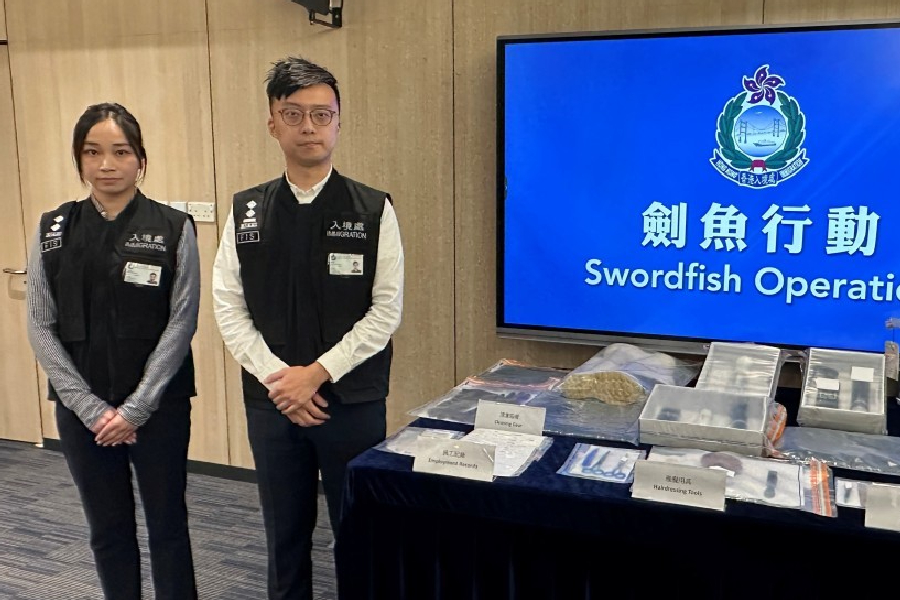
ImmD crackdown targets moonlighting domestic helpers arresting 17
19-05-2026 17:52 HKT

One dead, four injured in Jordan flat fire, 200 residents evacuated
22-05-2026 00:48 HKT
Hong Kong's telecoms regulator has unveiled plans for the launch of the SMS Sender Registration Scheme to combat fraudulent messages and scams by helping consumers verify the identity of senders.
The Office of the Communications Authority said senders can use registered SMS identities with the prefix # to send text messages to local mobile subscribers, starting with the telecoms sector next Thursday.
The first batch of participants - 23 major mobile network operators - will use registered SMS sender IDs with the prefix # to send SMS messages to local mobile service users to help people verify the identities of senders.
Telecom networks can also block unregistered senders from sending SMS messages with # contained in the IDs.
But due to technical problems there is a four-month transition period when people may not receive #-prefixed messages sent by registered operators.
Authority assistance director Sidney Tsan Siu-yan said people can contact mobile service operators for verification if they have any doubts during the transitional period.
Tsan noted that more than 100 telecoms companies are operating in Hong Kong, but some have a very low market share or do not send SMS messages. So the 23 participating companies already cover most of the SMS senders in the telecoms sector.
But the scheme will not apply to SMS messages to which a receiver is expected to reply via phone numbers and those from senders using similar IDs with registered telecom providers lacking the # prefix.
People are also reminded that even with the registration scheme in place they must be alert to messages from unknown senders but can check registered senders on the authority website.
"They must not disclose to unidentified senders any personal information, bank account numbers or credit card details, transfer money or access any hyperlink in the SMS messages," Tsan said. "Should there be any doubt they should report it to the police immediately."
The authority also plans to expand the scheme to other sectors while closely monitoring its implementation, with the banking industry expected to join in the first quarter of next year.
"The authority will also continue to collaborate with police and the telecommunications sector to enhance education and publicity in a comprehensive manner to ensure anti-fraud messages can be delivered to all members of the public to remind them to always stay vigilant," Tsan said.
The honorary president of the Hong Kong Information Technology Federation, Francis Fong Po-kiu, welcomed the initiative, saying allowing mobile service operators to take the lead in registrations enables authorities to assess the effectiveness of the scheme.
"Since the majority of the legitimate SMSs are sent by the operators I think it is a very good test platform," he added. "So the operators test how effective this system will be, and then it will spread into the banking sector or government bodies."
stacy.shi@singtaonewscorp.com