Read More


Night Recap - May 22, 2026
6 hours ago








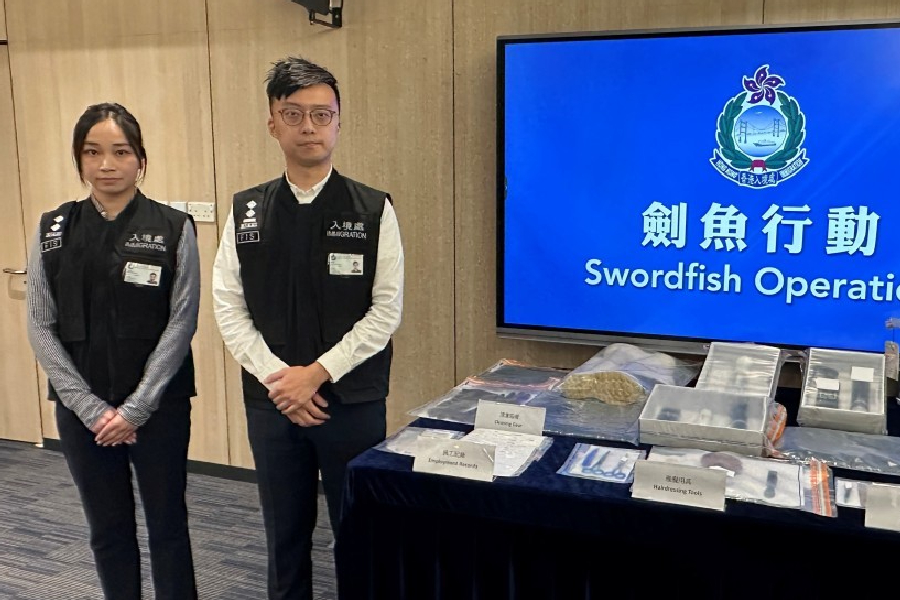
ImmD crackdown targets moonlighting domestic helpers arresting 17
19-05-2026 17:52 HKT

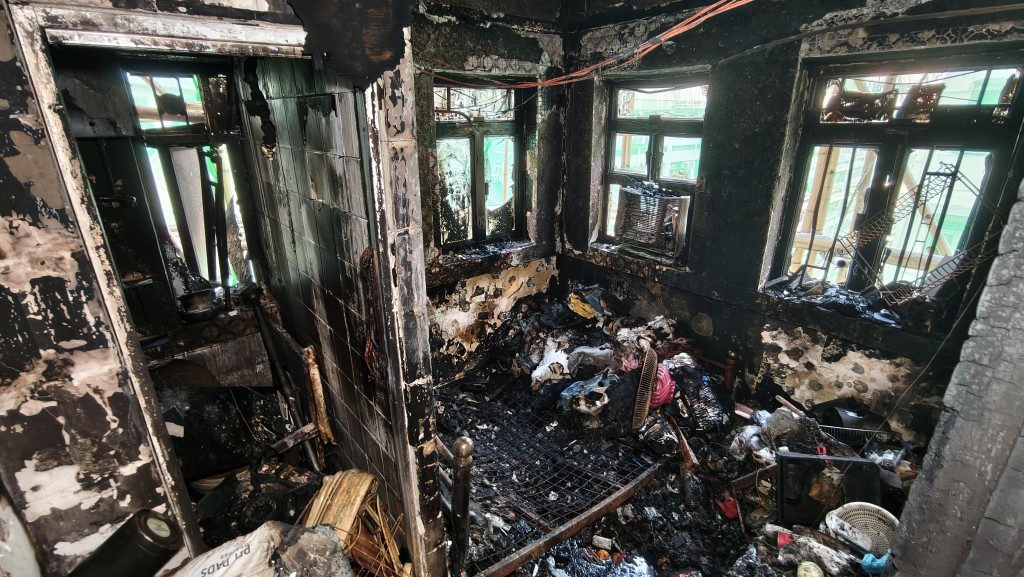
One dead, four injured in Jordan flat fire, 200 residents evacuated
22-05-2026 00:48 HKT
The Hospital Authority is purchasing smart oxygen cylinders in an attempt to reduce the risk of medical blunders after staff of the Caritas Medical Center in Sham Shui Po made a simple but deadly mistake.
They failed to turn on the oxygen valve for five minutes while transferring a 79-year-old man to the intensive care unit, and he died an hour later on Tuesday.
One ophthalmologist and two senior nurses with more than 10 years of experience were responsible for the transfer, but they will continue working without any suspension from duty.
Caritas Medical Centre chief executive Nelson Wat Ming-sun said the patient was supposed to receive cataract surgery on Wednesday and was hospitalized in advance to better manage his condition involving a chronic bowel ailment.
However, he suffered from abdominal pain in the early hours of Tuesday and lost consciousness in the morning.
His oxygen saturation also dropped to a low level of 88 percent but was restored to 95 percent after receiving oxygen therapy.
Wat said medics decided to transfer the patient to the intensive care unit at 11am. They left the eye ward on the eighth floor at 11.10am and spent five minutes reaching the ICU on the fifth floor, during which time the patient's oxygen saturation dropped to 80 percent.
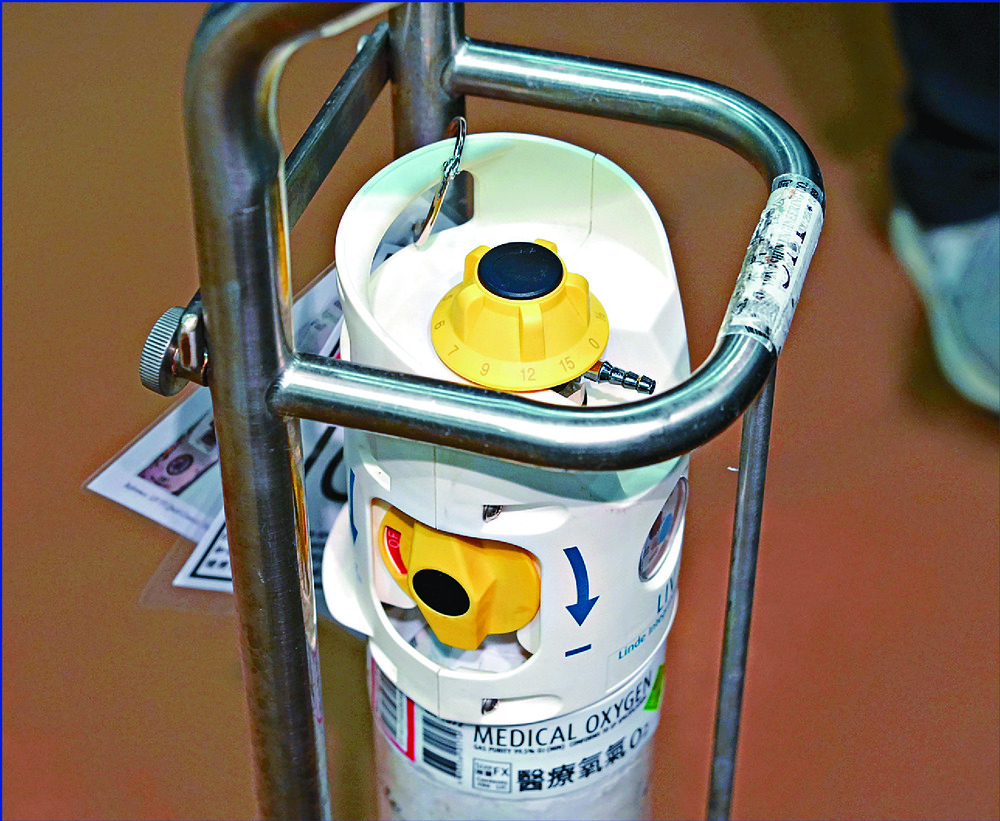
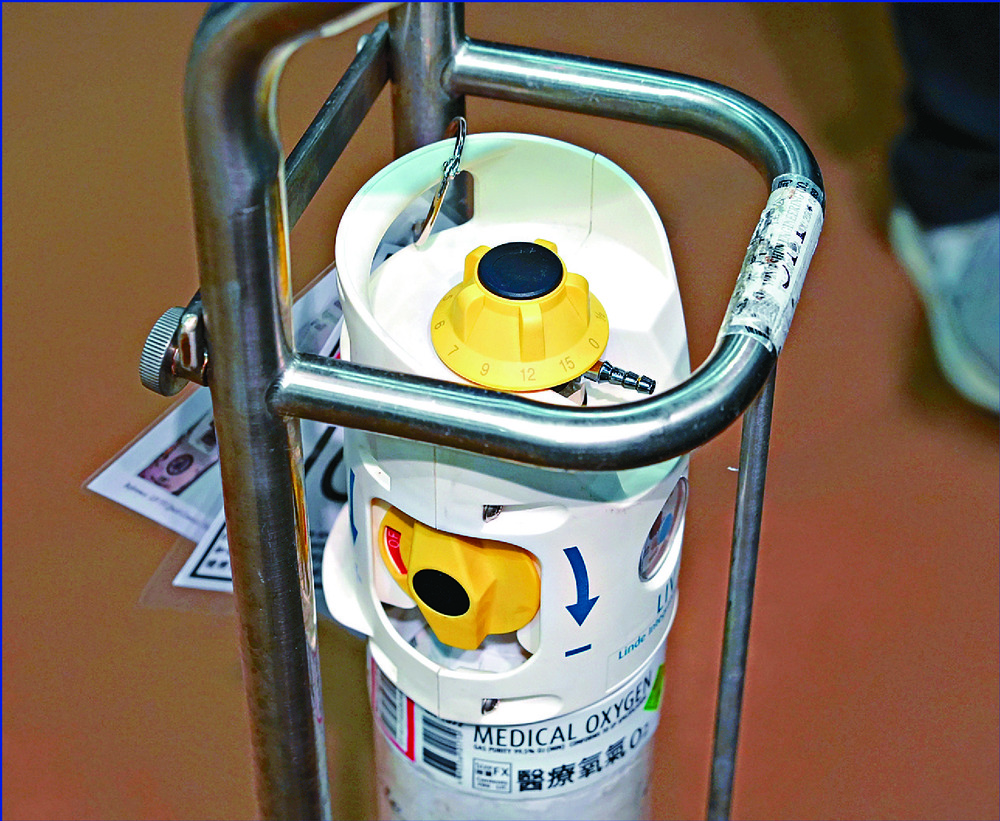
His situation deteriorated after arriving at the ICU at 11.15am, when medics found the oxygen valve on the cylinder was closed during the transfer.
The patient was certified dead at 12.50pm.
The authority will set up a root cause analysis panel to look into the incident and has reported the case to the coroner.
Asked who was responsible for turning on the oxygen valve, Wat said the authority must first compile details of the incident, noting that oxygen was a "supplement" rather than the only thing keeping the man alive.
"Before the panel and the Coroner's Court figure out what happened during the incident we will not say who was right or who was wrong," Wat said.
"As for colleagues involved in the incident, we will follow up with regular human resources procedures if they had failed to comply with instructions. Currently, some of them are on leave and some are working."
Cheung Wai-man, the Hospital Authority's director of quality and safety for the Kowloon West Cluster, said the whole team in charge of transferring the patient, including the doctor and nurses, should bear responsibility together.
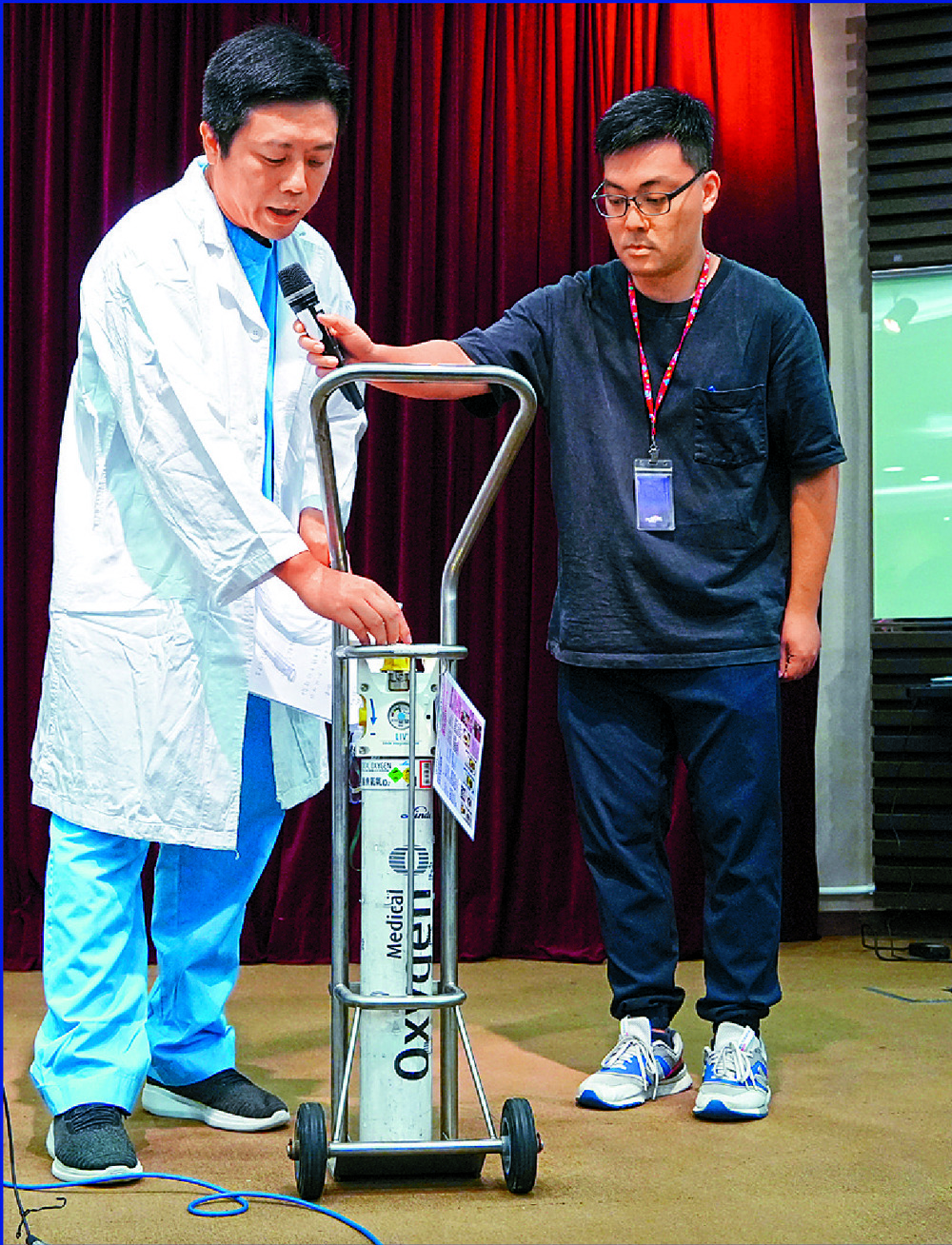
On the smart oxygen cylinder, which allows medics to monitor the use of oxygen with an electronic device, they will be available at public hospitals next year and should reduce the risk of accidents.
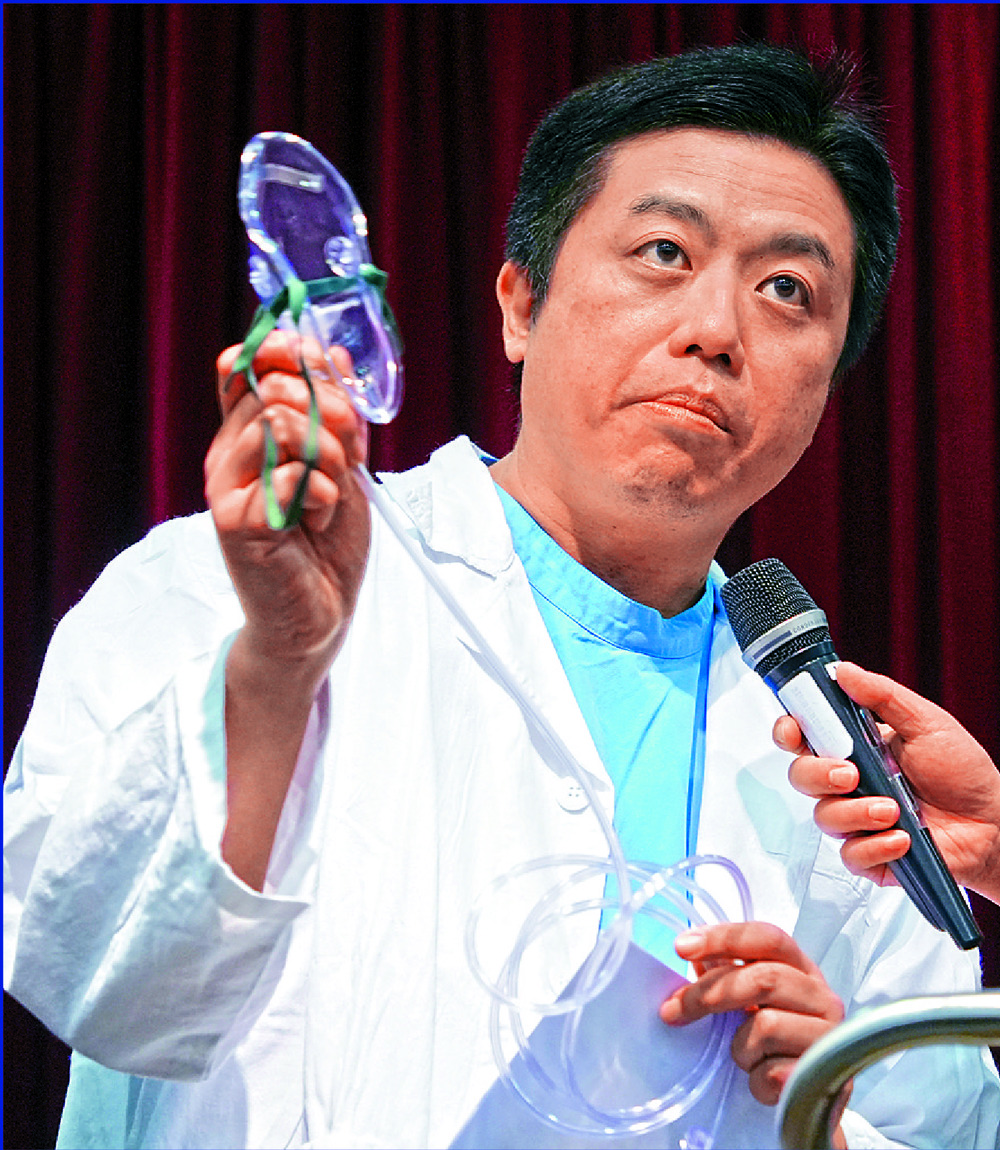
The Hospital Authority has also taken some immediate measures to remind medics of the correct procedures when using oxygen, including putting instructions on each cylinder and requiring staff to prove they know how to use them properly.
But patient rights advocate Tim Pang Hung-cheong said such a blunder was unacceptable.
"It's a basic medical procedure that senior doctors must check the oxygen supply when transferring patients," he said.
"Medics should undergo related training when they start work at public hospitals, and the Hospital Authority should from time to time remind its employees to follow instructions."
Pang also said a similar incident happened at Queen Elizabeth Hospital five years ago and slammed Caritas Medical Centre for failing to learn from previous experience.
The chairman of Hong Kong Patients' Voices, Alex Lam Chi-yau, said the incident might have involved human negligence as an oxygen cylinder is not a complicated medical instrument, and opening the valve is also not a procedure that requires particular training.
David Lam Tzit-yuen, the legislator who has oversight of medical and health services, said patients with low oxygen saturation could be treated by oxygen supply or by clearing the airway, adding the patient in the accident was not highly dependent on oxygen supply as he did not require a ventilator.
Lam also said medics might have forgotten to turn on the oxygen valve as they were not familiar with the design of the cylinder, urging the HA to enhance training and organize drills for patient transfer.
wallis.wang@singtaonewscorp.com