Read More




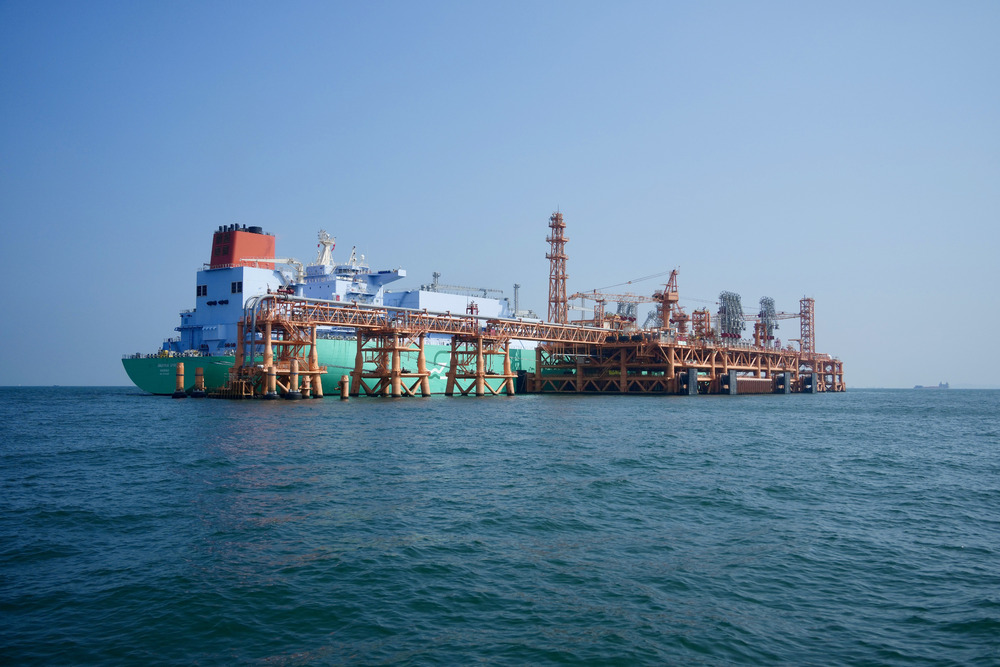
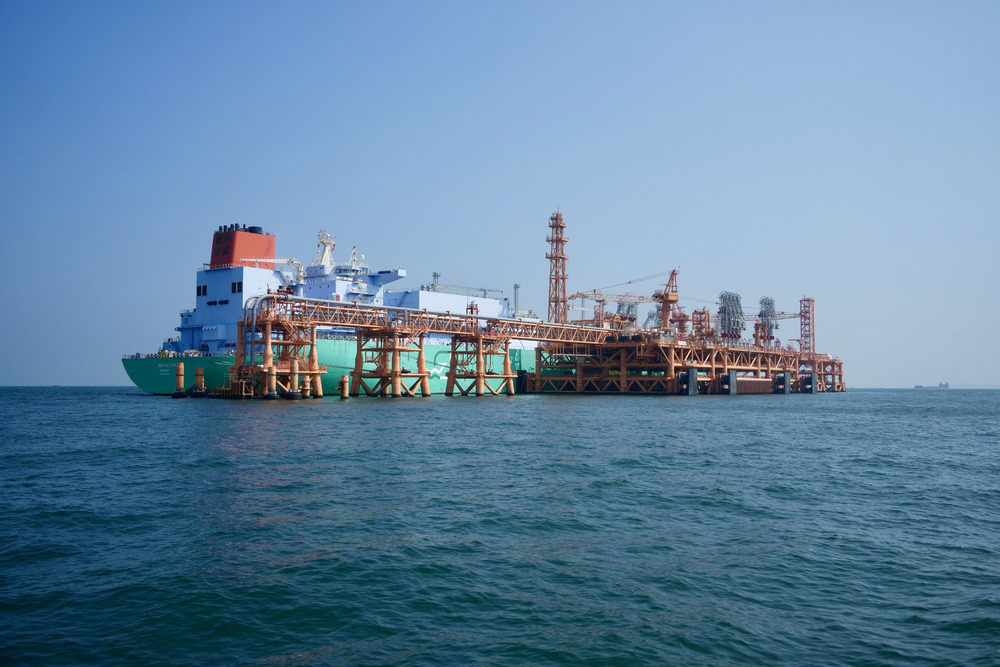
Hong Kong's first offshore liquified natural gas (LNG) terminal, owned by CLP and Hongkong Electric, has stored 150,000 cubic meters of natural gas since starting operation in July, allowing natural gas supply to be more stable for the two power companies.
Built at a cost of more than HK$8 billion, the LNG receiving terminal sprawls across approximately 8 hectares of sea surface area in the waters east of the Soko Islands
Up to yesterday, the Floating Storage Regasification Unit (FSRU) of the terminal has received supplies from five LNG carriers, storing roughly 150,000 cubic meters of LNG.
The two power companies believe the project can increase natural gas supply to Hong Kong and enhance the use of natural gas for power generation so much that carbon emissions can be reduced.
The power companies explain that at the end of the natural gas supply chain, an offshore LNG receiving terminal is established to store gas delivered by LNG carriers. The gas is then regasified on a FSRU consisting a floating storage and regasification unit.
After regasification, the gas is transported to the CLP Castle Peak Power Station and Hongkong Electric Lamma Power Station by two subsea gas pipelines. Their FSRU is designed to store up to 263,000 cubic meters of gas, that can supply electricity to 1.5 million three-person households for two months.
After unloading the LNG, the vessels will leave the terminal.
"We attach great importance to environmental monitoring, and have maintained close communication with green groups and fishermen throughout the process, ensuring that fishermen are well-informed about the project details," said project director Lee Tak-ming.
Speaking about the challenges during the construction period, Lee recalled the need to switch to an alternative site due to the Covid pandemic and members of the team had to receive Covid-19 vaccinations and undergo hotel quarantine before boarding the vessel.
He said that it was the first such offshore engineering project in Hong Kong, they had no precedent to refer to when planning and seeking approval from the authorities, adding the socially-responsible project proceeded smoothly as it aligned with the government's carbon reduction goals.
CLP senior engineer Fok Yat-lai said weather was the biggest challenge for them during construction and they had to wake up at 3am or 4am to prepare for work.
Kwok Ho-chun, project engineer at Hongkong Electric's Engineering and Construction Department, shared his experience of living on the vessel for one and a half months.
He recalled that during the construction of the "subsea gas throat," he had to work 12-hour shifts with another engineer and they had even come across seasonal winds.
"Sometimes, the cabinets were like opening and closing by themselves, just in horror movies," he said.
When asked if the increase in natural gas would lead to adjustments in electricity tariffs, the two power companies refrained from saying anything in respect of potential tariff adjustments, saying only that they would discuss it with the government at the end of the year.