Read More



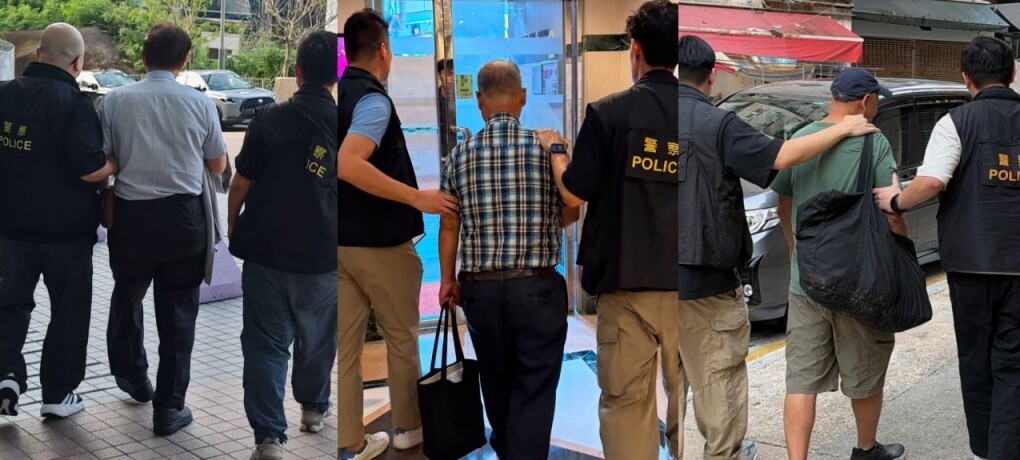
Three arrested over missing fire door frames in public estate lift overhaul
16-10-2026 20:10 HKT
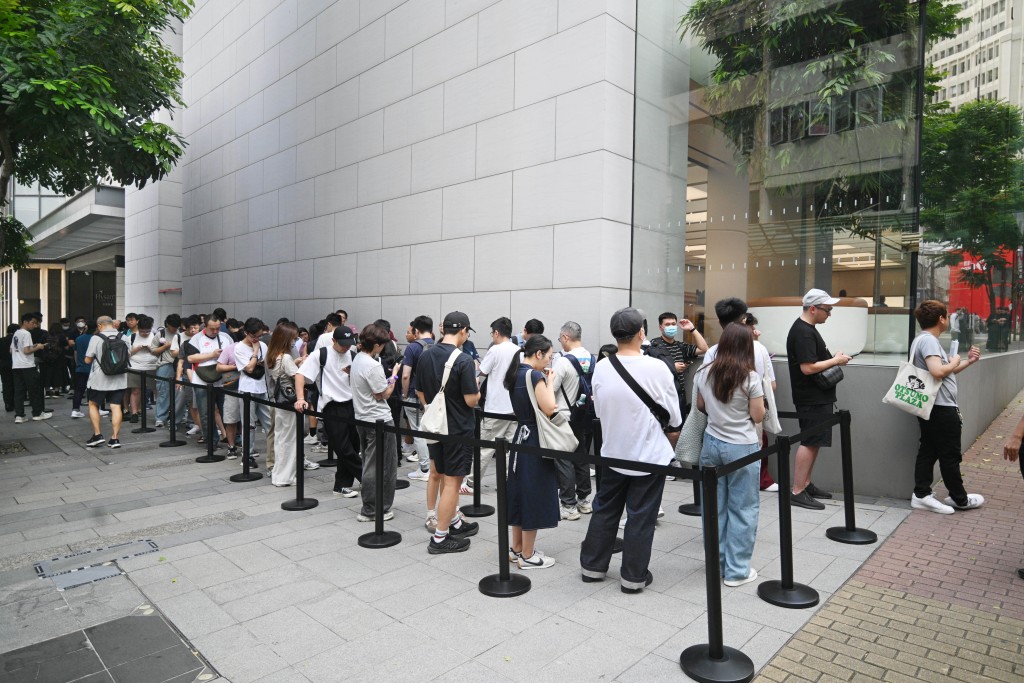
Credit card fraud hits foldable iPhone Duo launch
17-10-2026 12:23 HKT
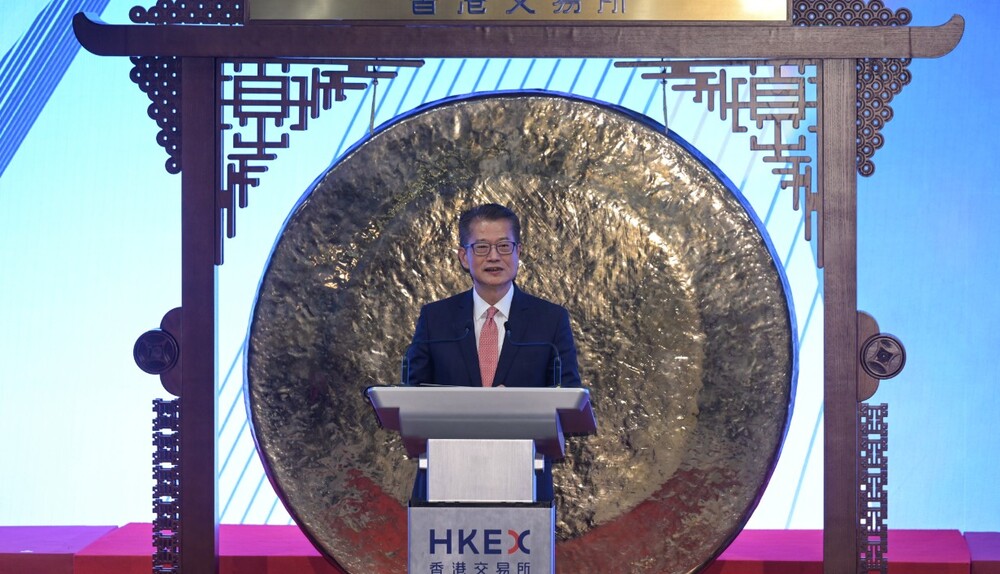
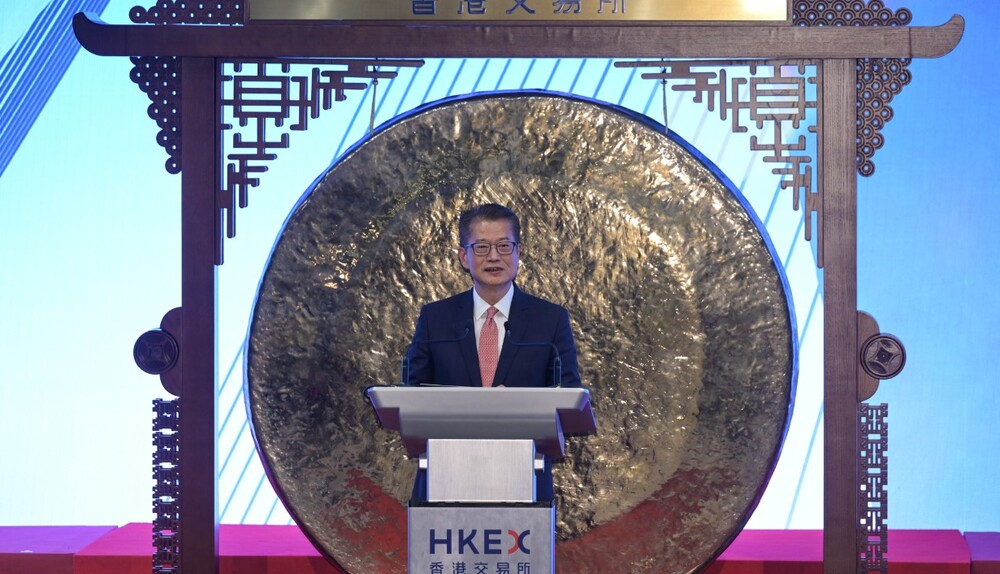
Financial Secretary Paul Chan Mo-po has hinted he is not going to cut the stamp duty on stock trading, saying it would not stimulate the equity market for long.
Chan also said a first meeting of a recently formed task force to boost liquidity in the market will be held this week.
He noted on his blog that there have been repeated calls to lower the stamp duty on stock transactions as the performance of the market is "obviously not ideal," citing the Hang Seng Index losing 8 percent last month and daily average turnover coming in at HK$100 billion.
That compared with an average daily turnover of HK$188 billion in the first half of 2021, before the levy charged on stocks was raised.
But Chan warned that reducing the duty will fail to resolve the structural issues, remarking that "piecemeal measures may have counterproductive effects as they will further undermine investor confidence if they do not work."
The key, he said, lay in investors having a positive outlook of the market, which depends on economic performances, company earnings and whether there will be a continuous listings of companies with business potential.
The administration said on Tuesday the task force led by Carlson Tong Ka-shing, a former chairman of the Securities and Futures Commission, will explore ways to enhance stock market liquidity.
That came after Chinese authorities revealed measures to boost turnover, including a stamp duty cut.
The 13-member task force will review the listing regime, market structure and trading mechanism before making recommendations to Chief Executive John Lee Ka-chiu on measures for the short, medium and long terms.
Chan also blamed "Western political prejudices" for weakening investor confidence in the Hong Kong and mainland stock markets.
He will visit Europe and the United States within months to promote Hong Kong, and the city will host a series of conferences in the near future.
Hong Kong in 2021 raised stamp duty on stock trades to 0.13 percent from 0.1 percent for buyers and sellers. That made the city the second highest among developed stock markets, behind the 0.5 percent levied in the United Kingdom.
Disagreeing with the financial secretary, Mofiz Chan, chairman of the Hong Kong Securities and Futures Professionals Association, said cutting stamp duty on stock trading could boost the city's long-term competitiveness as investors tend to choose a market that can implement their strategies steadily with lower transaction costs.
Billy Mak, an associate professor at Baptist University's Department of Accountancy, Economics and Finance, said authorities need to strike a balance as stamp duty is an important income source and the administration must maintain fiscal health.
caroline.zheng@singtaonewscorp.com
Editorial: Odd timing on stock market hint