Read More



Night Recap - September 17, 2026
5 hours ago



Officer injured in 2005 knife attack dies after over 20 years paralysed
17-09-2026 00:27 HKT

Naked woman spotted strolling through Lan Kwai Fong late at night
16-09-2026 18:04 HKT
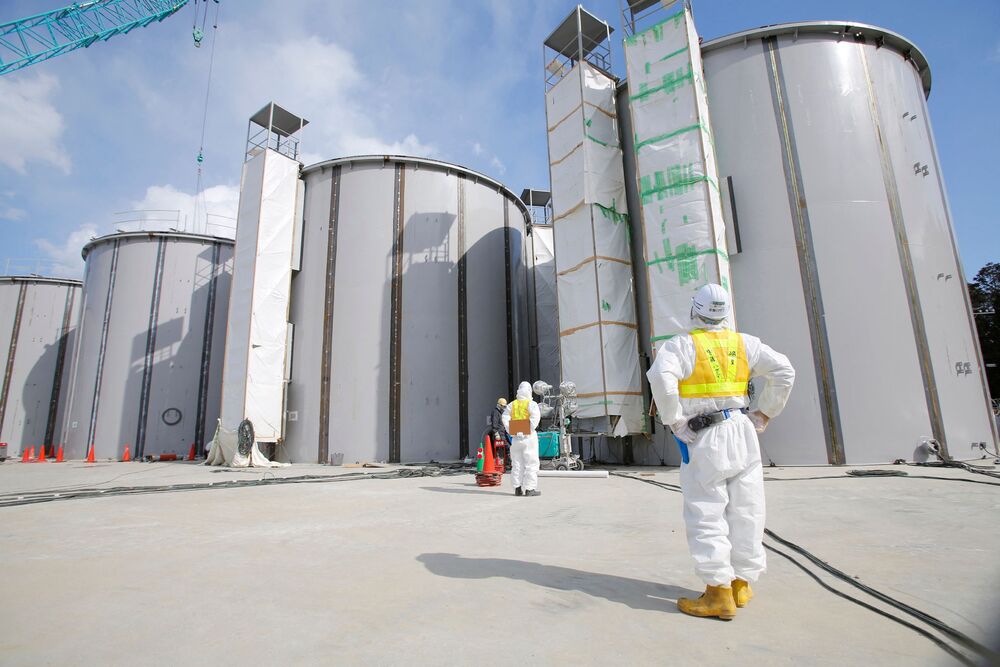
Japan will release wastewater from the stricken Fukushima power plant into the Pacific Ocean from tomorrow - 12 years after one of the world's worst nuclear disasters - despite harsh criticism from neighbors, which called the plan "extremely selfish."
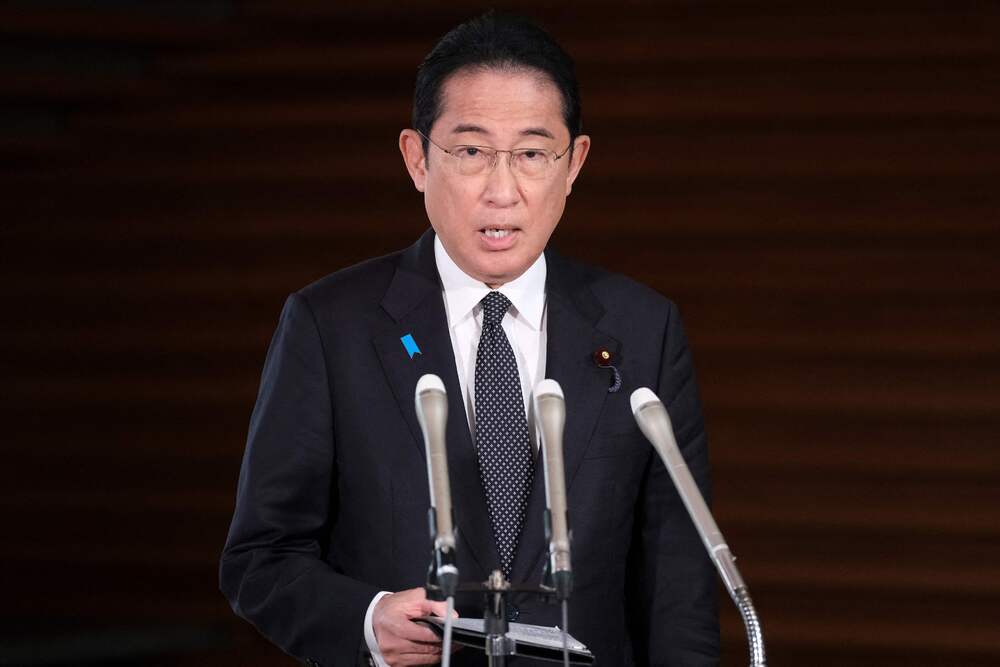
Tokyo insists that the gradual discharge of the more than 500 Olympic swimming pools' worth of wastewater, announced by Prime Minister Fumio Kishida yesterday, is safe.
The plan, approved two years ago by the government as crucial to decommissioning the Tokyo Electric Power Co plant, has also faced criticism from local fishing groups fearing reputational damage.
"I expect the water release to start on August 24, weather conditions permitting," Kishida said.
The announcement comes a day after the government said it had won "a degree of understanding" from the fishing industry over the release, but fishing groups said they still feared the reputational damage would ruin their livelihood.
Wastewater will initially be released in smaller portions and with extra checks, with the first discharge totaling 7,800 cubic meters over about 17 days starting tomorrow, Tepco said.
The wastewater will be released at a maximum rate of 500,000 liters a day.
The Fukushima-Daiichi nuclear power station was knocked out by a massive earthquake and tsunami that killed around 18,000 people in March 2011, sending three of its reactors into meltdown.
Tepco has since collected 1.34 million tonnes of water used to cool what remains of the still highly radioactive reactors, mixed with groundwater and rain that has seeped in.
Wastewater will be diluted and filtered before release to remove all radioactive substances except tritium, levels of which are far below dangerous levels, according to Tepco.
It has failed to reassure China, with foreign ministry spokesperson Wang Wenbin calling the move "extremely selfish."
A nuclear expert however said the level of tritium was well below World Health Organization drinking water limits.
"Tritium has been released [by nuclear power plants] for decades with no evidential detrimental environmental or health effects," said Tony Hooker, a nuclear expert from the University of Adelaide.
The UN's International Atomic Energy Agency said in July the release would have a "negligible radiological impact on people and the environment."
IAEA yesterday said its staff would be on site for the start of the discharge and beyond and would publish "real-time and near real-time monitoring data."
Japan's fisheries agency will take samples of bottom-dwelling flatfish at two designated sampling spots near the outlet of the water pipe.
But environmental pressure group Greenpeace has said the filtration process is flawed.
Japan "has opted for a false solution - decades of deliberate radioactive pollution of the marine environment - during a time when the world's oceans are already facing immense stress and pressures," Greenpeace said.
The threat of restrictions worries people in Japan's fishing industry, just as business was beginning to recover.
"Nothing about the water release is beneficial to us," third-generation fisherman Haruo Ono, 71, whose brother was among those killed in 2011.