Read More


Night Recap - April 1, 2026
3 hours ago

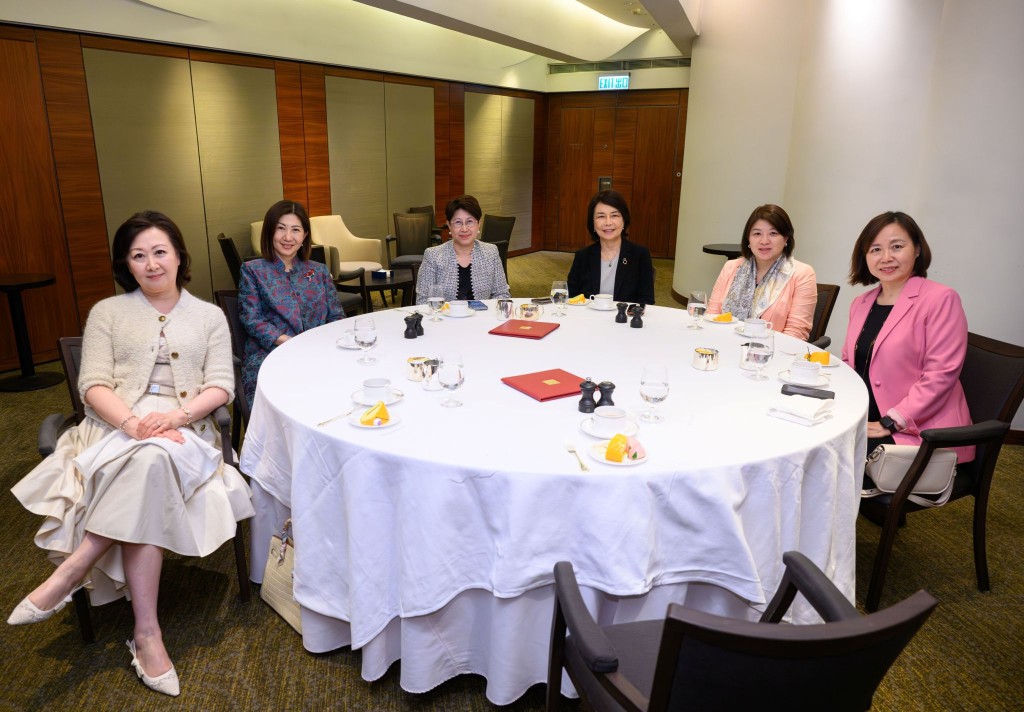


Six senior counsel appointed
31-03-2026 13:54 HKT

Approval granted for Kai Tak’s six-stop Smart & Green Mass Transit System
31-03-2026 16:27 HKT
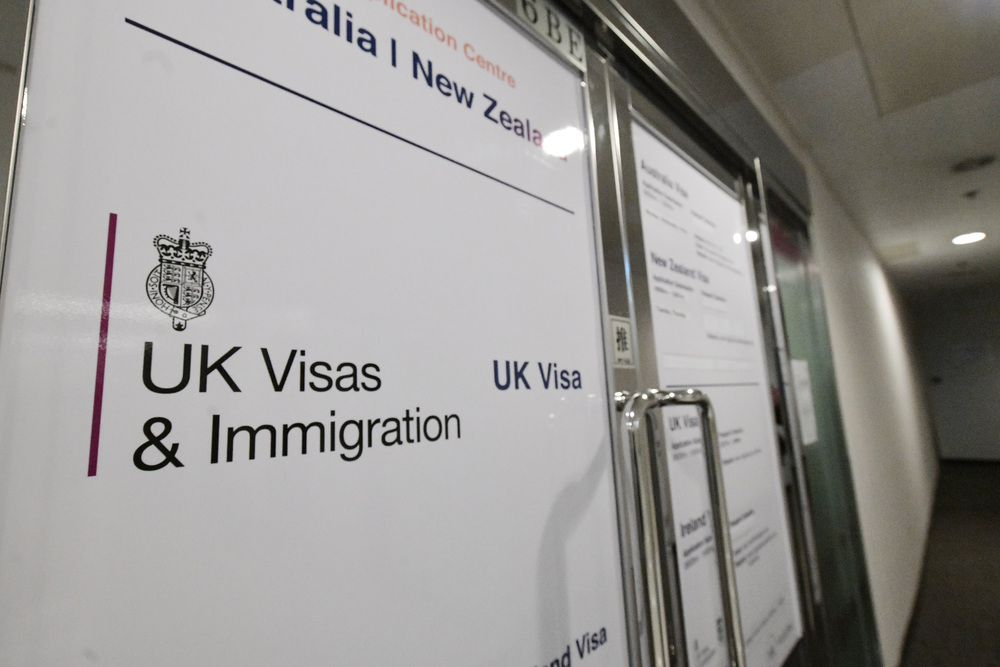
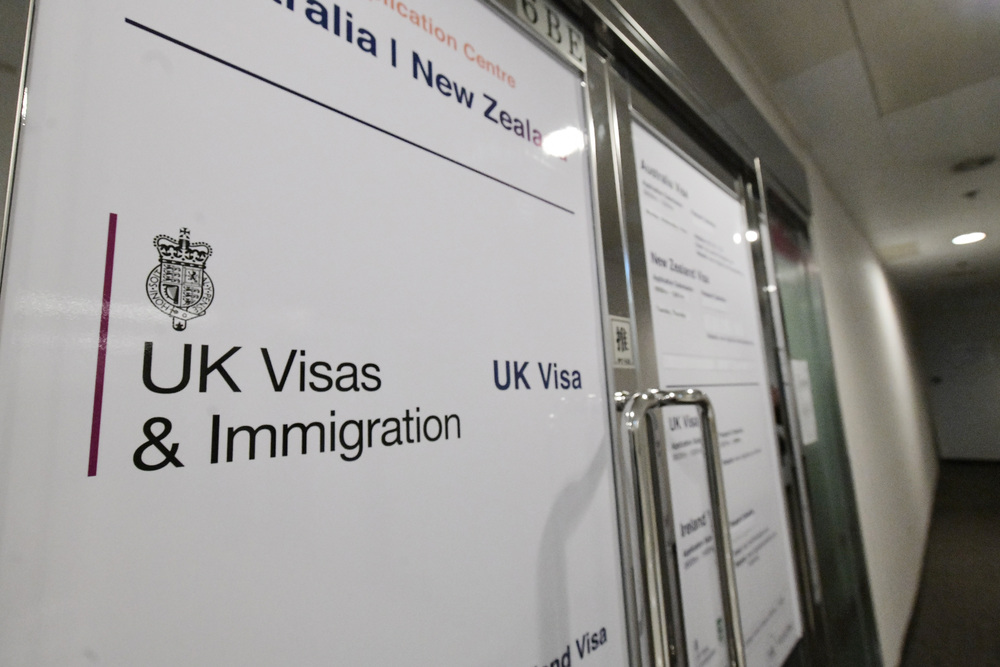
British National Overseas visa applicants can have their applications processed in five working days if they need to "travel urgently."
The UK Home Office rolled out a priority visa service on Monday. But the service will cost applicants 573 pounds (HK$5,700) if they are overseas, or 500 pounds (HK$5,000) if they are in Britain.
The BNO visa allows Hongkongers to stay, work and study in the UK. After five years in the UK, those on the BNO route will be able to apply for settlement, followed by citizenship after a further 12 months.
Applicants need not provide any materials to prove they have an urgent need when using the priority service, said Goldmax Immigration Consulting director Benny Cheung Ka-hei.
But Cheung believed it will have little effect as few applicants would be willing to pay extra money for the service, especially as some could have their applications approved in as little as two to three days.
"The quicker approval might be because fewer people are applying for a BNO," he said. "The number of applications each month so far this year is only about 50 percent of that from the same period last year."
According to the Home Office's figures, the UK has received 172,500 BNO visa applications from January 31, 2021 to the end of March this year.
Only 9,411 applications were received in the first quarter of this year, down 51.8 percent year on year.
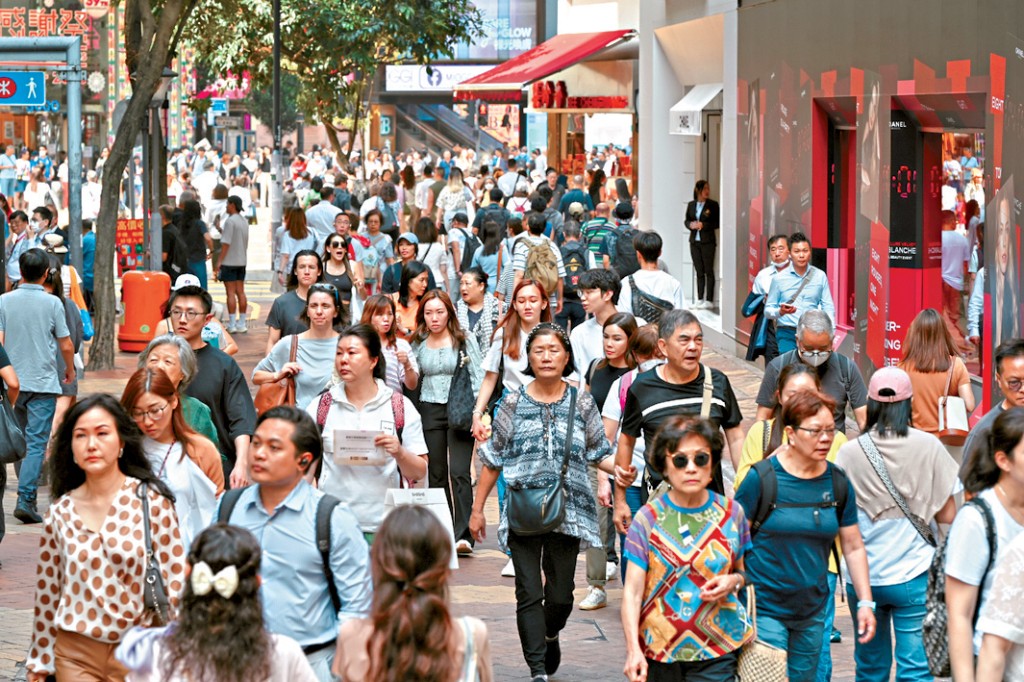
Meanwhile, two researchers at the Hong Kong Institute of Asia-Pacific Studies, which conducts regular public opinion polls, said the rate of citizens' distrust of the government, has lowered, four years after the anti-fugitive unrest in 2019.
The institute's assistant director Victor Zheng Wan-tai and researcher Kevin Wong Tze-wai said the overall distrust rate has dropped from 59 percent in December 2019 to 23.4 percent in May this year, while the trust rate has risen from 14.8 percent to 30.3 percent.
Citizens in terms of different age groups, education background and with different political orientations all have more trust in the government, and the change might be caused by society resuming to normality after the pandemic, said the two researchers.
In addition, the proportion of people with no clear political inclination increased from 46.5 percent to 71.6 percent, reflecting that most citizens are less affected by political inclination.
The government could continue gaining public support if it continues revitalizing the economy and improving people's livelihood, said the researchers.