Read More





Night Recap - May 28, 2026
3 hours ago

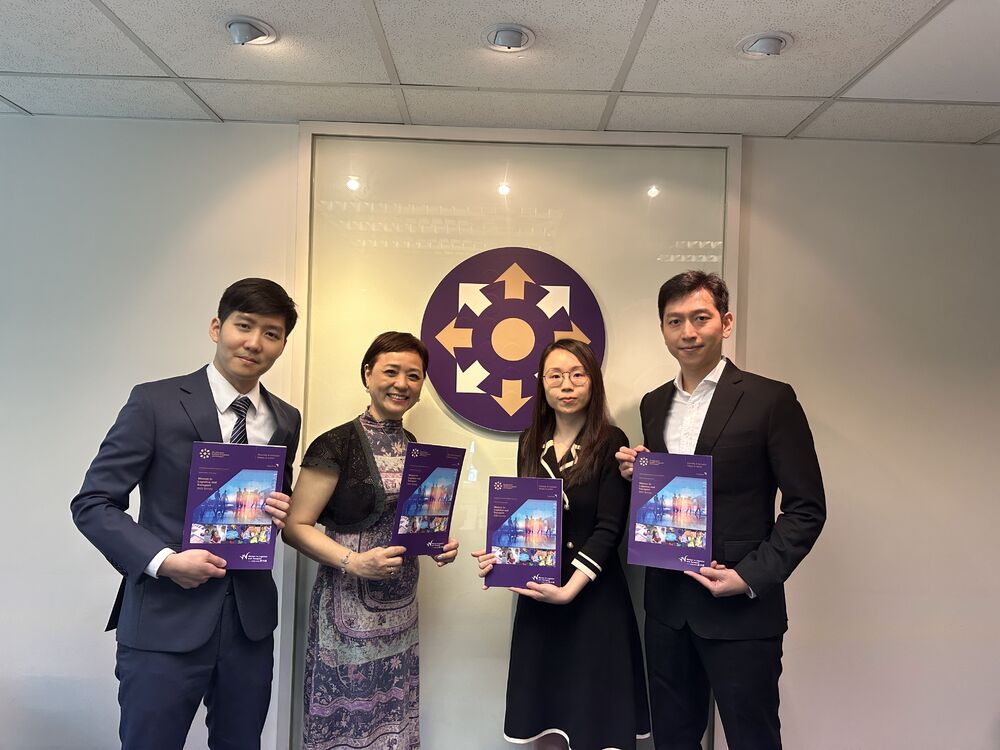
More family-friendly policies should be introduced in transport and logistics workplaces as female staff encounter various difficulties in the male-dominated field, a survey has found.
A survey last month by Women in Logistics and Transport conducted online interviews with 23 managerial-level representatives from 12 enterprises - including bus companies - involving around 30,000 employees, which represent 18 percent of the industry workforce.
The survey found nine out of 12 companies consist of mostly men in their management teams while one did not have any women in management.
The survey showed companies still have some barriers in promoting gender diversity, although 66 percent claimed that is not the case.
The existing barriers include unattractive work schedules, insufficient hygiene facilities and resource limitations, said chairwoman of WiLAT, Carmen Li Wai-ching.
But with the increased awareness of gender inclusion, it is also noted that nine out of 12 companies have introduced flexible working hours to pregnant employees.
Two of the nine companies offer work-from-home arrangements for pregnant staff. And one company provides a maternity leave of approximately six months.
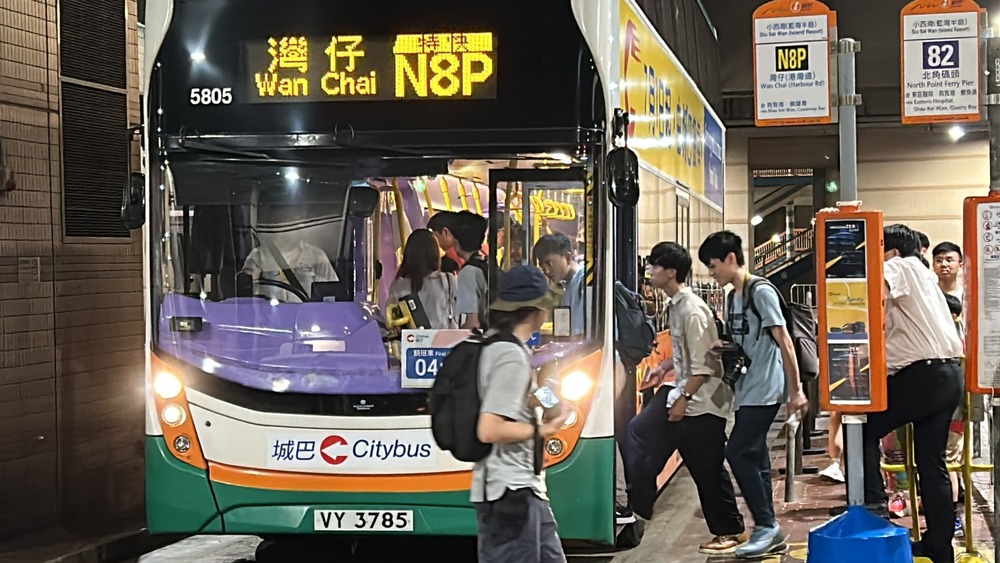
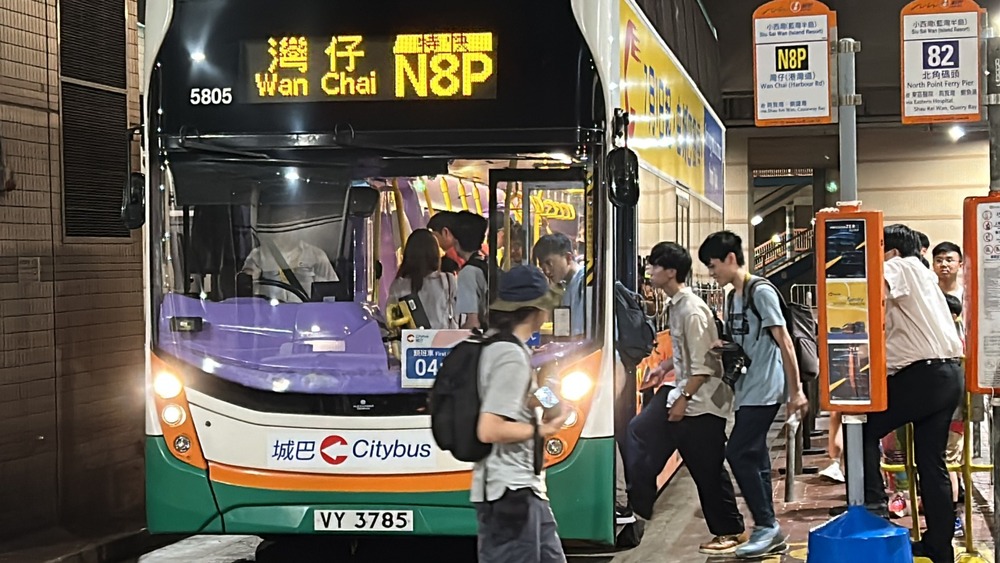
Representatives from Citybus shared their experiences. Giving birth last July, Ida Cheung Wan-shan, who works as the people and culture manager at Citybus, said that as a mother, she has benefited from the firm's family-friendly policies.
"The policy enables me to push forward my family planning. As our company offers a half-year of maternity leave, I have more time to rest and recover compared to friends in other fields," she said.
"Our company also offers 14 days of paid paternity leave, which is a few days more than the governmental standard [of nine days]."
Marcus Fu Man-ching, another people and culture manager at the bus company, said Citybus has also implemented policies to encourage women to join the industry.
Some shifts, he explained, "might hinder women's motivation in joining the field, as they might want to spend more time with their spouse and family."
To help avoid that the bus company has introduced the position of half-day bus captain - which has fixed working hours - so women can strike a better home-work balance.
Fu said including females in job advertisements has served as a great motivation for women to join their company and "breaks the gender stereotype."
Currently, the company has 3,500 full-time and half-day bus drivers - 150 of which are women.