
Read More
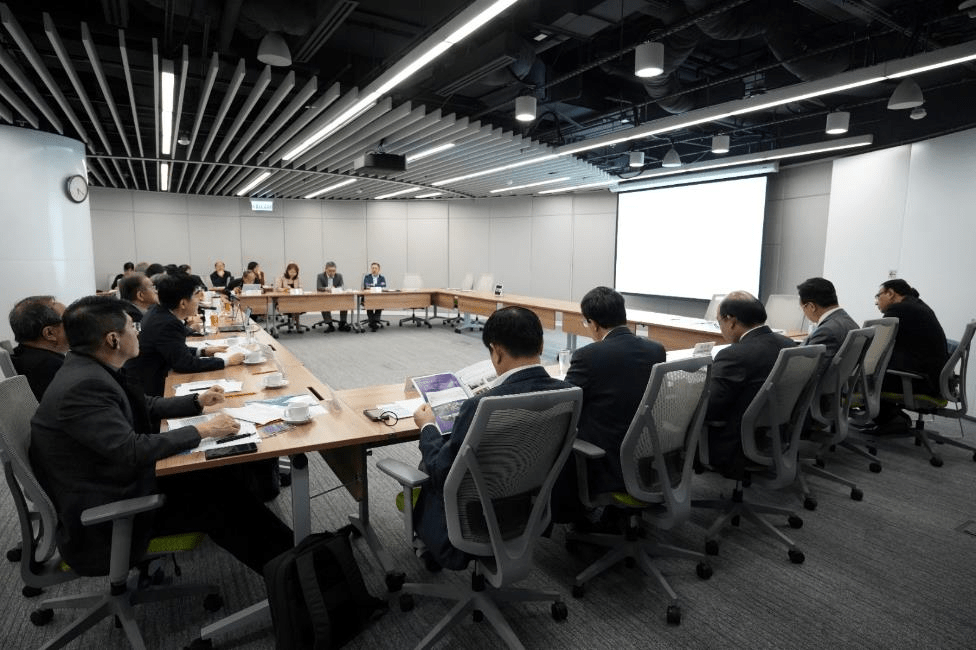
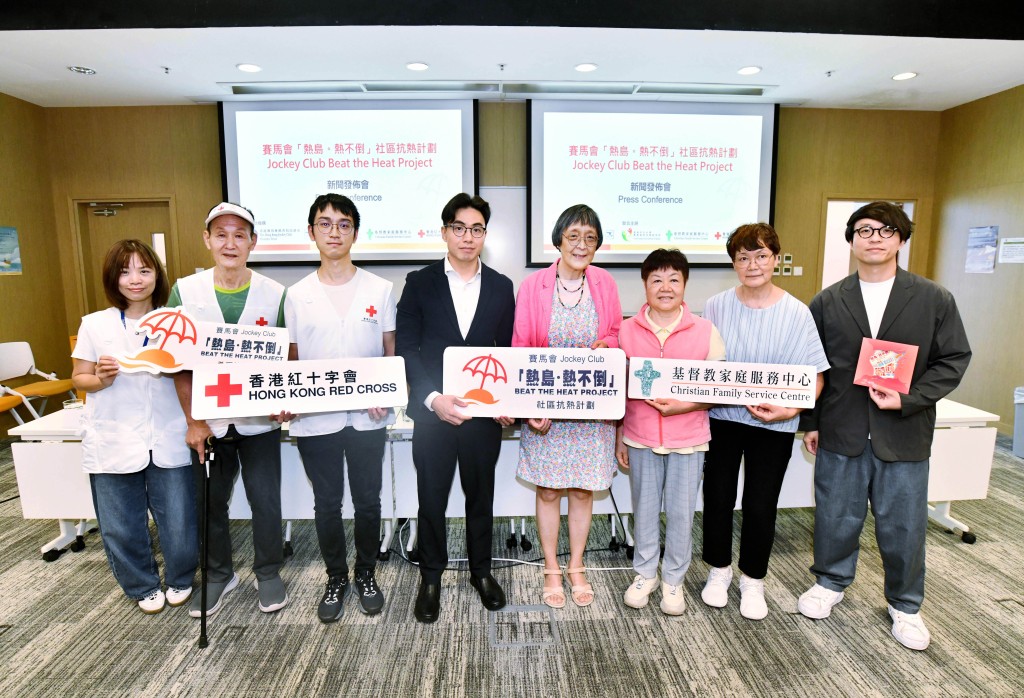
The Chinese University of Hong Kong’s (CUHK) Jockey Club Institute of Ageing has partnered with two community organizations to provide essential heat-relief services for vulnerable seniors across the Yau Tsim Mong and Kwun Tong districts.
ADVERTISEMENT
SCROLL TO CONTINUE WITH CONTENT
The three-year "Beat the Heat" project, launched in 2024, aims to publish comprehensive community service guidelines next year to serve as a strategic reference for the government and the social welfare sector.
Since its inception, the initiative has already facilitated home modifications, including the installation of air-conditioning units, for hundreds of elderly residents.
Eric Lai Tsz-chun, the project’s co-principal investigator, noted that global warming has driven a steady rise in extreme heat events and "hot nights" in Hong Kong since 2004.
High temperatures pose severe risks such as dehydration, dizziness, and life-threatening heatstroke, placing individuals aged 65 and above—particularly those with chronic illnesses—at high risk.
Lai observed that while social welfare agencies have historically concentrated resources on winter relief programs, there has been a significant lack of structured support for summer heat mitigation.
Now in its second year, the program supports beneficiaries with an average age of 77, prioritizing mid-to-high-risk individuals based on their age, living arrangements, and health status.
Key interventions include conducting professional risk assessments, performing home visits, and distributing community heat maps that highlight shaded public spaces.
Lai emphasized that indoor extreme heat poses severe health threats, particularly to those in subpar housing. However, simple interventions like home visits and distributing cooling supplies have proved highly effective in boosting seniors’ resilience to the heat.
The Hong Kong Red Cross (HKRC), which manages the program in Yau Tsim Mong, highlighted the unique challenges of that district. Jimmy So Ka-yiu, a registered nurse with the HKRC, pointed out that nearly 20 percent of the district’s population is aged 65 or older, and it contains nearly a quarter of Hong Kong’s subdivided flats.
In the project, HKRC has collaborated with neighborhood restaurants to provide designated cooling spaces for seniors. It has also worked with community groups to distribute cooling supplies and facilitate home upgrades, such as installing blackout curtains and air conditioners, for 500 to 600 cases.
So observed that many seniors lack awareness of heatwave risks, a vulnerability most acute in subdivided flats, which accounted for 10 percent (65 cases) of the caseload.
Among these units, 66 percent recorded indoor temperatures exceeding 28 degrees Celsius, and 65 percent experienced humidity above the recommended 70 percent.
So explained that cramped quarters and poor ventilation trap both heat and moisture, often making structural modifications difficult for volunteers.
Despite these challenges, he expressed optimism that the upcoming Basic Housing Units Ordinance, which mandates operable windows, will eventually lead to improved living environments for these residents.