Read More





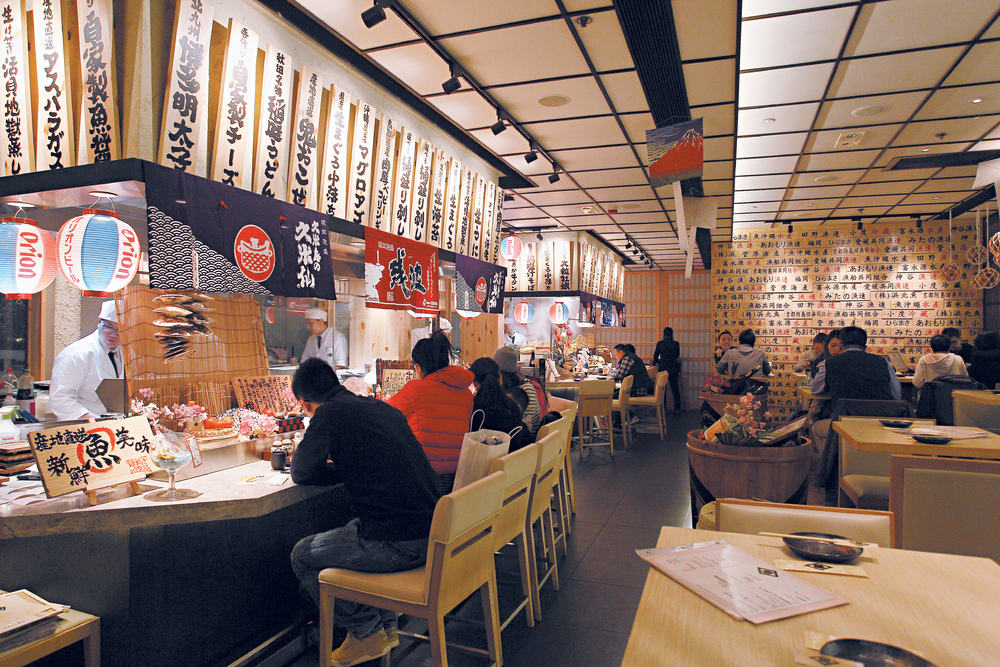
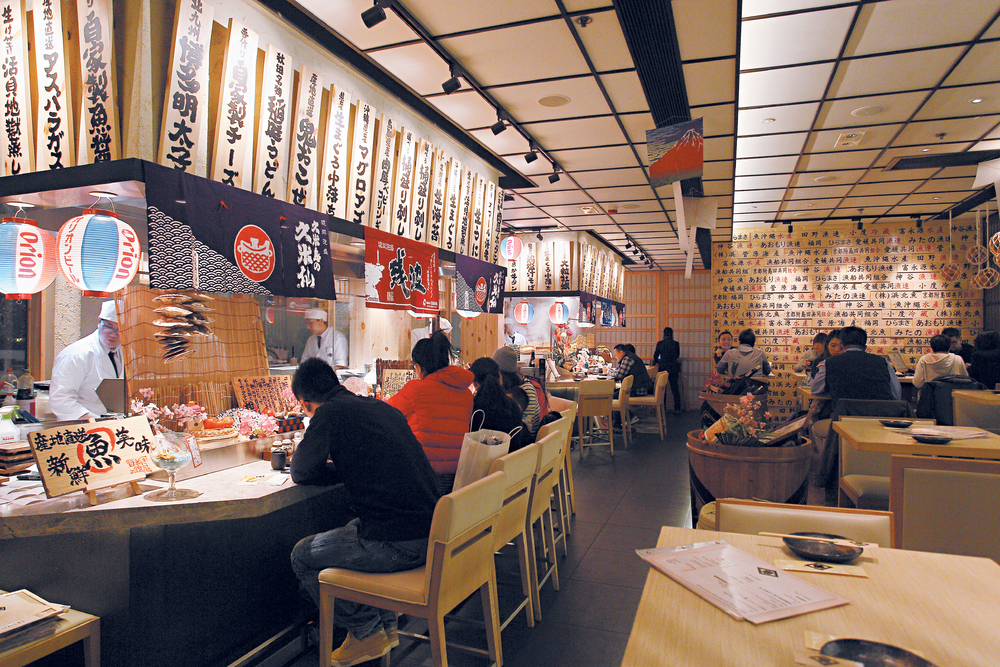
Some 600 Japanese restaurants in Hong Kong may fold once the government imposes an import ban on aquatic products from 10 Japanese prefectures, a catering industry veteran has warned.
Some 2,000 Japanese restaurants have already suffered up to 30 percent losses on Wednesday following the announcement of the government response to Japan's nuclear wastewater discharge plan, said Martin Chan Keung, a member of the board of directors of the Hong Kong Federation of Restaurants and Related Trades.
Chan said on radio yesterday that trade may slump by half once the ban actually takes place, and 30 percent of Japanese eateries in Hong Kong may fold within two to three months.
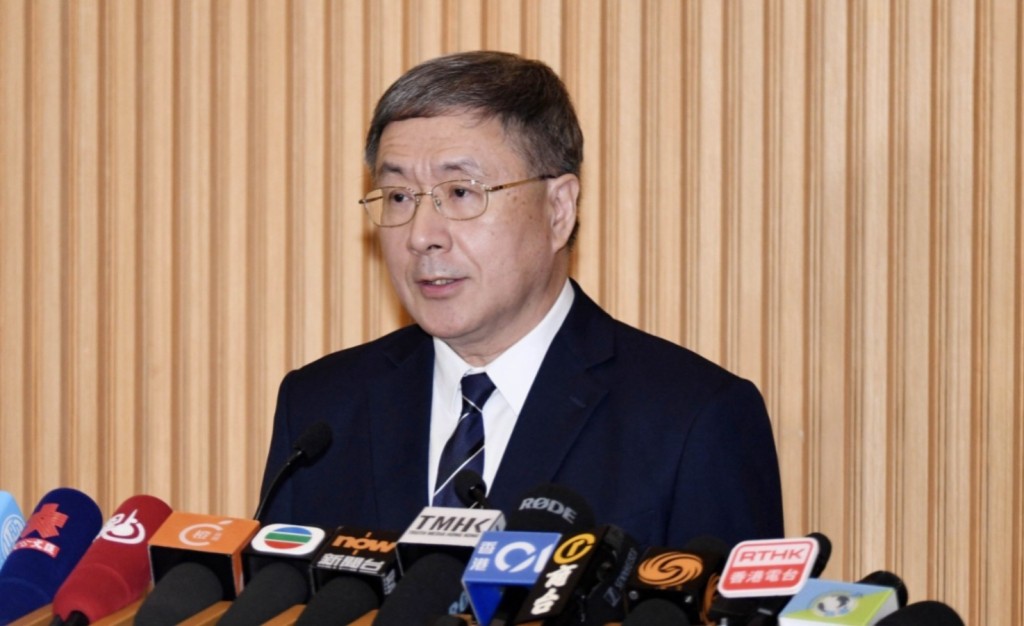
Secretary for Environment and Ecology Tse Chin-wan said that the government may expand the possible ban to more Japanese prefectures if the radiation data is worse than expected, but the ban can be relaxed if Japan proves that it is safe.
Earlier, he had said that Hong Kong will ban the import of aquatic products from 10 prefectures, including Tokyo, if Japan discharges radioactive wastewater from the crippled Fukushima nuclear plant into the sea.
The discharge is set to begin this summer and may last for 30 years.
Unlike the mainland which has banned all food products from the 10 prefectures, the SAR only plans on banning seafood products, Tse said.
But he said the government will strengthen its radiation tests on seafood, which would cost the government an extra HK$10 million.
He added that the SAR has a clear tracing system in which merchants cannot manipulate the origin of the products.
"The tracing system in Japan is very transparent too. We will check the products' official origins, and there is no way that merchants can pretend their products are from other prefectures," Tse said.
However, Tse acknowledged that the potential ban may affect the restaurants, saying that is the reason why they announced the measures in advance. "Now the trade may have to start considering to avoid ordering sea products from prefectures that may come under the ban," he said.
Chan urged authorities to provide more guidelines, as more than 80 percent of Japanese food products would be exported via Tokyo.
"If goods come from outside those 10 prefectures but via the port in Tokyo, will they be allowed into Hong Kong, or what? We want more information on that," said Chan, who owns a Japanese restaurant.
He suggested that authorities launch a food safety certification to regain customer confidence.
Among 18,000 licensed restaurants in Hong Kong, about 10 percent - or 1,800 to 2,000 - are Japanese, federation president Simon Wong Ka-wo told The Standard.
"Even if we are importing Japanese food from outside the 10 banned prefectures, it is hard for restaurants to explain to customers clearly," Wong said.
Meanwhile, Chinese Ambassador to Japan Wu Jianghao said that Japan's 80-billion yen (HK$4.51 billion) subsidy to Fukushima fishermen is "hush money" to tamp down opposition.
He said the fund proves that the discharge is "very problematic," and Japan would "definitely face stronger criticisms and condemnations."
However, the Japanese consulate in Hong Kong said the SAR's potential import ban is "extremely regrettable." It said the current discharge plan is "practically feasible" and urged the SAR government to lift its import restrictions on Japanese food.
eunice.lam@singtaonewscorp.com