Read More




Morning Recap - June 12, 2026
5 hours ago






Mother and daughter die in successive falls from same Tai Koo Shing block
11-06-2026 00:05 HKT

100 y/o biologist David Attenborough shares 4 longevity habits
07-06-2026 12:00 HKT
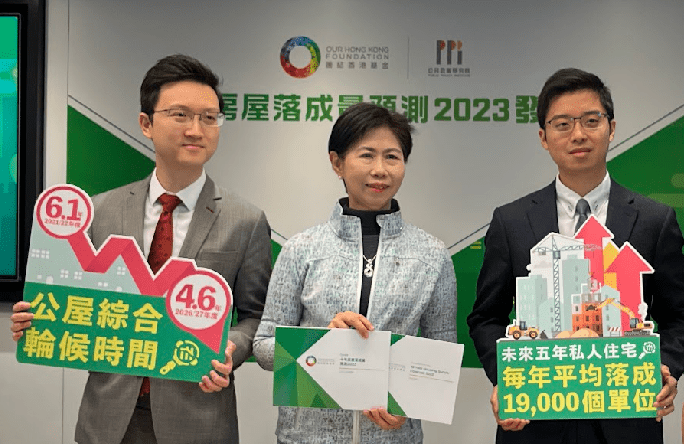
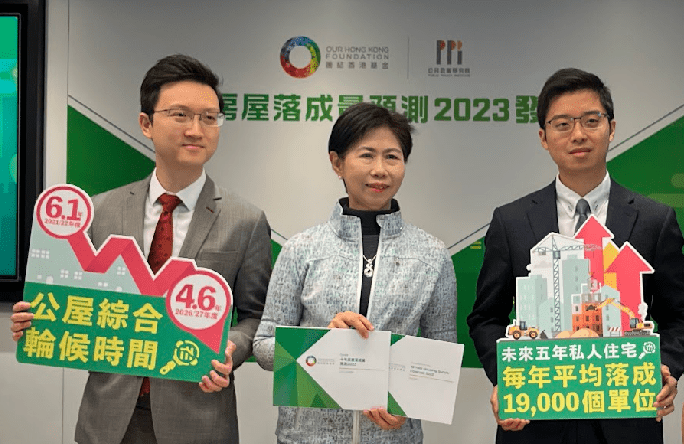
A supply of some 30,000 light public housing units is expected to help cut down the wait time for public rental housing to 4.6 years by 2026 at the earliest, but that hinges upon an aging construction sector, Our Hong Kong Foundation said.
Last year, the average waiting time reached a record-high 6.1 years. It currently stands at 5.5.
The 30,000 units are a part of the 360,000 public housing flats slated to be built over the next 10 years, provided there are no construction delays, foundation vice president Ryan Ip Man-ki said as the policy think tank delivered its annual housing report.
Addressing concerns over the cost-effectiveness of light public housing, researcher Jason Leung Yeuk-ho said the government is focusing on rolling out the flats as soon as possible by "exchanging money for time."
The temporary housing initiative was introduced in Chief Executive John Lee Ka-chiu's maiden policy address last October as a short-term fix for the years-long public housing wait. The units - some 10,700 of which are slated to be erected on the Kai Tak development site near luxury seaview apartments - will be retired after five years.
Lawmakers approved a government funding bid of HK$14.9 billion in February as part of a plan to spend HK$26 billion to construct light public housing. The initiative, with price tags ranging from HK$550,000 to HK$680,000 for each block, has been criticized for being cost-ineffective.
"Based on the government report in 2021, almost half of those living in the subdivided flats are actually waiting for public housing, so light public housing will provide a quicker solution to get into public housing and improve living conditions as early as possible," Leung said. He also said authorities had earlier cut costs by changing the design of the apartments and are looking into repurposing them when they are retired.
But Ip said a shortage of manpower and an aging construction sector remains a concern for "a wave of infrastructure projects" from light public housing and private housing to the Northern Metropolis. "We are experiencing an aging of construction workers that's why we believe we have to explore measures to deal with this situation," Ip said.
He said the government would have to consider importing foreign labor and investing in construction technology, alongside making use of offsite prefabrication, as the average age of construction workers is 42 and 52 for skilled workers.
He added that there are still obstacles ahead as 60 percent of public housing in the second five-year period will be situated on sites occupied by squatters and brownfield operators in the Northern Metropolis.
He called on the government to take "targeted measures" to compensate and relocate occupants.
cjames.lee@singtaonewscorp.com