Read More






Morning Recap - June 11, 2026
7 hours ago







Bowie Woo, 94, sets Guinness World Record at star-studded concert
08-06-2026 18:03 HKT

Nine days of rain ahead as temperatures dip, Observatory says
09-06-2026 17:35 HKT
If you're allergic to that pesky cockroach, relief might be in sight.
Chinese University researchers have identified seven more cockroach allergens that contribute to 45 percent of allergies such as asthma, rhinitis and eczema.
The findings will be the key for precision immunotherapy, the researchers say.
The team unraveled the world's most comprehensive genome profile of American cockroaches - one of Hong Kong's most common roaches - and identified seven novel cockroach allergens on top of the existing 13 allergens.
The findings from this study laid down an important foundation for identifying and cloning major cockroach allergens that will facilitate the design of effective immunotherapy for cockroach allergy.
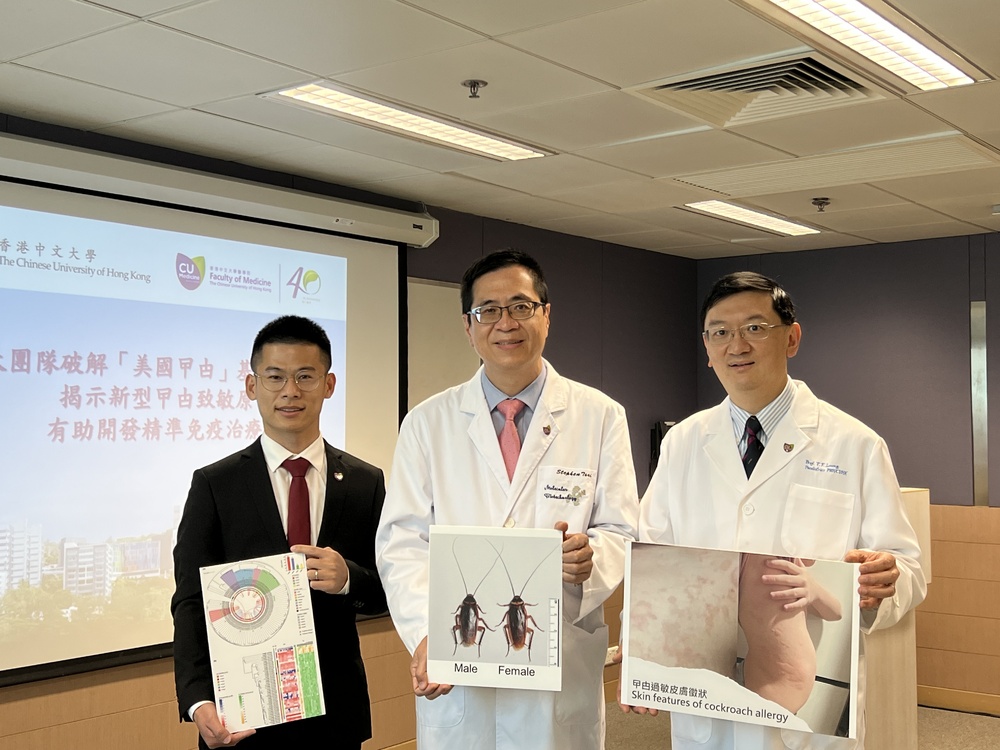
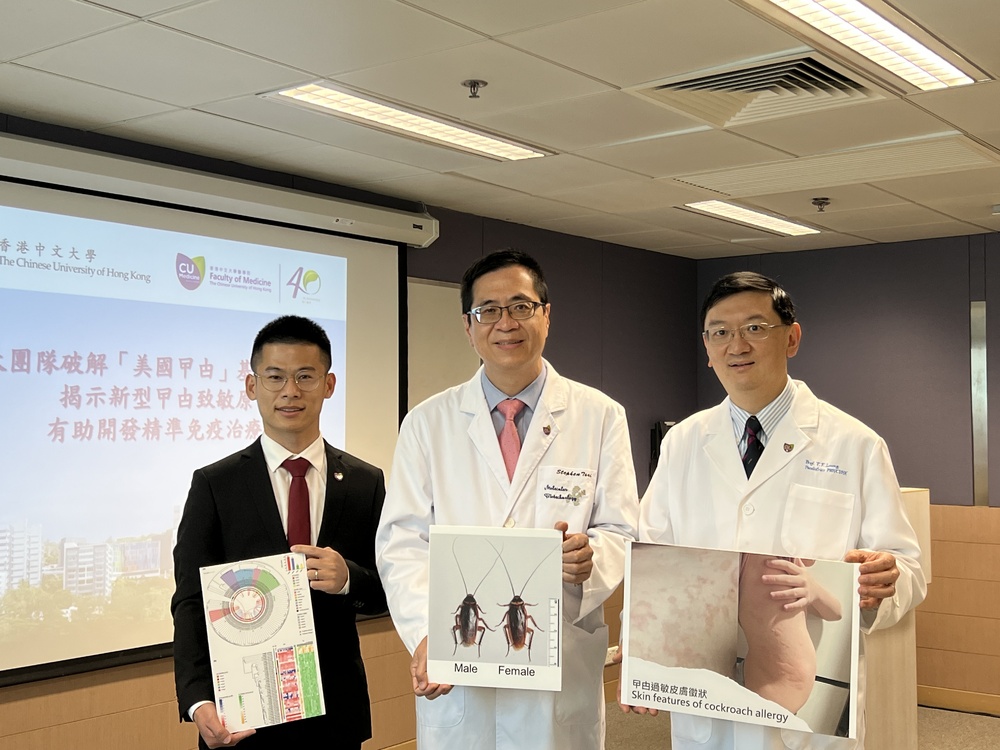
Stephen Tsui Kwok-wing, research team leader at CU Medicine's School of Biomedical Sciences, said that second to dust mites, cockroaches account for 45 percent of the sensitization rate to local allergic individuals. Their saliva, feces, shedding body parts and carcasses all have a sensitizing effect that can trigger allergies, especially among children under 14.
A six-year-old boy once had wheezed six times in a year and also had frequent sneezing, runny nose, nasal congestion. His forced expiratory volume in one second was only 43 percent, almost only half of the normal 80 percent.
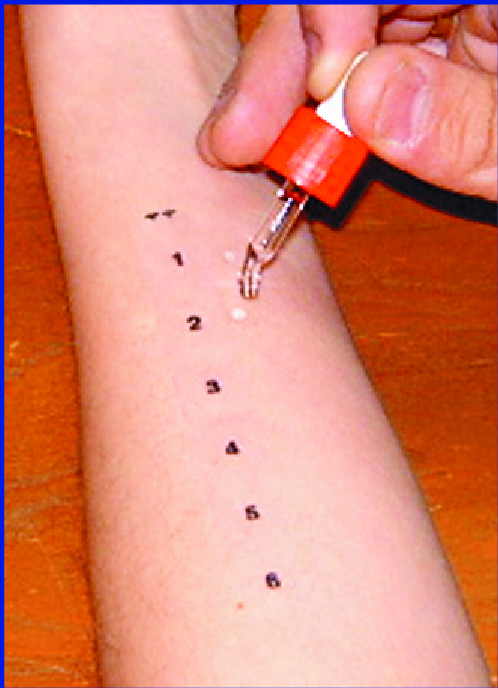
After skin prick testing, he was found to be allergic to dust mites, cockroaches, and histmate. And after taking bronchodilator and steroids, the asthma was well controlled.
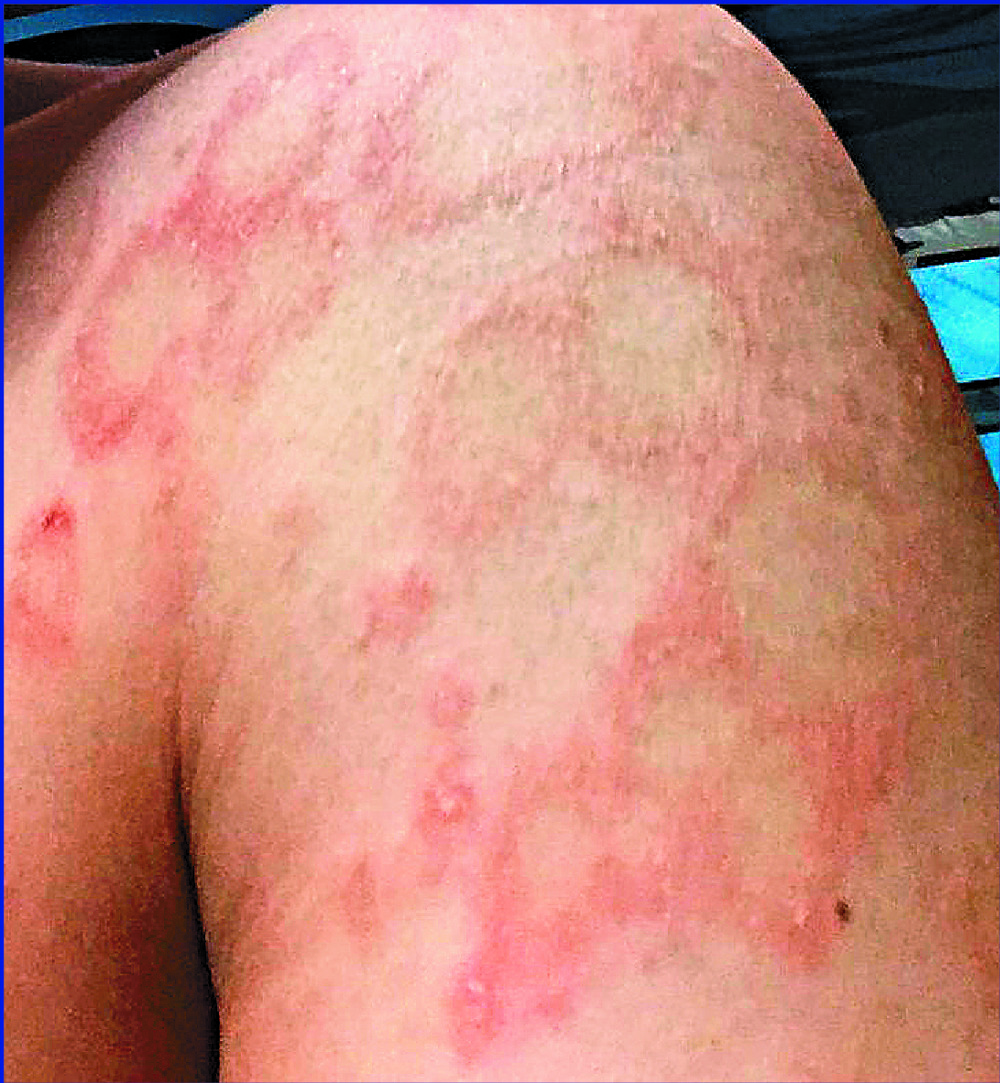
A 13-year-old girl allergic to dust mites, cat dander and cockroaches also wheezed four times and had nasal allergy symptoms within a year, with hives appearing everyday for two months.
A test found she was allergic to dust mites, cat dander and cockroaches. She took bronchodilator and steroids for asthma treatment and antihistamine with intranasal steroids to treat other allergies.
Leung Ting-fan, professor in the Department of Pediatrics at CU Medicine, said the testing agents for cockroaches were a rough mix of German and American cockroach extracts, and that the diagnosis is not accurate, resulting in the inability to prescribe the right medicine in terms of treatment.
In order to provide accurate treatment against cockroach allergy, it's important to get a clear picture of all cockroach allergens, Leung said.
Qing Xiong, a research team member, said they assembled 25 chromosomes in the American cockroach, identified seven more novel allergens on top of the existing 13 and a variant of one existing allergen.
Tsui said they found glutathione S-transferase, a protein, is expanding in the American cockroach genome, and may greatly enhance its vitality and viability.
By filling in the gaps of the missing components of the allergen profile, Tsui said this study provides valuable insights into the development of component-resolved diagnosis and allergen-specific immunotherapy for cockroach-induced allergic diseases.