Read More




Morning Recap - September 15, 2026
9 hours ago

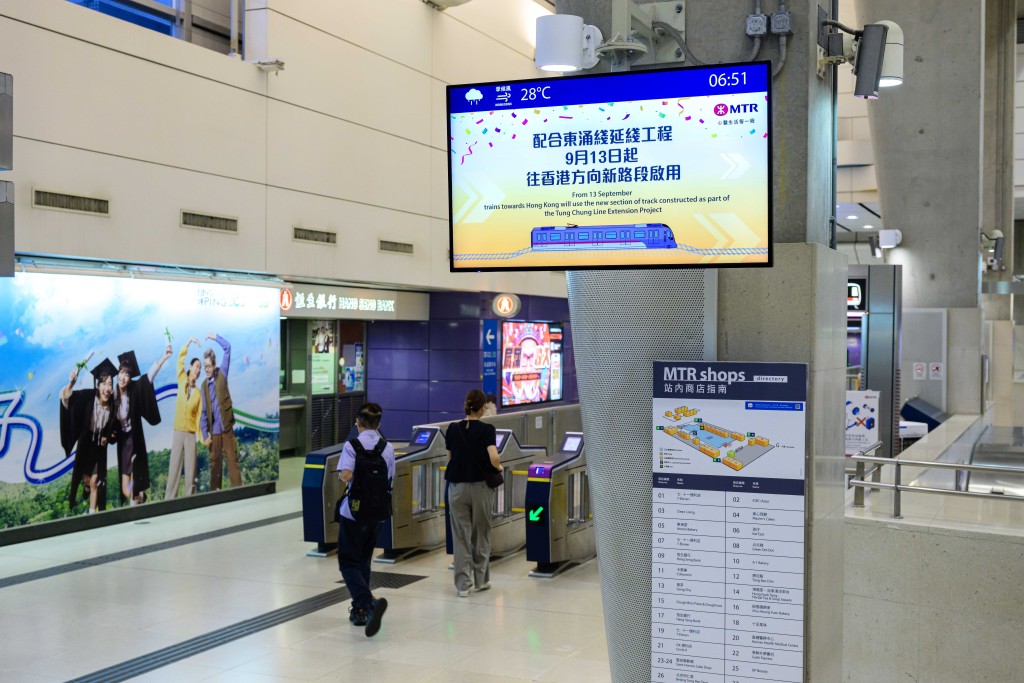
MTR opens new Tung Chung Line Extension track section with smooth service
13-09-2026 12:59 HKT
Hong Kong is seeking Beijing's interpretation on whether foreign lawyers not registered to practice here can be involved in national security trials.
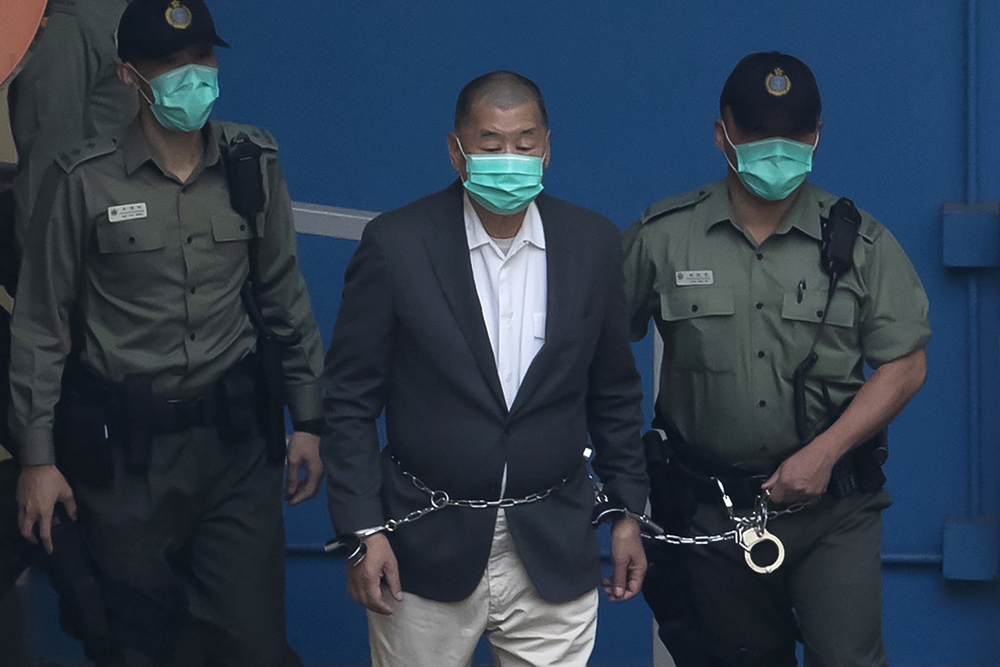
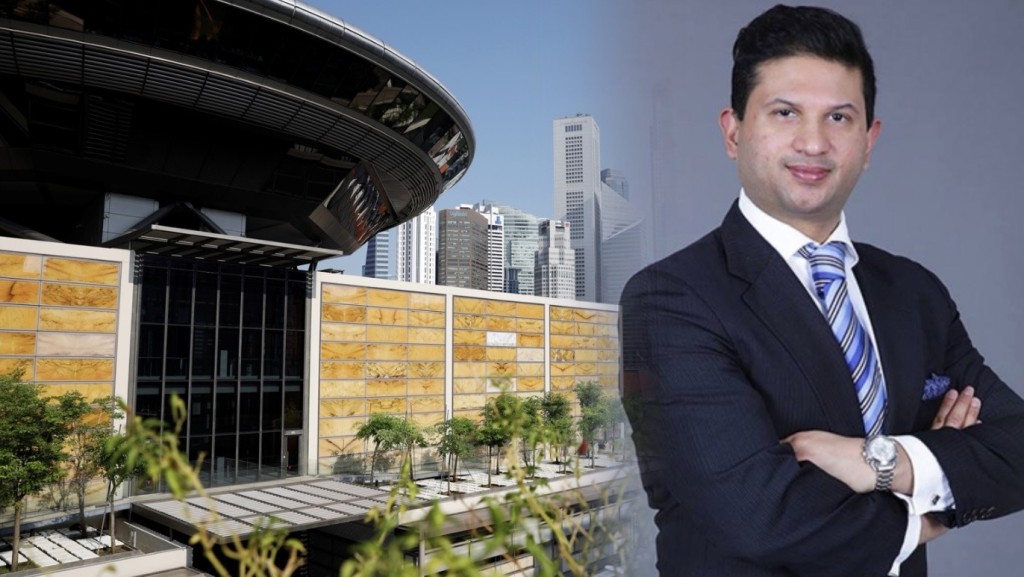
It follows the Court of Final Appeal upholding a decision yesterday for British King's Counsel Tim Owen to defend jailed media mogul Jimmy Lai Chee-ying in his collusion trial.
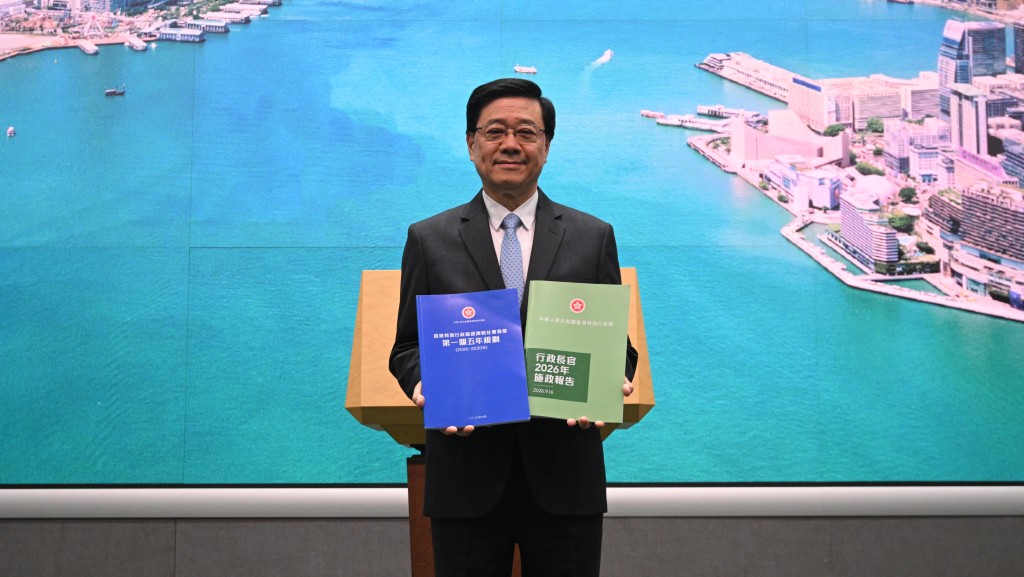
Chief Executive John Lee Ka-chiu announced the move less than three hours after the city's top court released an 18-page judgment.
It is unknown whether the interpretation will be made before Lai's trial, set to begin on Thursday, but Lee said the Secretary for Justice, Paul Lam Ting-kwok, will apply for an adjournment.
Lee said he received Beijing's request for a report on Hong Kong's national security situation on Sunday and that he will hand in a submission, together with his request for the National People's Congress Standing Committee's interpretation of the national security law, as soon as possible.
The interpretation will be targeted at overseas counsels who do not have full qualifications to practice in Hong Kong.
Lee's announcement was backed by the State Council's Hong Kong and Macao Affairs Office, which said the Court of Final Appeal's decision contradicted the purpose of the national security law.
A spokesman said on Wechat: "The decision made by the relevant court in Hong Kong in approving a British King's Counsel handling Lai Chee-ying's case has contradicted the rule in the NSL where the administrative, legislative and judicial authorities have to prevent, stop and punish actions and activities that endanger national security.
"The decision has also been against the purpose of legislation and logic in legal contexts." The spokesman said the decision has raised strong discontentment among people who "love the country and Hong Kong" and "those with righteousness in the legal sector."
"They all said some judges simply used the principles and proceedings in normal cases to regulate the application and enforcement of the national security law. The judges have insufficient knowledge on the constitutional status of the national security law, and have neglected its authoritative and overriding nature," he said.
The spokesman said the decision had created a huge challenge to a fair court proceeding.
A spokesman from Beijing's liaison office in Hong Kong also supported Lee's move, saying different people in the city, especially from the legal sector, shared concerns that it was rare for overseas counsels not in the practice to be involved in collusion trials.
"It not only has created convenience for foreign forces intervention but also damaged the professionalism of local lawyers and rule of law in Hong Kong," he said.
Lee said the purpose of the legislation was to prevent people from endangering national security and sovereignty and prohibit foreign forces from interfering in Hong Kong affairs.
He said there was no way to ensure foreign lawyers would compromise the duty of confidentiality written in the national security law, as he said foreign countries have been meddling in the SAR's affairs.
"There's no effective means to ensure that a counsel from overseas will not have a conflict of interest, and there's also no means to ensure that he has not been coerced, compromised or in any way controlled by foreign governments, associations or persons," he said.
Two days after Lee resumed work after he caught Covid-19 last Monday, he told reporters yesterday that his condition was fine and he had recovered.
But he was spotted breathing heavily and stuttering, with his hands shaking, at the press conference yesterday.
In the judgment, the city's top court said the Department of Justice had raised a brand new argument to challenge the established principles for overseas barristers' involvement in national security trials.
Chief Justice Andrew Cheung Kui-nung and permanent judges Roberto Ribeiro and Joseph Fok of the Court of Final Appeal said in the judgment that DoJ's "undefined and unsubstantiated issues" were not mentioned or explored in lower courts.
Based on a well-established rule from previous court cases that a new point is not permitted on appeals to ensure fairness, the Court of Appeal refused to grant leave to the DoJ's appeal.
"The Secretary for Justice has fundamentally changed his case only at the stage of seeking leave to appeal to the Court of Final Appeal, raising undefined and unsubstantiated issues said to involve national security which were not mentioned or explored in the courts below," the judges said.
This will be the sixth time the top Beijing legislative body will interpret the law for Hong Kong.
The most recent one came in 2016 when legislators-elect Sixtus Baggio Leung Chung-hang and Yau Wai-ching criticized China during oath-taking in the Legislative Council.
The NPCSC later made an interpretation of the Basic Law's Article 104, stating officials who failed to take their oaths could be disqualified immediately.
eunice.lam@singtaonewscorp.com