Read More



Morning Recap - October 26, 2026
5 hours ago


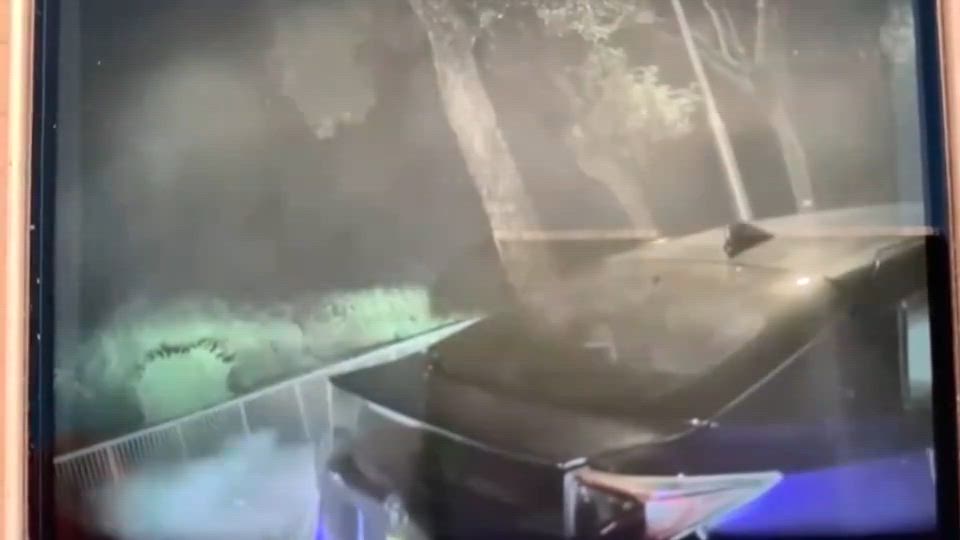

Woman injured by falling banana in Kwun Tong
25-10-2026 10:38 HKT
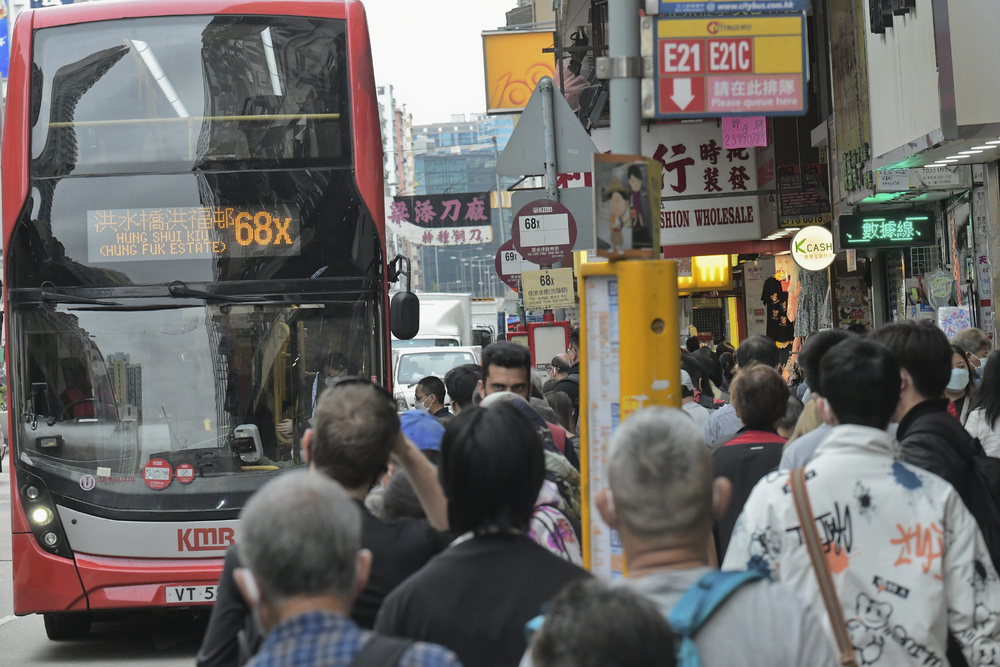
Commuters may need to pay 20 percent more on bus fares next year as bus operators have applied for fare increases due to rising operating costs and fewer passengers.
The warning came from the Transport and Logistics Bureau yesterday.
The latest price shock follows a power tariff increase of up to 40 percent and a proposal to double Star Ferry fares to HK$8.4.
The bureau said authorities are reviewing the applications from bus companies submitted in the first half of this year.
Kowloon Motor Bus and New World First Bus said the companies are going through a hard time with plunging patronage, soaring oil prices and rising manpower costs.
Fare increases approved by the Executive Council last year have failed to turn profits for the bus operators.
Figures from Transport International showed its subsidiary KMB has recorded a loss of HK$140 million in the first half of this year - three times its deficit year-on-year.
Citybus, which relies on fare-box revenue on airport lines, recorded a loss of HK$105 million last year, while NWFB has been in the red since 2017.
The sister companies said the price of fuel alone has increased by about 10 percent, and that they have been paying employees 4.5 percent extra following a three-year pay freeze.
A bureau spokesman said the government has already exempted franchised buses from paying tolls at tunnels operated by the government, and requires bus companies to put the savings in a fund.
If Exco approves the fare rise, reserves in the fund will be used to offset part of the increment.
The bureau will assess applications and inquiries from the Legislative Council's panel on transport and the Transport Advisory Committee before submitting them to the Executive Council.
It said a range of factors would be considered, including the changes in the applicants' costs and revenue since the last fare increase; forecasts on the applicants' costs, benefits and returns on investment; the franchisers' expected returns; citizens' acceptance and affordability; quality and quantity of the services; and an index indicating the range of fare increases.
"Toll fees of franchised buses are waived, and such waived costs shall be saved to establish funds by the franchisers," it said.
The bureau added that the Public Transport Fare Subsidy Scheme has been extended to next April to alleviate the economic burden on citizens. Three million citizens are expected to benefit from the scheme each month.
Meanwhile, in response to an inquiry from transport constituency lawmaker Frankie Yick Chi-ming, the Secretary for Transport and Logistics, Lam Sai-hung, said the government will not extend the fuel subsidy to public transport firms.
Under the current practice, the government reimburses one-third of the fuel costs of bus franchisers to help the industry offset the negative impact of the Covid pandemic.
"We have no plans to extend the provision of fuel subsidy at present, but will continue to maintain close liaison with the public transport operators on their operation," Yick said, adding that he believes that transport operators will recover following the relaxation of Covid curbs.
Citizens hoped the government would prioritize the livelihoods of grassroots citizens, as a fare increase for bus rides, combined with the rising electricity rates, would worsen their financial burden. Some parents called on the bus companies to put the fare rises on hold as their children take buses to school every day.
Lawmaker Ben Chan Han-pan, a member of Legco panel on transport, said the same, hoping that the government would handle the issue with care, and that bus operators would be able to make use of the funds saved from the tunnel toll exemptions to offset their total costs.
Nicholas Hon Chun-yin, spokesman of transport policy for the Democratic Party, called on authorities to set up a fare stabilization fund, and suggested that the government look into a public-private partnership model to reduce the fare rise impact on livelihoods.