Read More

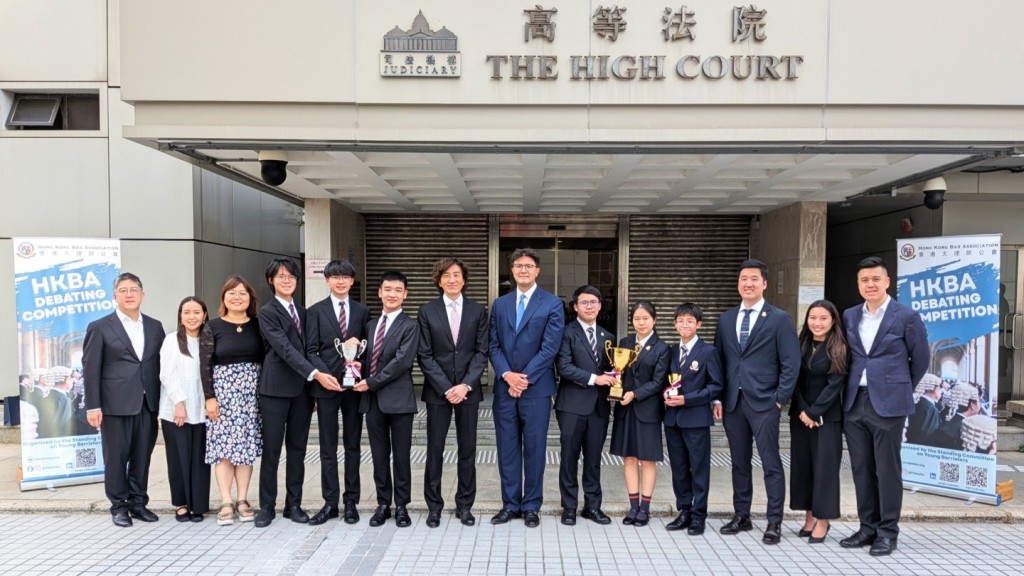
Young debaters win over judges as they take the stand at HKBA debate finals
09-08-2026 16:45 HKT
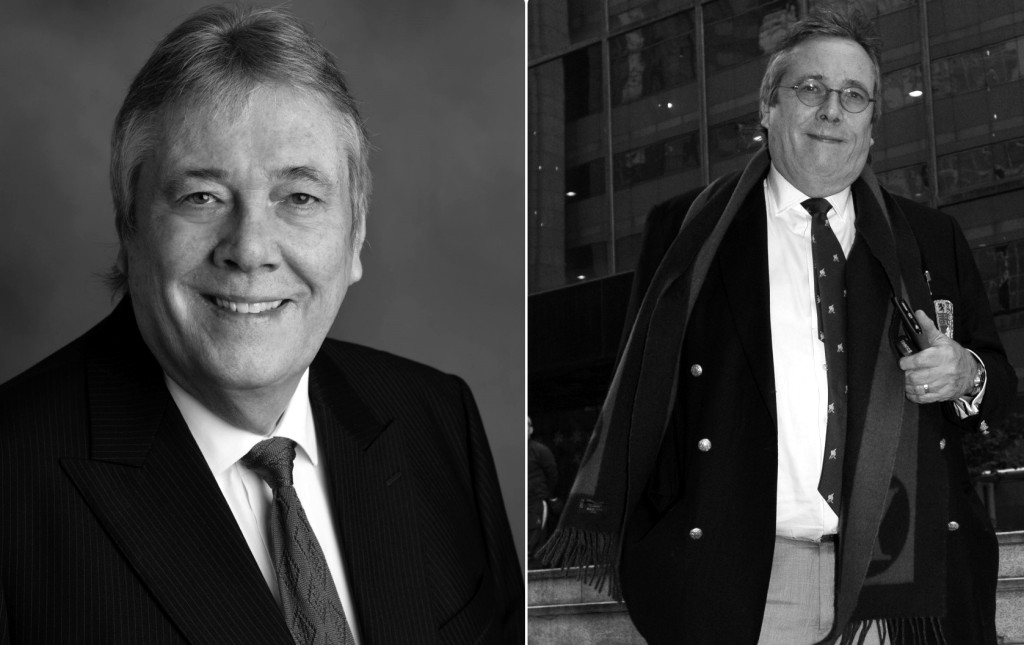
Hong Kong Bar Association mourns passing of Senior Counsel Graham A. Harris
11-03-2026 21:10 HKT

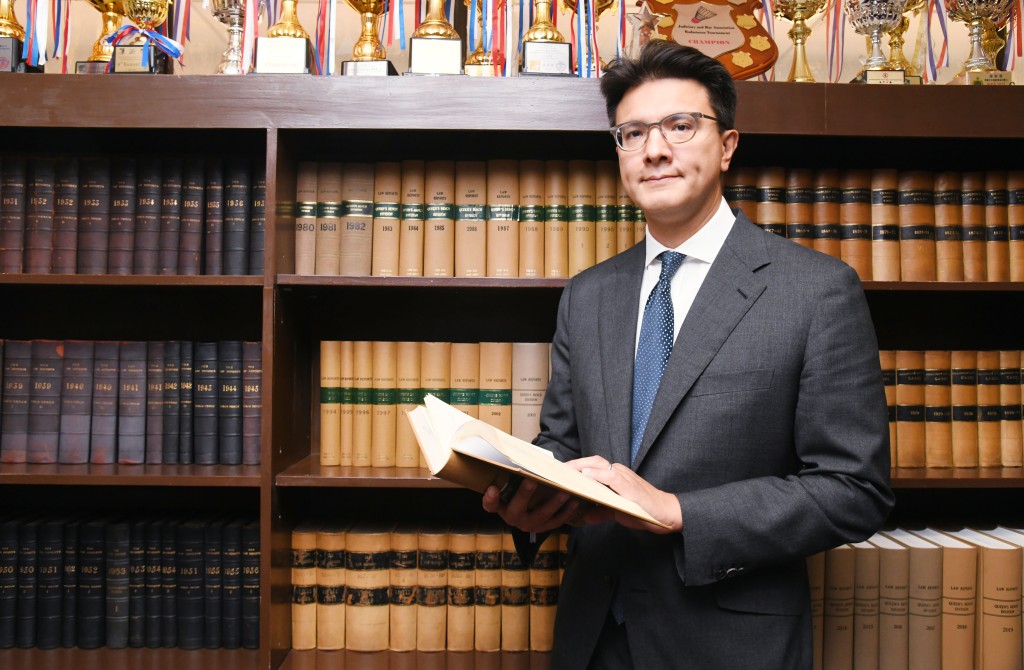
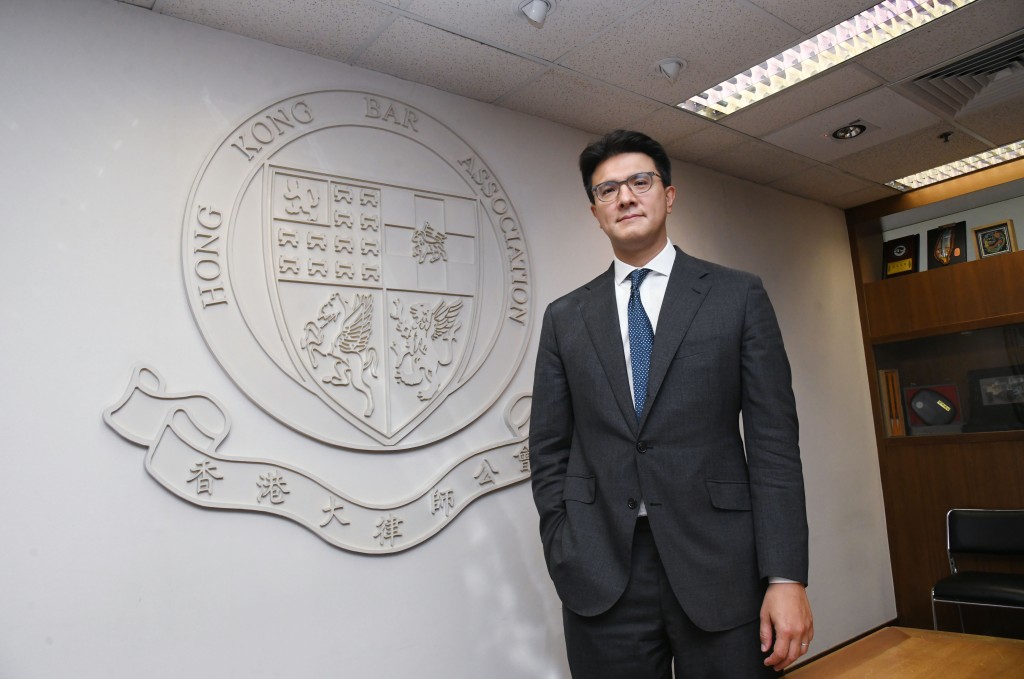
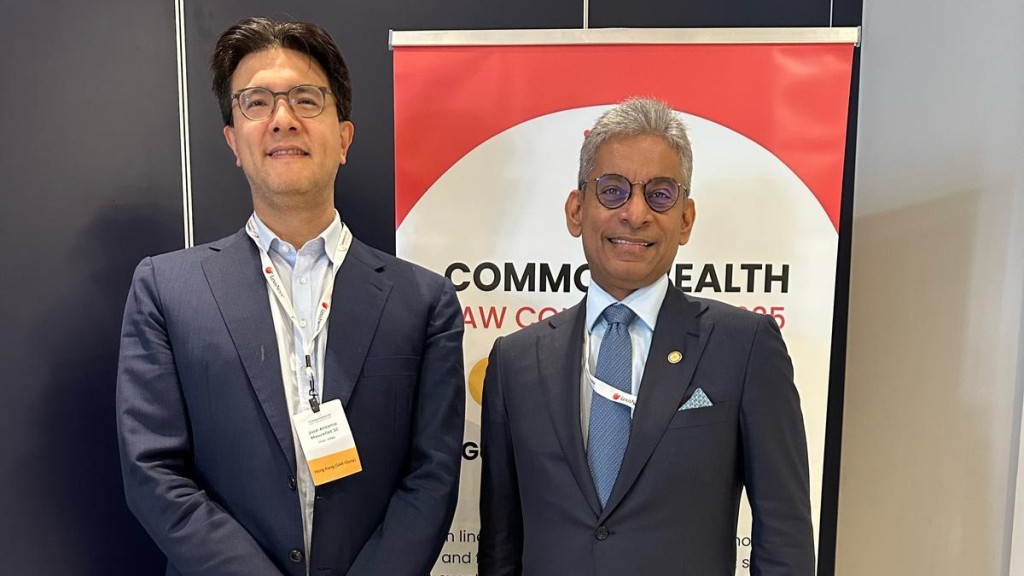





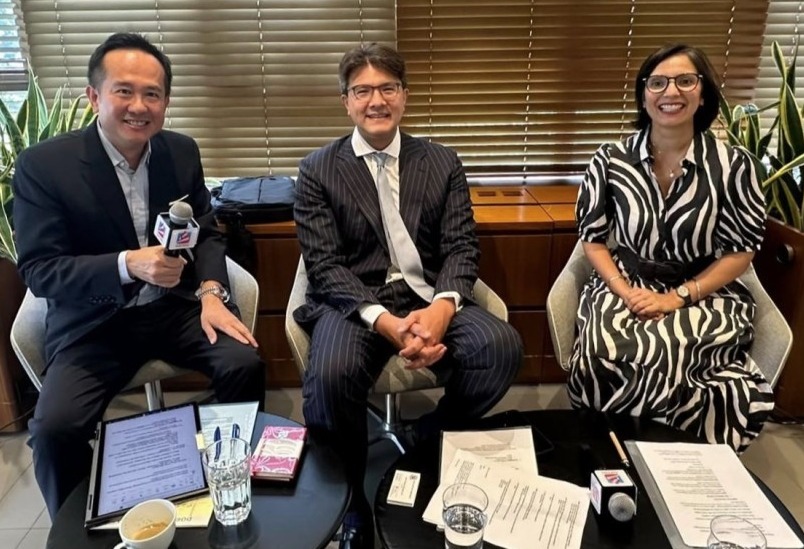
The Hong Kong Bar Association briefed the American Chamber of Commerce in Hong Kong on Tuesday on the city’s rule of law, arbitration landscape and legal advantages for multinational companies.
The luncheon, titled “Resolving Disputes in Hong Kong: What Multinationals Need to Know About Arbitration, Courts & Risk,” brought together representatives from AmCham HK, the HKBA and the Hong Kong International Arbitration Centre.
The event covered Hong Kong’s arbitration framework, the role of the HKIAC, and practical examples of US companies enforcing arbitral awards in mainland China.
AmCham HK is one of the largest international business organizations outside the United States and the largest in Hong Kong, with more than 1,900 members across sectors including financial services, technology and trade.
Guest speakers included AmCham Law Committee co-chair Simon Chan Man-yiu, HKBA chairman Jose-Antonio Maurellet and HKIAC deputy secretary-general Kiran Sanghera.
Maurellet said Hong Kong’s common law system provides legal clarity and helps sustain the rule of law, allowing businesses to better predict outcomes when drafting contracts, making cross-border investments and resolving disputes.
He said this helps reduce legal risks for enterprises.
Maurellet added that the proposed Hong Kong International Commercial Court would be able to handle major and complex cross-border commercial disputes, further protecting investors’ rights and strengthening Hong Kong’s competitiveness as an international financial center.
Citing AmCham’s 2026 Business Sentiment Survey Findings Report, Maurellet noted that more than 90 percent of surveyed American companies expressed confidence in Hong Kong’s rule of law.
He said Hong Kong’s robust rule of law and independent judicial system remain crucial to attracting multinational companies to invest in the city.
Maurellet also noted that Hong Kong has a strong pool of international legal talent, with many barristers holding professional arbitration qualifications, enabling the city to provide effective legal protection for multinationals.
He added that Hong Kong, as the world’s only bilingual Chinese-English common law jurisdiction, has a legal system aligned with other common law jurisdictions, and that past cases have shown disputes involving American companies can be successfully resolved in the city.