Read More
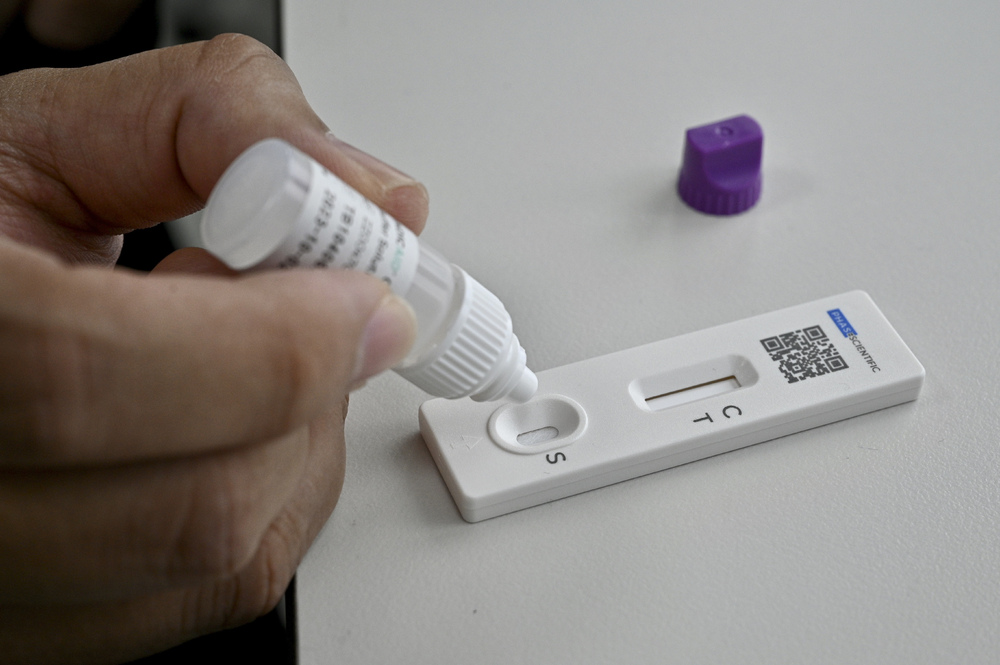
About 55 tonnes of rapid antigen test kits are turned into waste each day, but environmental chief Tse Chin-wan claims they will not put significant additional pressure on landfills and the environment.
ADVERTISEMENT
SCROLL TO CONTINUE WITH CONTENT
His claim followed legislator Chan Hoi-yan raising concerns that test kits used in the SAR during the Covid-19 pandemic will burden landfills and cause pollution.
Chan quoted environmentalists in saying the kits are made of non-degradable materials, and asked Tse to evaluate their impact on the environment and to say if authorities are taking systematic approaches to deal with the disposal of the kits.
Secretary for Environment and Ecology Tse said in a written reply yesterday that officials do not have separate statistics on the number of RAT kits disposed of in Hong Kong each day, though the figure had inevitably increased along with the Covid situation.
But the estimated 60 tons of additional waste generated by using the rapid test kits would not put significant additional pressure on landfills and the environment compared to the overall quantity of municipal solid waste that Hong Kong disposes of each day, which amounted to some 10,800 tons. And any additional pressure "is temporary in nature and will ease off when the pandemic subsides."
Tse also said people should not attempt to recycle test kits because they contain chemicals. And it is likely that used kits that returned negative results could still be contaminated by the coronavirus.
"After conducting the test the best practice is to wrap and seal the components properly according to the manufacturer's instructions before disposal and wash hands afterwards," he said.
"Non-contaminated test kit boxes/bags and user guides can be recycled separately as appropriate."
Tse also said authorities would look to order RAT kits with less packaging to reduce waste, but there were limits on how far the administration could go.
"Currently, various manufacturers of RAT kits around the world are supplying their products to international markets," he said. "Therefore, there is not much room for the government to negotiate with individual manufacturers on changes to packaging or manufacturing materials of RAT kits."
But in a report in February from the World Health Organization after a global analysis of health care waste linked to Covid-19 the RAT kits were classified as "nonhazardous."
That report went on to state "most components are recyclable," though "a very small volume of reagent may require safe handling and disposal if dealing with large numbers of tests."
Edmond Lau Shiu-long, senior project officer for Environmental group The Green Earth, said he agreed generally with Tse.
Still, "RAT kits are inevitably medical risks, so even if their materials are recyclable we do not recommend citizens try to recycle.
"But we hope that citizens can recycle parts of a kit, including the packaging and instruction papers. But as I observe not many people are doing so."
He also said the administration could act more proactively to reduce waste incurred by discarded RAT kits, noting that "students now need to do a RAT and get negative results before attending school. The Education Bureau could set up recycle boxes at schools and encourage students to recycle the suitable-for-recycling parts of kits."
Additionally, Lau said, "kit suppliers may consider omitting some parts of kits and reducing packaging. For example, we are now familiar with using RAT kits and it is possible not to include the instruction paper."
Lau suggested too that authorities prioritize recycling to reduce waste at source.
"Landfills are the last solution, and the government should consider recycling first instead of directly sending all waste to the landfill," he said.
"We cannot simply measure the impact of waste by weight, for as we know plastic is hazardous but it's light."
As for the reagent of RAT kits, Lau does not believe it will pollute the ground significantly.
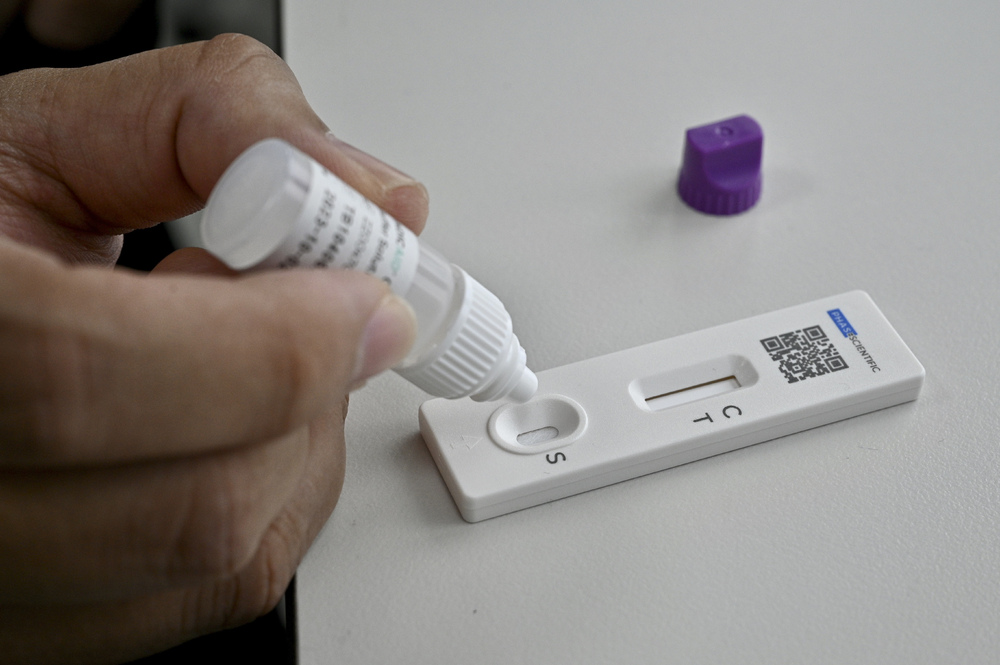
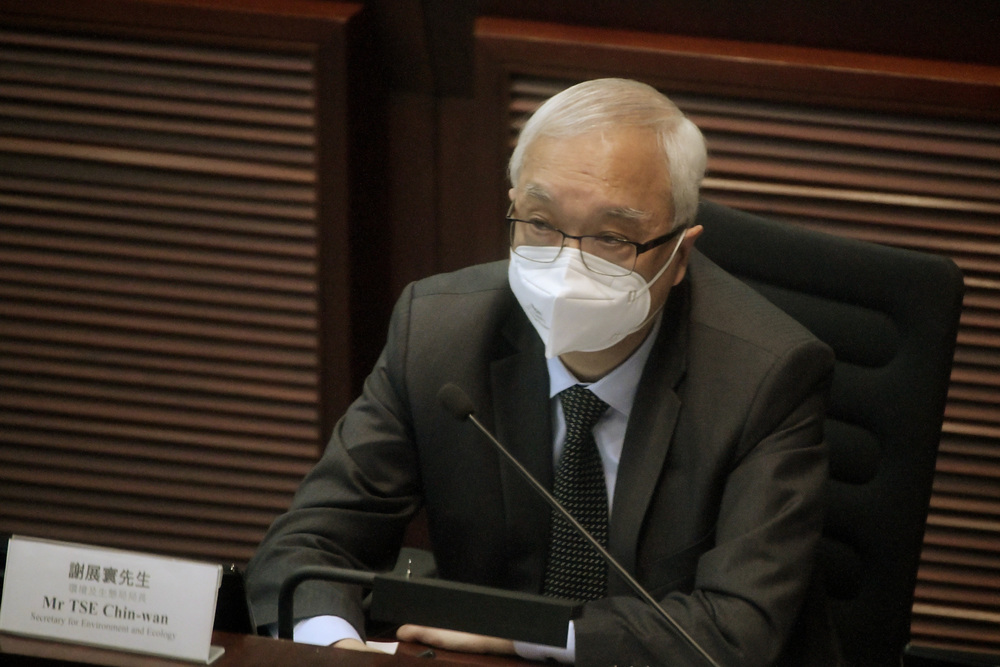
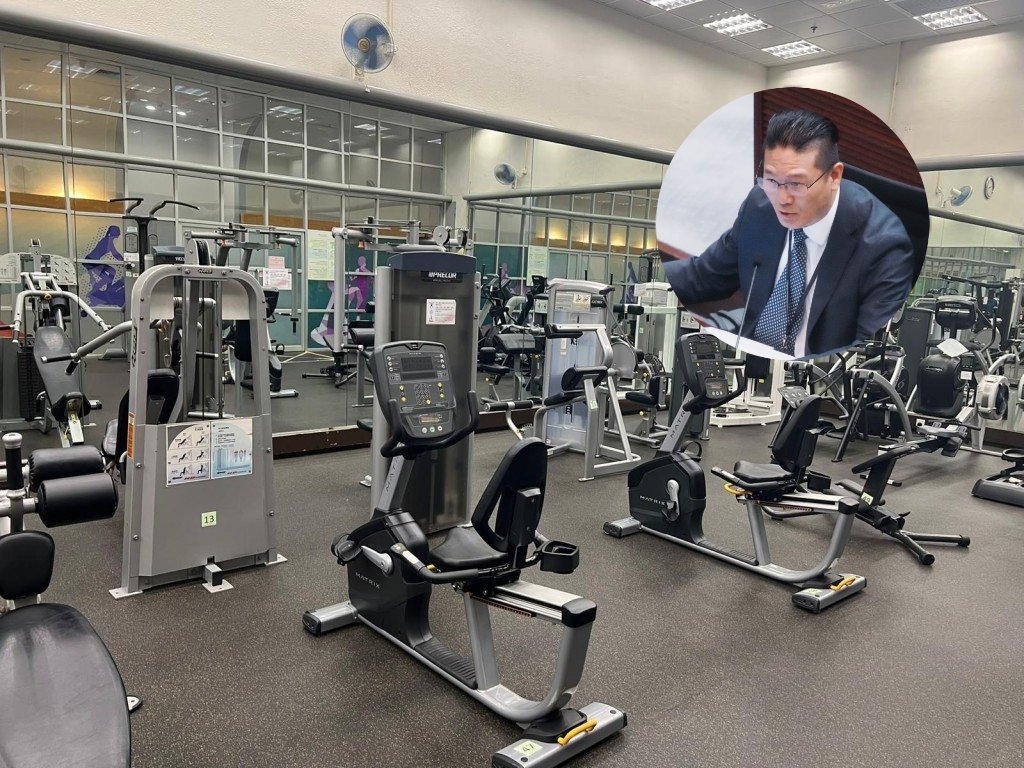
Tse Chan-wan, inset, said the waste from rapid antigen test kits will not put significant additional pressure on landfills or the environment.