Read More

Night Recap - May 22, 2026
5 hours ago
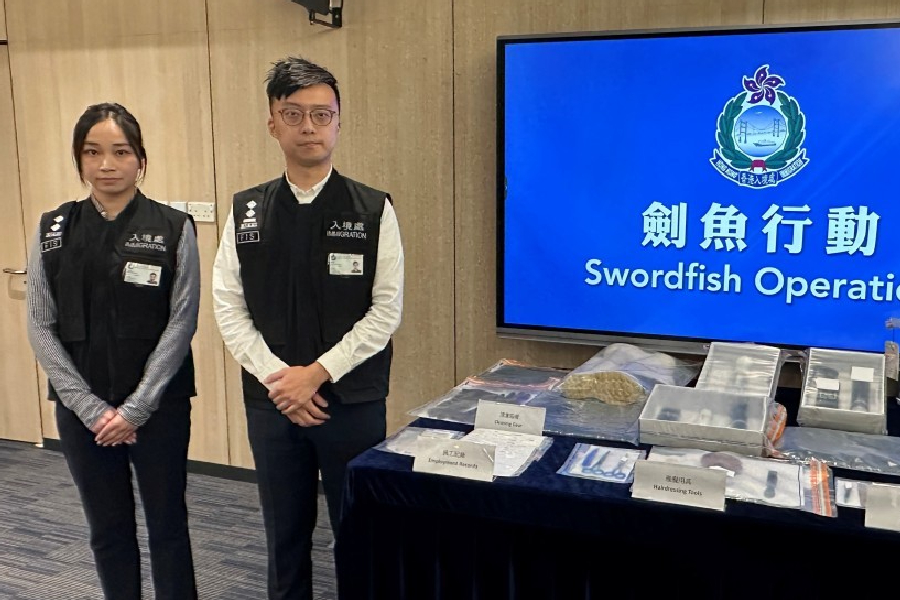
ImmD crackdown targets moonlighting domestic helpers arresting 17
19-05-2026 17:52 HKT
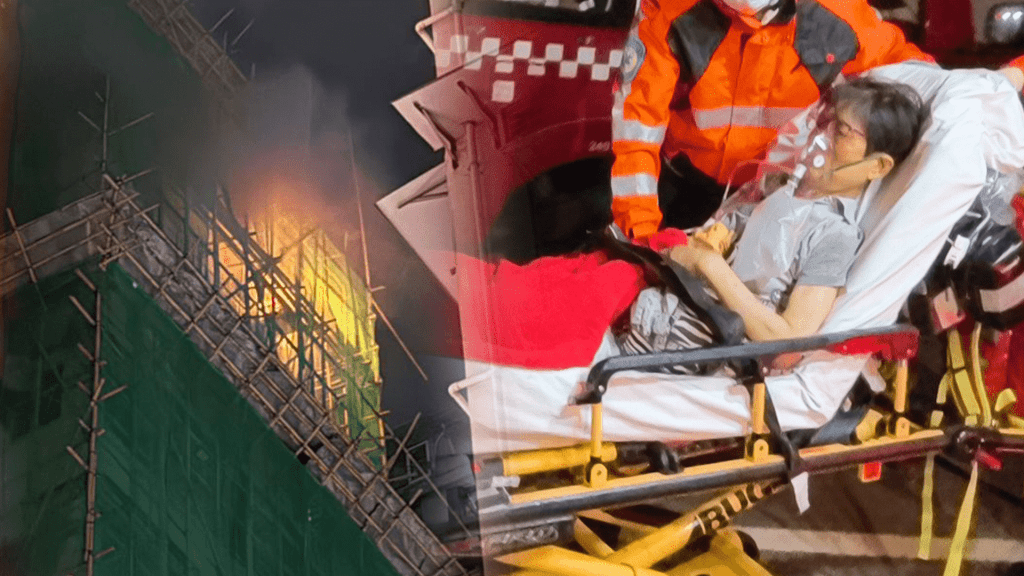
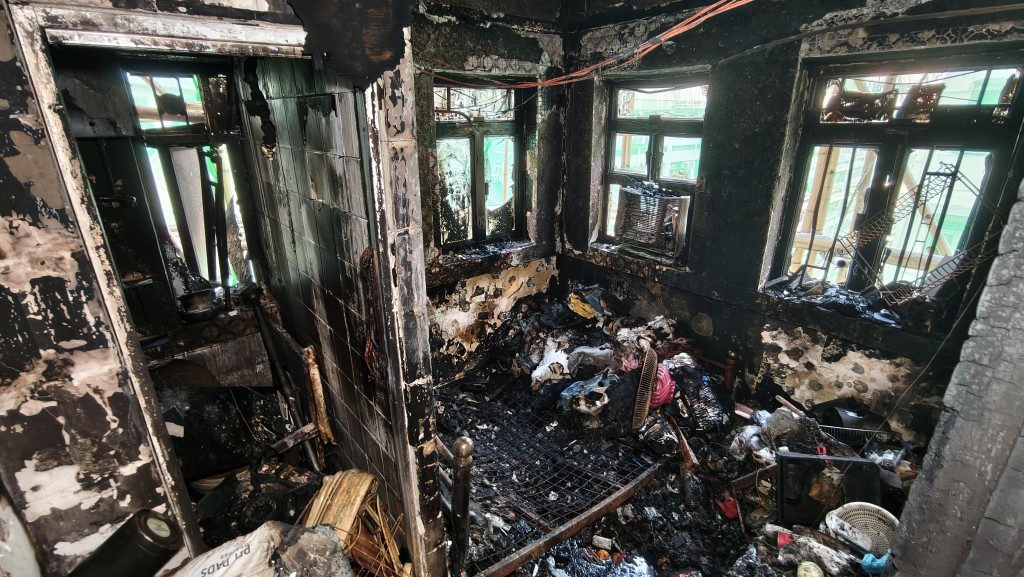
One dead, four injured in Jordan flat fire, 200 residents evacuated
22-05-2026 00:48 HKT
It was like two different worlds between Hong Kong and South Korea in resuming normal life.
After booking flights and a hotel, as well as applying for the Korea Electronic Travel Authorization online, I started looking for travel insurance that provided Covid coverage costing from HK$48 to over HK$100 for a single journey.
I was not asked to take any Covid test as the South Korean government had removed the on-arrival PCR test rule for inbound travelers from October 1, so I only showed my passport and the Q-code to airport staff.
Travelers are free to go to the city by any public transport after immigration clearance.After entering the city, I could see people leading life just like before the pandemic.
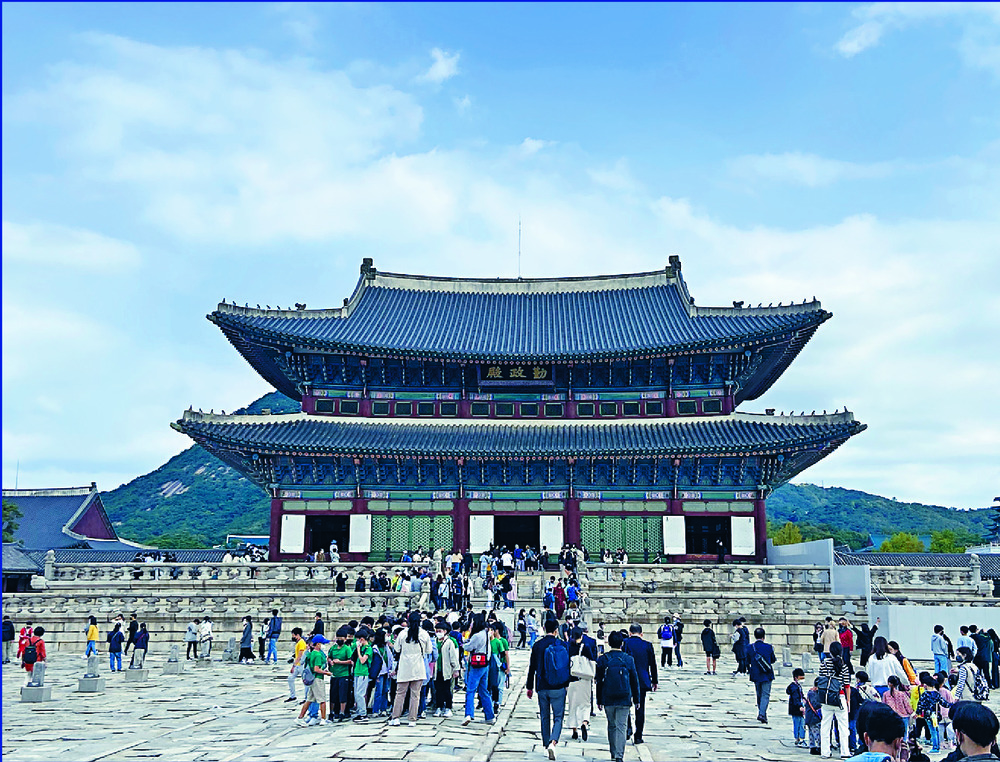
People still needed to wear masks indoors, on public transport and tour buses, but the outdoor mask rule has been lifted. Still, about 70 percent of people were wearing masks on streets.Tourism is on the rebound in the country and I saw many foreign faces and heard languages other than Korean. Some famous tourist attractions like Gyeongbokgung Palace were crowded. Besides tourists, there were also a lot of students on field trips.
Other tours to places like the Korean Demilitarized Zone were full even though such attractions only allowed a limited number of visitors because of the pandemic.Throughout the trip, the government updated daily Covid cases by sending people public safety alerts, but locals have been used to them.
Unlike in Hong Kong, people in South Korea do not need to use a contact tracing app or vaccine pass for dining in restaurants or entering premises like hair salons and malls.Restaurants also do not have a limit in dine-in service hours so some remain open for 24 hours. There is no cap on the number of diners at each table and plexiglass dividers between tables are out, but restaurant staff still wear masks for hygiene reasons.
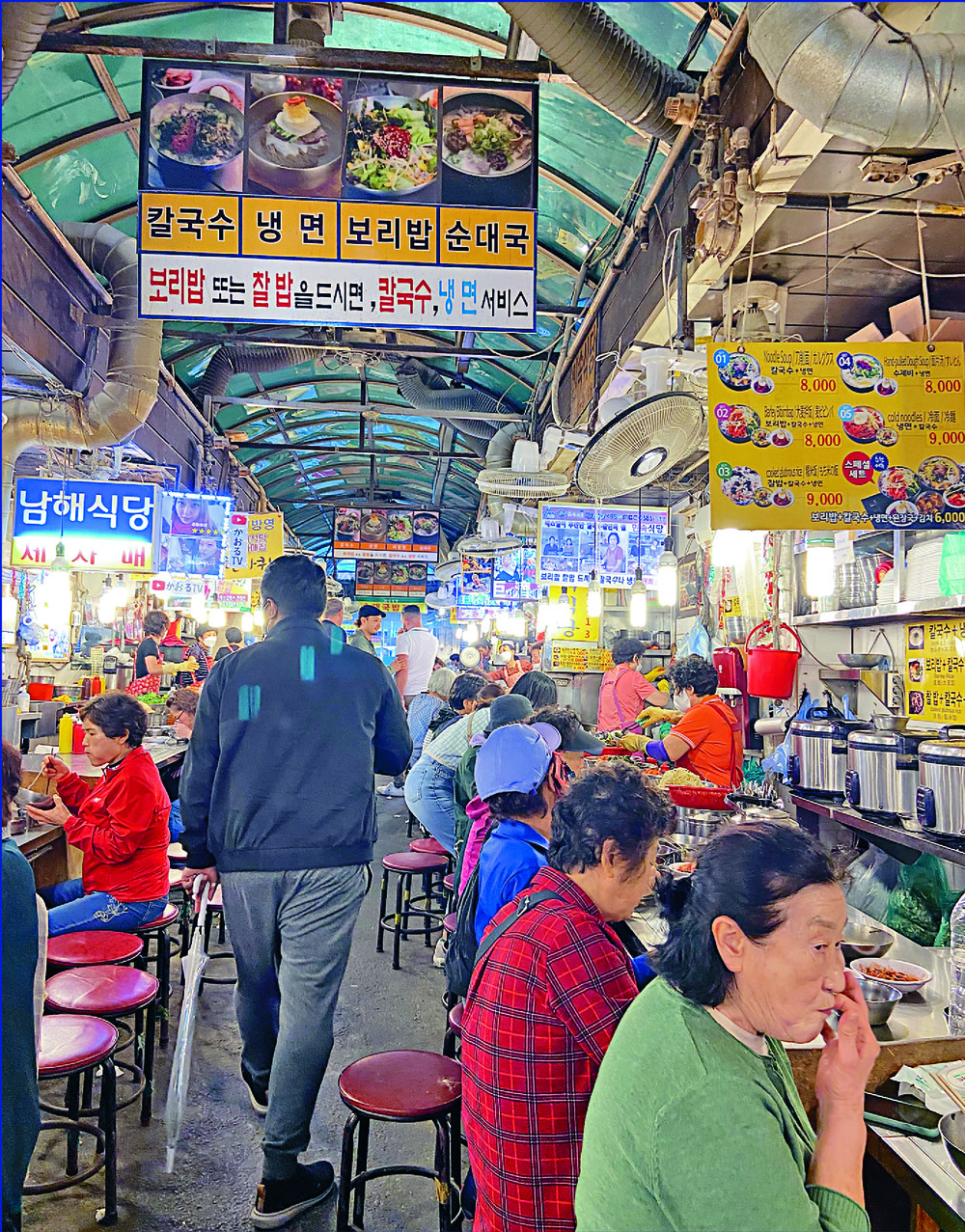
In Namdaemun Market, a woman working at a noodle stall told me to sit closer to the next customer to allow in more diners.I could feel the much stricter anti-epidemic rules when my trip came to an end as I needed to take a rapid antigen test with a negative result within 24 hours prior to my flight to Hong Kong.
But I had forgotten to fill in the health declaration form online and get a green health declaration QR code by the Department of Health in advance, so it took me some time at the airport check-in counter and I had to do it in a rush so I could catch my return flight home.The first stop after getting off the plane was the PCR test point at Chek Lap Kok airport but the process was smooth and it took less than 15 minutes for the test.
Meanwhile, I realized my vaccine pass QR code in the LeaveHomeSafe app has been changed to amber, meaning my three-day medical surveillance had started and I am restricted from visiting high-risk places and joining mask-off activities like eating with others in restaurants.A staff at the airport also gave passengers a piece of paper, reminding us to register with the electronic Covid surveillance system where we have to upload our rapid test results every day until Day 7.
After I got home, I received a text message from health authorities reminding me to take mandatory PRC tests at a community testing center or mobile specimen collection station on Days 2, 4 and 6. I could face a fine of HK$10,000 if I fail to comply.sophie.hui@singtaonewscorp.com