Read More
Over half of Hongkongers cut back on household spending in the past three months, with three in four restricting personal spending in the next quarter due to worries over inflation amid the prolonged pandemic, a survey has found.
ADVERTISEMENT
SCROLL TO CONTINUE WITH CONTENT
The quarterly TransUnion Hong Kong consumer pulse survey of 1,006 people from May 26 to June 15 found 95 percent of respondents were worried inflation might reach a new high.
The latest composite consumer price index, the underlying inflation rate, in June was 1.8 percent higher than that in the same month last year, according to the Census and Statistics Department.
The survey showed 81 percent said their household income remained the same or declined in the past three months. That figure was way higher than the 66 percent in the last survey conducted in February.
Almost one in five, or 18 percent, said they had a pay cut while 16 percent said their working hours were shortened and 14 percent lost their job.
One in five said they expected difficulties in paying bills or debts due to pay reduction.
Although the jobless rate had fallen from 5.4 percent to 5.1 percent from March to May, 69 percent did not expect an increase in their household income in the coming 12 months.
Less than a quarter or 22 percent felt their household finances were better than planned when the survey was done
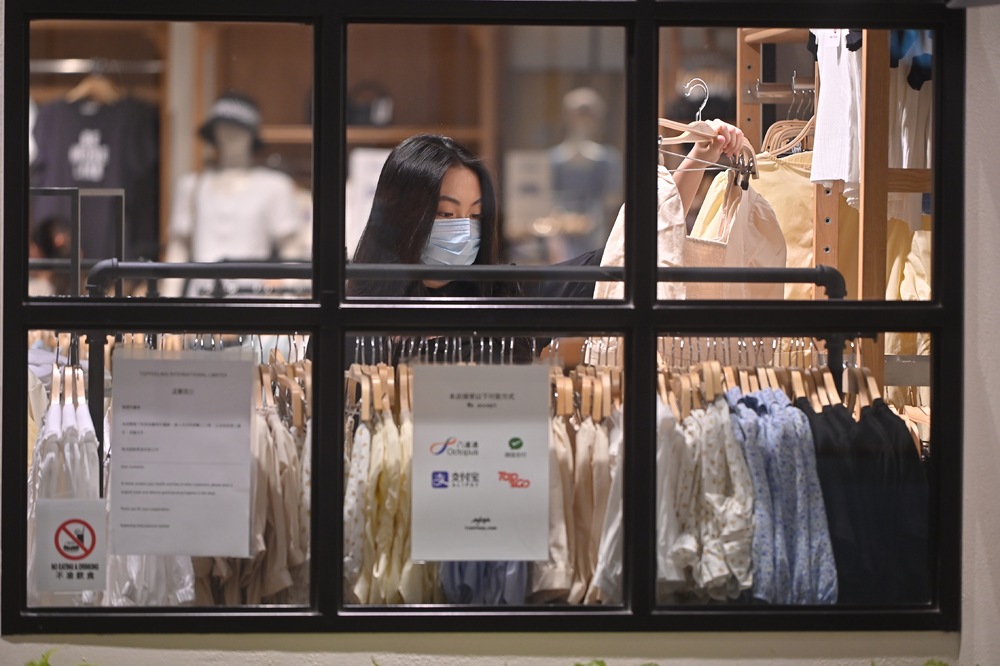
Some 55 percent reduced household consumption in the past three months, with 45 percent cutting "discretionary spending" that included dining out, traveling and entertainment.
For the next three months, 57 percent said they plan to change their purchasing behavior.
Among seven categories of household expenses - bills and loans, digital services, discretionary spending, large purchases such as cars, medical care, retail such as clothing and electronics, and retirement funds - the largest proportion of 44 percent said they will cut discretionary spending.
Just 17 percent planned to cut essential expenses for bills and medical services.
TransUnion Asia Pacific's senior director and head of solution consulting Eric Chueng said concerns over financial burdens from the fifth wave are not going away, despite infections falling from the peak of tens of thousands of cases per day.
The survey also found consumers were pessimistic with inflation as 95 percent said they were worried.
"This was likely triggered by the broader macro-environment and happenings in global financial markets such as the US Fed rate hike alongside local increases in things like petrol prices, which are already being felt," Cheung said.
Consumption vouchers can be "financial boosters" as he said "it's crucial to keep abreast of the macro economy which is also shaping consumers' evolving needs."
tsdreporter6@singtaonewscorp.com
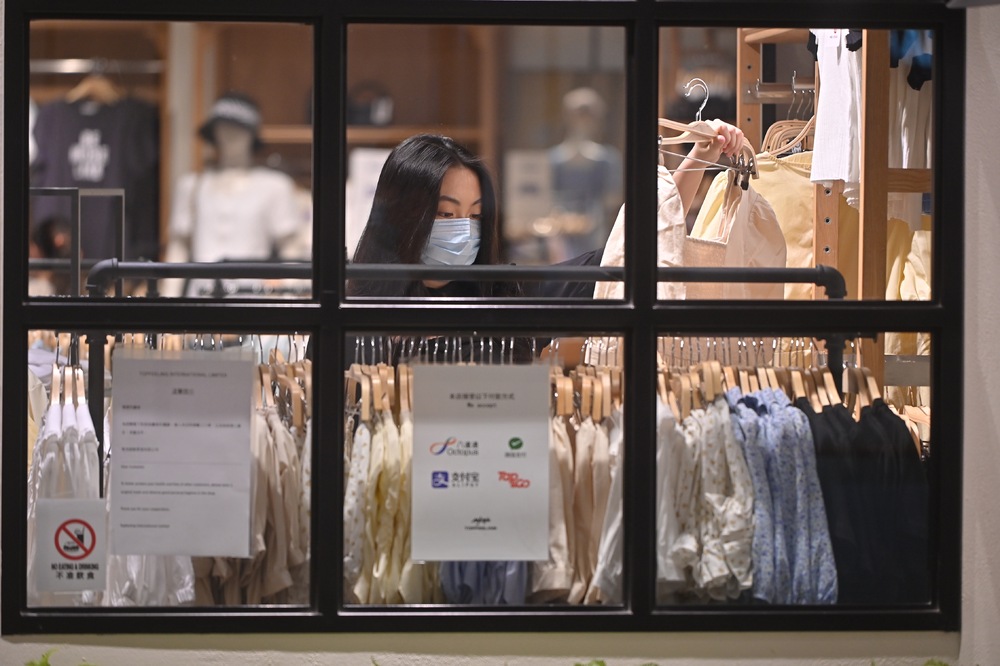
Consumer needs are evolving, the survey said. SING TAO