Read More



Sophie Hui
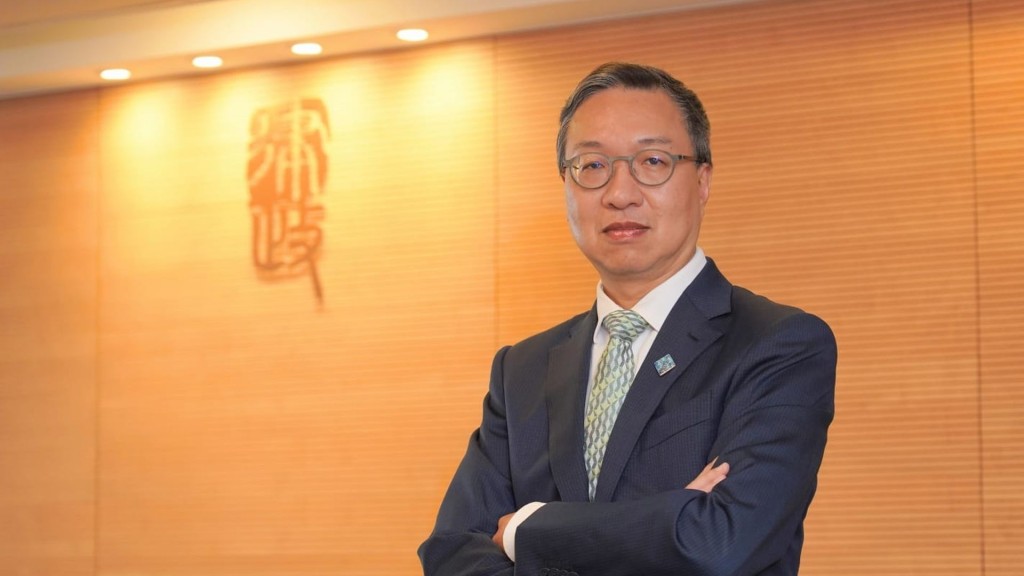
A mainland-style color-coded health system under real-name registration, which will ban citizens who fail to comply with mandatory Covid-19 tests from entering some places, is being considered, says Secretary for Health Lo Chung-mau.
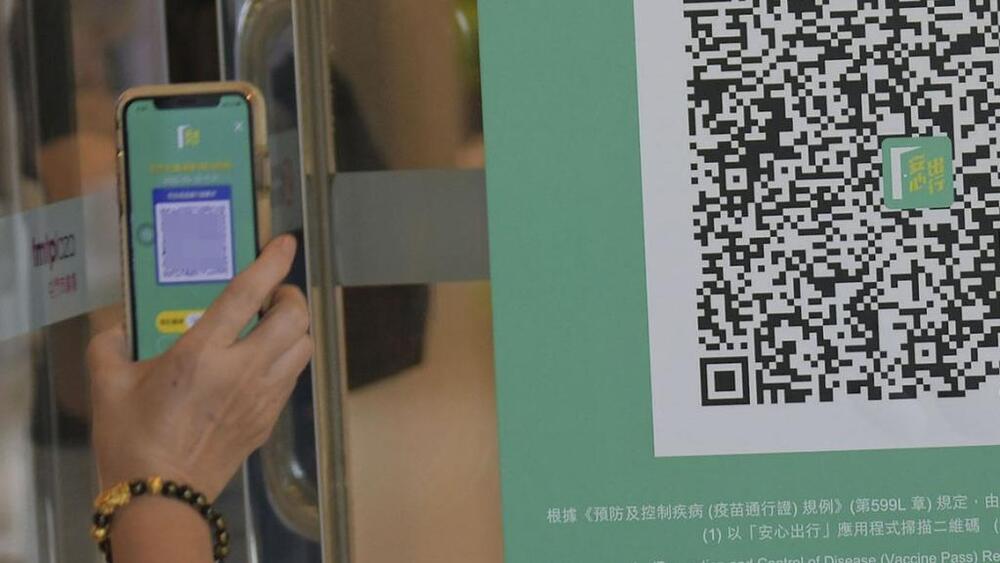
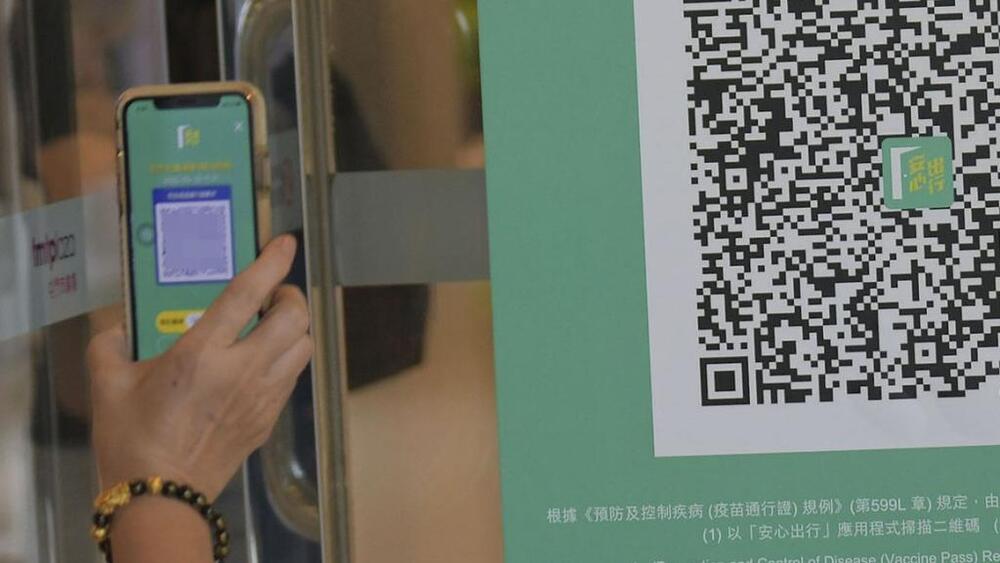
Lo said the Innovation, Technology and Industry Bureau is considering restricting entry of high-risk citizens who have yet to take Covid tests via the LeaveHomeSafe mobile application.
That would mean the app will have to operate under a real-name registration system, he said.
Authorities are also considering introducing a color-coded system of red, yellow and green to indicate people of high, medium and low infection risk.
Speaking in a TV interview yesterday, Lo said allowing infected citizens freedom is in turn an infringement of freedom for healthy people.
"Actually only a minority of people are infected and a majority of people are not infected," he said.
"If we allow infected people freedom and they can move around freely, people who are not infected will see their freedom being restricted. Infected people should not endanger other citizens' health."
Lo also said the compulsory testing notices are not coercive.
"I think this is unfair to other people as this person is at high risk but he or she can still move around freely. We should at least identify these people and establish a mechanism to prohibit them entering high-risk premises," he said.
But Lo did not say when such policy would be brought in.
Currently, the LeaveHomeSafe app will present a QR code for citizens to enter certain premises with valid vaccine passes. It is understood authorities will add one more QR code in the app for PCR test results so operators can identify whether a person is infected, and citizens will have to register their information for the app to become a real-name system.
In the mainland, people will get a green, yellow or red QR code based on the information they registered, including their health status, contact history and residence history. A similar system has been implemented in Macau.
People who are holding a red or yellow health code cannot get on public transport, enter public premises and travel to other provinces as the code means they are infected, or close contacts of infected, people who are under quarantine, or they have not taken a PCR test, or infections have been found in the building in they are living.
People can only move around freely once their health code turns green after they have fulfilled requirements such as testing negative in PCR tests.
It is understood the SAR authorities have yet to decide the criteria and forbidden places for yellow code holders, but people who are infected or close contacts, or those who are under quarantine such as overseas arrivals, would get a red code.
In Hong Kong, an extensive range of premises now require citizens to scan the LeaveHomeSafe app, including shopping malls and supermarkets, but not on public transport.
In the interview, Lo said authorities will step up with sensitive PCR tests and require high-risk citizens, including care-home workers, to take PCR tests in addition to rapid tests.
He said in the first stage they may be required to take PCR tests once a week, which eventually will be stepped up to every two days so people will feel safer.
"I understand our care-home colleagues have very busy work schedules," Lo said.
"They have to take a rapid antigen test every day, but they will still go to work even if they feel unwell as long as their result is negative.
"This poses a great risk to the elderly."
He said the government will bear the testing cost for those workers.
Apart from regularizing the PCR test, Lo said the tests have to be done "more, be quick, accurate, easy and cheap." He said authorities need to review the HK$240 fee for self-paid testing. In the mainland, a single-tube sample test costs 16 yuan while a mixed sample tube test costs four yuan.
Lo said he explained the testing measure to PCR testing service providers on July 1, and hoped they can enhance their testing capacity.
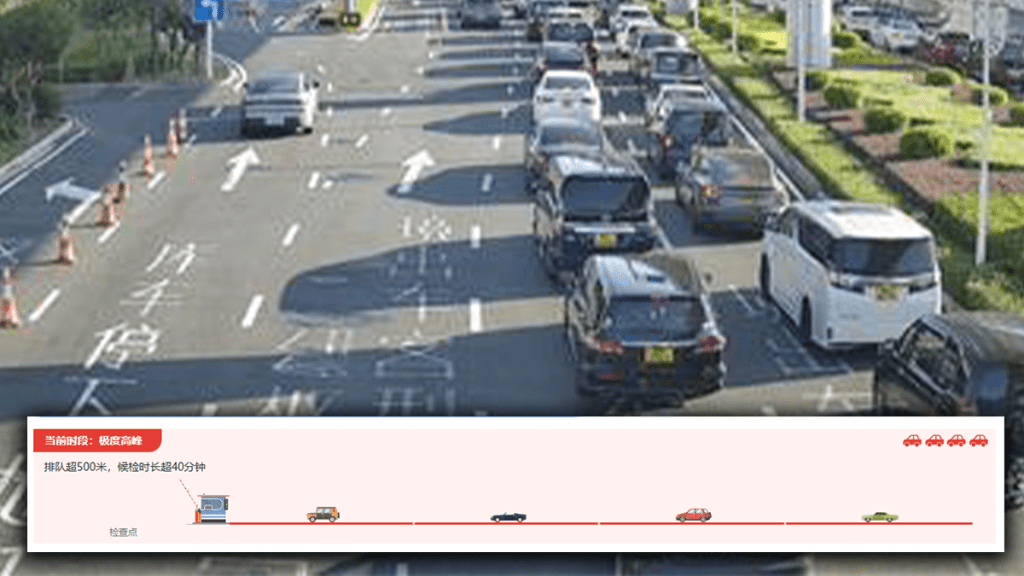
On border reopening with the mainland, Lo said people had misinterpreted his previous remarks on allowing citizens to reunite with mainland families by Chinese Valentine's Day on August 4, as the date for quarantine-free border reopening.
Lo said it is unrealistic and he is pushing to add a quarantine hotel and cross-border quota.
Medical sector lawmaker David Lam Tzit-yuen suggested authorities require citizens to take daily PCR tests while observing point-to-point management for several days before they return to the mainland, in exchange for a shorter hotel quarantine.
He also called for authorities to cut hotel isolation for overseas arrivals from seven days to five.
But Roundtable lawmaker Michael Tien Puk-sun suggested cutting hotel quarantine for flight arrivals to three days, followed by four days of home isolation.
sophie.hui@singtaonewscorp.com