Read More
The prime rates of local banks are expected to be raised as soon as this year after the interest rate spreads between Hong Kong and the United States widened, with the Federal Reserve signaling another big move next month.
ADVERTISEMENT
SCROLL TO CONTINUE WITH CONTENT
The Fed raised interest rates by 75 basis points - the biggest increase since 1994 - with chairman Jerome Powell saying it is "an unusually large one and I do not expect moves of this size to be common."
Still, Powell said another hike of 50 or 75 basis points was likely at the next meeting of policymakers.
The Fed forecast that interest rates would rise to 3.4 percent by December and 3.8 percent by the end of 2023 - a big upgrade from the 1.9 percent and 2.8 percent they penciled in for their March projections.
The tightening of monetary policy was accompanied by a downgrade to the Fed's economic outlook, with the US economy now slowing to a below-trend 1.7 percent growth and unemployment rising to 3.7 percent by the end of the year.
And a survey by real estate service firm HomeLight found that nearly half of potential home buyers in the United States have been spooked by rising interest rates and paused their plans for six to 12 months.
The Hong Kong Monetary Authority moved in lockstep with the Fed and raised the benchmark interest rate by 75 basis points given the Hong Kong dollar's peg with the US dollar.
The de facto central bank bought another HK$13.8 billion worth of the city's dollars to defend the currency, leaving the aggregate balance shrinking to HK$280.7 billion.
The one-month Hong Kong interbank offered rate advanced to 0.58 percent.
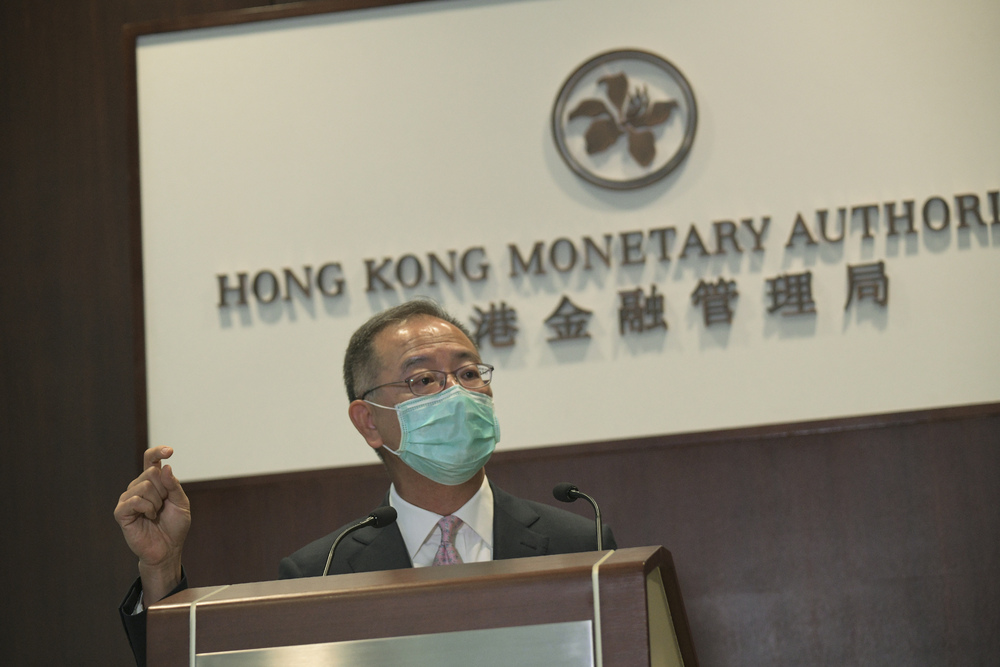
HKMA chief Eddie Yue Wai-man warned that there may be more frequent carry trade activities between the two currencies in the future as interest rate differentials continue to widen, driving funds to gradually flow from the Hong Kong dollar to the US dollar.
While both Yue and Financial Secretary Paul Chan Mo-po reaffirmed that the city's financial markets continue to remain stable and market liquidity is ample, they advise the public to carefully assess and manage risks.
Chan said the capital outflow would have an impact on emerging economies and Hong Kong's exports may be affected.
While major banks - including HSBC, Standard Chartered and Bank of China - have maintained their best lending rates due to abundant liquidity, economists at Standard Chartered and DBS Group expect the prime rates to be raised as soon as this year. DBS sees banks' prime rates rising by 25 basis points by the end of this year, while Moody's Analytics recently upgraded the possibility of a rise to 4 percent.
Banks will face pressure to raise their best lending rates sometime late this year or early next year, similar to the Fed's last tightening cycle between 2015 and 2018, said Chung Ling-wei, an economist at S&P Global Market Intelligence.
aiden.he@singtaonewscorp.com
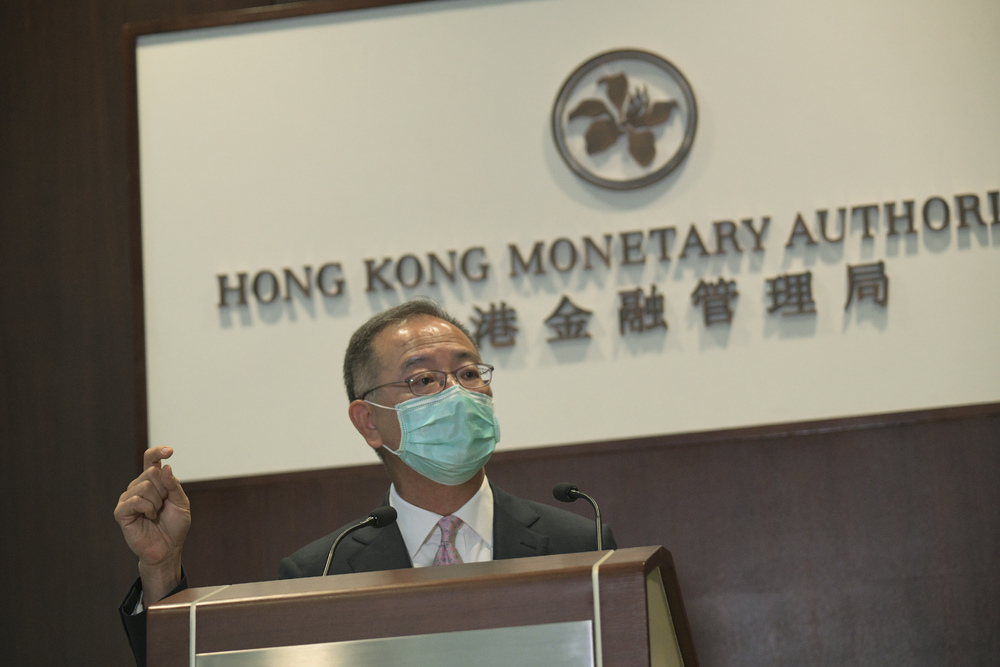
Eddie Yue SING TAO