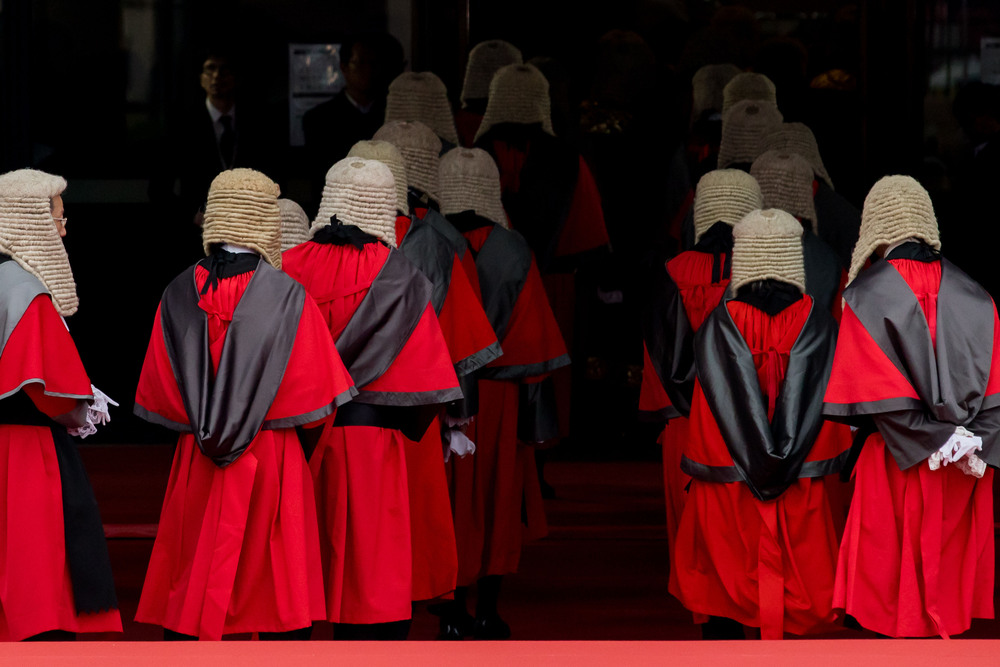
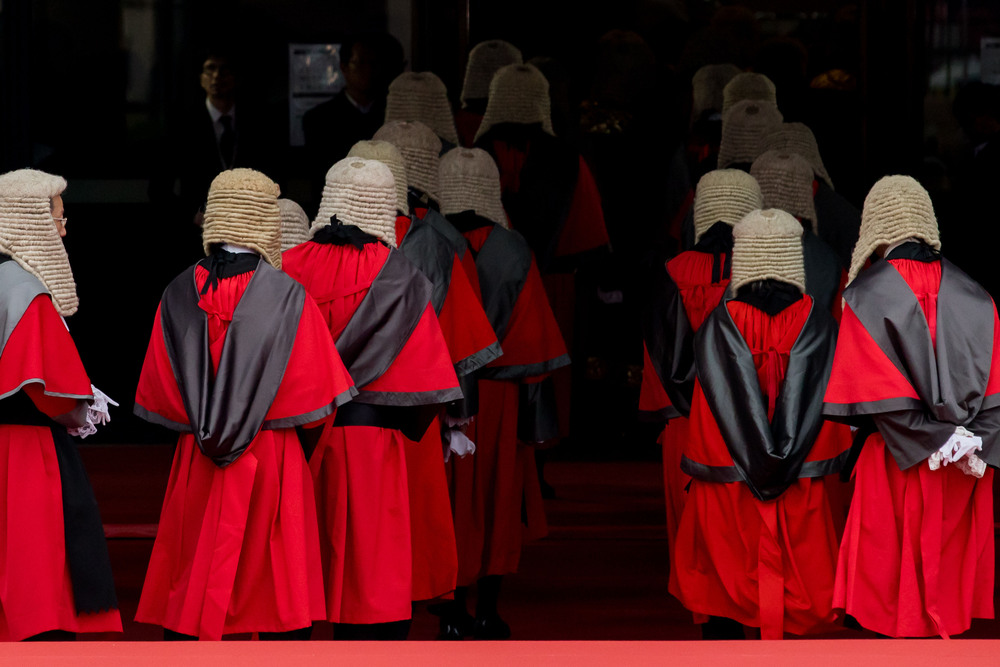
Judges should be careful when making posts on social media, adding friends and following pages, says an updated Guide to Judicial Conduct published yesterday.
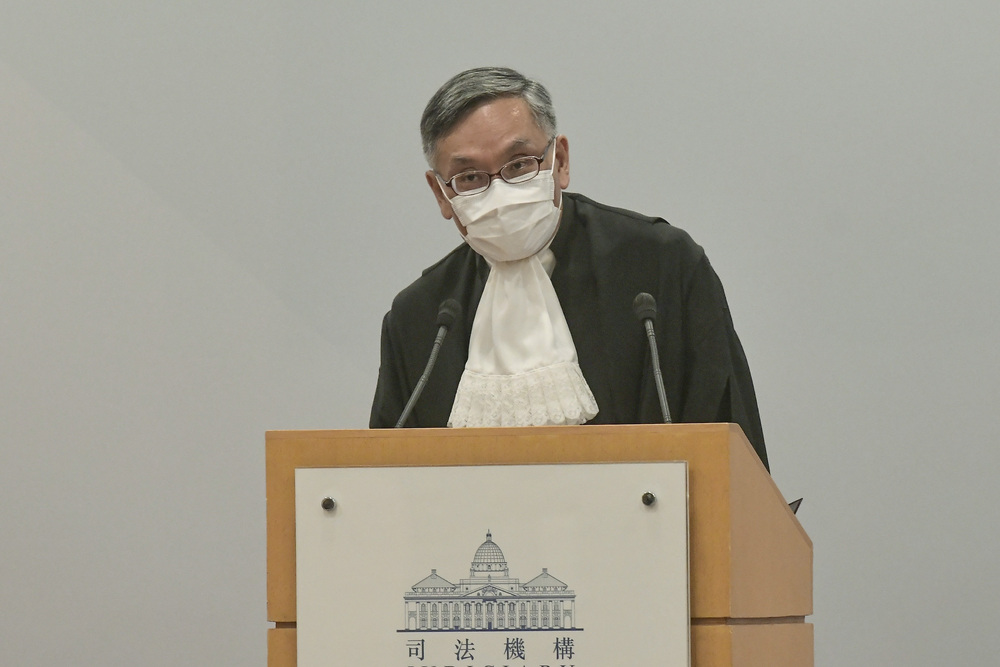
The Chief Justice of the Court of Final Appeal, Andrew Cheung Kui-nung, said the revised version, which came 18 years after the last edition in 2004, has taken into account the impact of the advancement in information technology, particularly the use of social media in daily life.
General principles on handling cases involving public controversies, and guidance on behavior in court as well as making comments on judicial functions are also covered. Guidance on recusal and apparent bias has also been updated with reference to recent cases.
Social media constituted one page of the 44-page document, which said: "Judges' use of social media in their private activities is a matter of personal choice and not objectionable.
"On the contrary, the lack of a basic knowledge of social media might suggest a judge is out of touch with the modern world."
But it said a judge should be aware of the attendant risks of social media and act with care.
"Information posted through social media may be instantly seen by a very large number of people, can be easily searched, retrieved and disseminated, and may remain on the internet in perpetuity," the guidance said.
"Privacy and security settings, while worth attending to, are by no means fully reliable."
Judges should keep their personal life and contact information out of social media and make sure their information will not be disclosed by their relatives or friends.
They should also be wary of "friending, liking, following and other forms of online or social media association" with any person or group that may undermine the perception of their impartiality and could damage public confidence in the Judiciary.
The guidance also said judges should refrain from commenting on court cases and legal issues on social media.
If online abuse and doxxing against judges occurs, judges should not respond directly and instead should consult court leaders.
Apart from social media, judges should also avoid joining activities or donating to political organizations.
"For example, a judge should refrain from attendance at political gatherings or demonstrations," it said.
"Judges should also refrain from making public statements or petitions, whether or not jointly with others, on matters of a political or controversial nature.
"But a judge is, of course, free to exercise his or her electoral rights."
The guidance also states that if a judge's close family member is politically active, the judge could be disqualified from hearing certain cases due to concerns about his or her impartiality.
Meanwhile, judges should not make comments to the media, even anonymously.
"Judges should avoid expressing views to the media, even on an anonymous basis," it said. "Media inquiries should be directed to the court leader [senior judge], who will generally refer them to the Judiciary's Press and Public Relations Office for follow-up action."
Even if a court decision is criticized by the public, judges should refrain from answering such criticism; for example, by writing to the press or making incidental comments about such criticism.
"Judges should speak only through their judgments in dealing with the case being decided. It is generally inappropriate for judges to defend their judgments publicly."
The guidance also said judges have the responsibility to regulate court proceedings and manage any unruly behavior in the courtroom.
But they should not scold barristers as the guideline requires judges to "conduct themselves with courtesy to all and require similar courtesy from those who appear before them."
"Unjustified reprimands of counsel, offensive remarks about litigants or witnesses and intemperate behavior by a judge may undermine the perception of impartiality," it said.
Senior counsel and Executive Council member Ronny Tong Ka-wah said judges are obliged to maintain a fair and neutral impression for the judicial system.
"It's normal and reasonable to extend this obligation to social media in the internet age. This isn't about restricting judges' rights," he said.
Legal sector lawmaker Ambrose Lam San-keung told The Standard the guideline on judges' conduct had not been updated for 18 years since 2004 and that it should be adjusted from time to time.
He added it is necessary to update the guideline to cover social media and doxxing activities.
Election Committee lawmaker Priscilla Leung Mei-fun, who is a barrister, suggested the Judiciary update the guide every five years.
She agreed judges should not express much personal views, especially on political issues.
wallis.wang@singtaonewscorp.com
Andrew Cheung